Eating is an essential part of your pet’s daily life. Dogs and cats depend on their teeth, gums, and mouth health to pick up food, chew properly, and enjoy their meals comfortably. When oral discomfort develops, it can affect how your pet eats, behaves, and interacts with food.
At Broad River Animal Hospital, helping pet parents in Weaverville and surrounding regions understand the connection between oral health and overall wellness is an important part of veterinary care. Pet dental services can help identify concerns early and support healthier mouths for dogs and cats.
Many pets hide signs of discomfort, especially cats. A pet may continue eating while quietly changing the way they chew or choosing softer foods. Understanding these changes can help you recognize when your pet may need professional attention.
Can Dental Problems Make Eating Difficult for Pets?
Yes, dental problems can make eating uncomfortable for dogs and cats. The mouth plays an important role in breaking down food and allowing pets to maintain normal eating habits.
When a pet experiences oral discomfort, they may struggle with:
- Chewing dry food
- Picking up treats or kibble
- Eating normal portions
- Using certain areas of their mouth
- Finishing meals comfortably
Some pets may approach their food bowl but eat more slowly than usual. Others may drop food, chew on one side of their mouth, or avoid crunchy foods. These changes can sometimes appear like picky eating, but discomfort may be the reason behind the behavior.
Signs Your Pet May Have Oral Discomfort
Changes in eating habits can happen for many reasons, including digestive issues, stress, or other health concerns. However, certain signs may indicate that your pet’s mouth needs attention.
Look for these possible warning signs:
Dropping Food While Eating
If your pet frequently drops food from their mouth, they may be having difficulty chewing or managing food comfortably.
Avoiding Certain Foods
A pet that suddenly prefers soft food to crunchy food may be experiencing discomfort when biting or chewing.
Chewing Differently
Pets may change how they chew when one side of their mouth is painful or sensitive.
Less Interest in Meals
A decrease in appetite or hesitation around food may happen when eating becomes uncomfortable.
Bad Breath or Excessive Drooling
Persistent mouth odor, drooling, or pawing at the face may indicate oral health concerns that warrant evaluation.
Pet owners should avoid assuming the cause based only on symptoms. A veterinary examination can help determine what is affecting your pet’s eating habits.
How Dental Issues Affect Your Pet’s Daily Eating Routine
Healthy teeth and gums allow pets to eat naturally. When oral health changes, pets may adjust their behavior to avoid discomfort.
These dental problems can affect eating in several ways:
Difficulty Chewing Properly
Painful teeth or irritated gums may make chewing uncomfortable. Some pets may swallow food quickly, while others may eat less because chewing feels difficult.
Changes in Food Preferences
A pet that previously enjoyed dry food may start avoiding it. This change may happen because harder textures require more chewing pressure.
Reduced Food Intake
When eating becomes uncomfortable, some pets may consume smaller amounts of food. Changes in food intake can affect energy levels and overall wellness.
Stress During Mealtime
Pets may become hesitant around their food bowl or appear frustrated during meals when they are struggling with mouth discomfort.
Common Causes of Oral Health Concerns in Dogs and Cats
Several factors can affect your pet’s mouth health. Common causes include:
- Plaque buildup on teeth
- Hardened tartar deposits
- Gum inflammation
- Broken or damaged teeth
- Changes related to age
- Certain breed-related oral conditions
Without regular monitoring, bacteria and buildup inside the mouth may continue to affect oral comfort. Routine veterinary visits allow concerns to be identified before they become more difficult to manage.
How Veterinarians Evaluate Dental Concerns
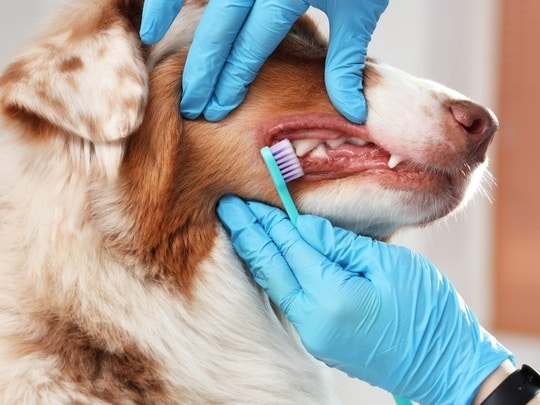
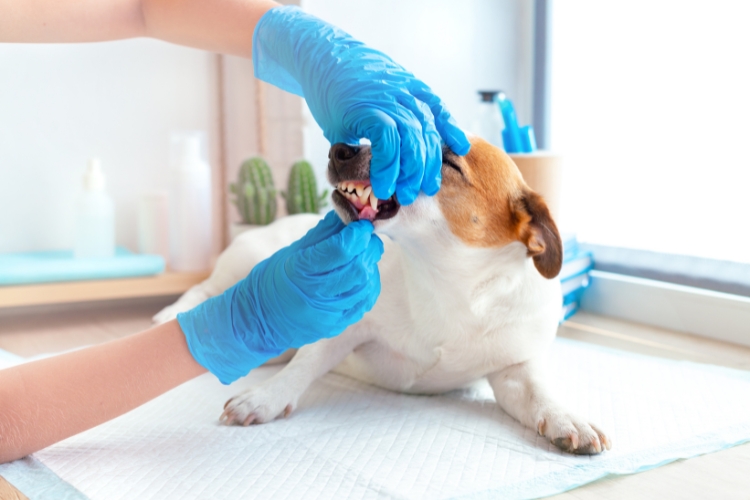
A veterinary examination is the first step in understanding why your pet is having trouble eating. During an oral evaluation, the veterinarian checks the teeth, gums, and mouth for visible concerns.
The evaluation may include:
- Checking for tooth damage
- Looking for gum irritation
- Assessing signs of discomfort
- Reviewing changes in eating habits
- Recommending dental imaging when needed
Some concerns may exist below the gum line and cannot be identified through a simple visual check. Dental X-rays may provide additional information about tooth roots and hidden areas.
If your pet shows changes during meals or seems uncomfortable while eating, it may be helpful to visit our veterinary hospital for guidance.
How Pet Dental Services Help Support Better Oral Health
Preventive oral care helps maintain healthier teeth and gums throughout your pet’s life. Regular dental evaluations allow veterinarians to monitor changes and recommend appropriate care based on your pet’s needs.
Broad River Animal Hospital provides pet dental services that focus on supporting oral health for dogs and cats. Depending on the condition of your pet’s mouth, care recommendations may include professional cleaning, treatment for damaged teeth, and guidance for maintaining dental hygiene at home.
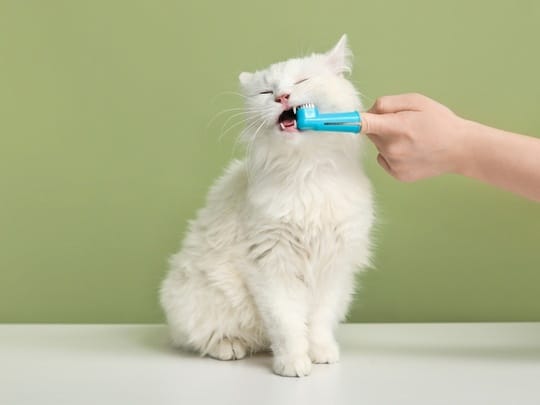
Pet parents can also support oral health between visits by:
- Scheduling routine veterinary examinations
- Using veterinarian-approved dental products
- Monitoring changes in eating habits
- Providing safe chewing options
- Following recommended home care routines
Home care is valuable, but professional evaluations are still important because some oral concerns may not be visible.
When Should You Schedule a Veterinary Examination?
Some minor changes in eating behavior may be temporary, but ongoing signs should be checked by a veterinarian.
Schedule an appointment if your pet:
- Avoids food or eats much less than normal
- Drops food frequently
- Shows discomfort while chewing
- Has ongoing bad breath
- Has swelling around the face or mouth
- Shows bleeding from the gums or mouth
Seek prompt veterinary care if your pet stops eating completely, appears severely uncomfortable, or shows other signs of illness.
Early attention can help identify the cause of changes in eating and determine the right care approach for your pet.
Help Your Pet Enjoy Comfortable Mealtimes Again
Your pet’s relationship with food depends on having a healthy and comfortable mouth. Eating should be a normal part of daily life, not an activity your pet avoids because of discomfort.
Ignoring dental problems can allow oral concerns to progress and may affect your pet’s ability to eat comfortably. Regular veterinary visits, preventive care, and professional dental guidance can help protect your pet’s oral health at every stage of life.
If you notice signs of dental problems affecting your pet’s eating habits, Broad River Animal Hospital can help evaluate the concern and provide appropriate recommendations. With reliable pet dental services, pet parents in Weaverville can receive guidance to support healthier teeth, improved comfort, and better mealtime experiences for their dogs and cats.
FAQs
Can dental problems cause my pet to stop eating?
Yes, mouth discomfort may make eating painful and reduce a pet’s interest in food. However, appetite changes can have many causes, so a veterinary examination is important to identify the cause.
Why does my pet drop food while eating?
Dropping food may happen when a pet has difficulty chewing, picking up food, or using certain teeth. A veterinarian can check for possible oral concerns.
Are older pets more likely to have dental concerns?
Age can increase the chance of oral changes, but pets of all ages can experience dental issues. Regular examinations help monitor oral health throughout life.
How can I prevent dental issues in my pet?
Routine veterinary visits, appropriate dental products, and home care recommended by your veterinarian can help support your pet’s oral health.
Can I treat my pet’s mouth pain at home?
Home care can support prevention, but pets with discomfort, dental damage, or a possible infection should be evaluated by a veterinarian. Do not give human medications unless specifically instructed.
What happens during a pet dental examination?
A dental examination may include checking the teeth and gums, reviewing symptoms, and recommending care based on your pet’s individual oral health needs.