


A healthy mouth is an important part of your pet’s overall well-being. Unfortunately, dental disease is one of the most common health issues affecting dogs and cats, and it often develops without obvious signs in the early stages. By the time pets show symptoms such as bad breath, difficulty eating, or swollen gums, significant damage may have already occurred.
Pet dental care is about much more than keeping your pet’s teeth clean. Regular dental care helps prevent painful oral conditions, supports healthy organ function, and contributes to a longer, happier life. With a combination of at-home dental hygiene and routine veterinary examinations, many dental problems can be prevented before they become serious.
Understanding the importance of oral health allows pet owners to make informed decisions that benefit their companions throughout every stage of life. If you’re searching for trusted veterinary dental services, your local veterinary team can provide personalized recommendations to help protect your pet’s smile. This guide is especially designed for pet owners in Weaverville.
Why Dental Health Is Important for Pets
Your pet uses their mouth every day to eat, play, carry toys, and interact with family members. Healthy teeth and gums make these activities comfortable, while untreated dental disease can cause chronic pain and affect overall health.
Dental disease often begins with plaque, a sticky film of bacteria that forms on the teeth after eating. If plaque is not removed through regular brushing or professional cleaning, it hardens into tartar. Over time, bacteria spread beneath the gumline, leading to inflammation, infection, and damage to surrounding tissues.
Without treatment, these infections may extend beyond the mouth and impact other organs.
The Stages of Dental Disease
Dental disease typically progresses through several stages.
Plaque Formation
Plaque begins forming within hours after eating. Regular brushing helps remove it before it hardens.
Tartar Buildup
Once plaque mineralizes, it becomes tartar, which cannot be removed with brushing alone. Professional dental cleaning is necessary to eliminate hardened deposits.
Gingivitis
Inflamed gums become red, swollen, and may bleed easily. Fortunately, gingivitis is often reversible with appropriate treatment.
Periodontal Disease
As bacteria continue spreading below the gumline, they destroy supporting tissues and bone. This stage may lead to loose teeth, chronic pain, and tooth loss.
Early intervention helps stop this progression before permanent damage occurs.
Serious Health Problems Linked to Dental Disease
Many pet owners assume dental disease affects only the mouth. However, oral bacteria can enter the bloodstream and travel throughout the body.
This increases the risk of complications involving several major organs.
Heart Disease
Bacteria from infected gums may contribute to inflammation affecting the heart. Although not every pet develops heart complications, maintaining good oral health helps reduce unnecessary bacterial exposure.
Kidney Disease
The kidneys filter waste products from the bloodstream. Persistent bacterial infections place additional stress on these organs and may worsen existing kidney conditions.
Liver Problems
The liver also filters harmful substances from the blood. Chronic oral infections increase the body’s inflammatory burden, making liver function more challenging.
Respiratory Issues
Some pets inhale oral bacteria into the lungs, increasing the risk of respiratory infections, particularly in older animals.
Chronic Pain
Dental pain often develops gradually, causing pets to adapt rather than show obvious discomfort. Even mild chewing pain can significantly affect quality of life.
Signs Your Pet May Have Dental Disease
Pets frequently hide pain, making routine oral examinations extremely important.
Watch for signs such as:
- Persistent bad breath
- Yellow or brown tartar
- Red or swollen gums
- Bleeding while chewing
- Loose teeth
- Dropping food
- Difficulty eating
- Pawing at the mouth
- Excessive drooling
- Reduced appetite
If you notice any of these symptoms, schedule a veterinary evaluation promptly.
The Importance of Professional Dental Exams
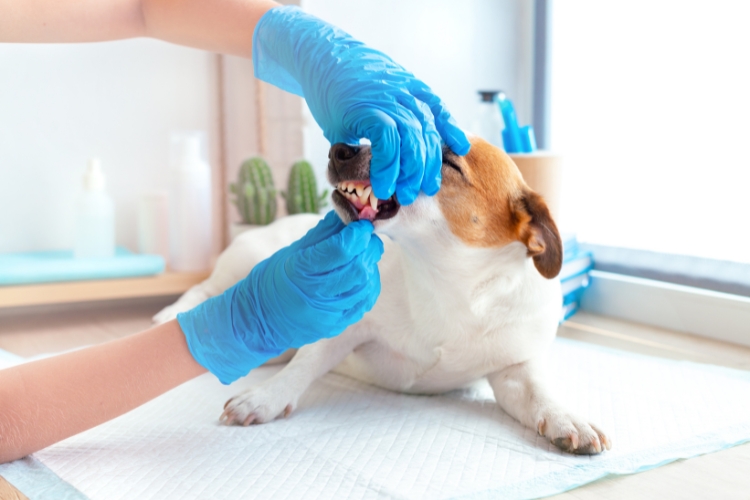
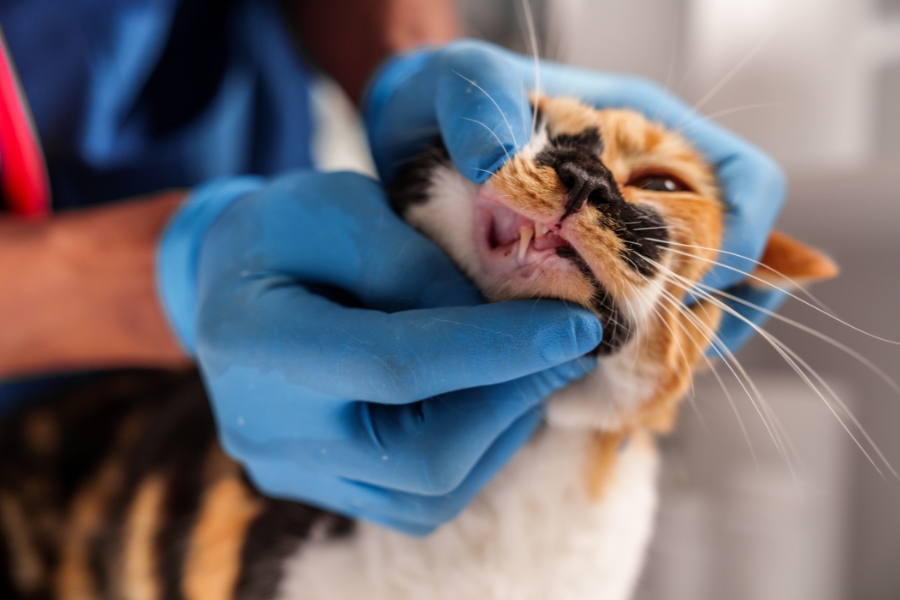
Routine wellness visits allow veterinarians to examine your pet’s mouth before visible symptoms become severe.
During a dental examination, your veterinarian may evaluate:
- Teeth alignment
- Gum health
- Tartar accumulation
- Tooth mobility
- Oral masses
- Jaw condition
- Signs of pain
Because many dental problems develop below the gumline, professional examinations remain essential even when your pet’s teeth appear healthy.
What Happens During a Professional Dental Cleaning?
Professional dental cleanings provide far more than cosmetic improvements.
The procedure typically includes:
- A complete oral examination
- General anesthesia for safety and comfort
- Dental X-rays when necessary
- Removal of plaque and tartar
- Cleaning beneath the gumline
- Tooth polishing
- Evaluation for damaged teeth
- Treatment recommendations if needed
These procedures help identify hidden dental problems before they become painful.
Daily Dental Care at Home
Home care complements professional cleanings and slows plaque accumulation.
Healthy habits include:
Brush Your Pet’s Teeth
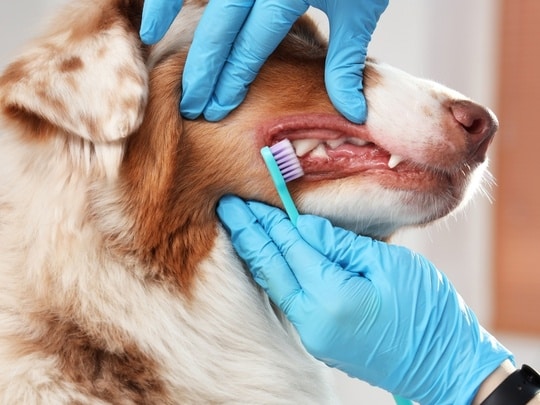
Daily brushing remains the most effective way to reduce plaque.
Use:
- Pet-safe toothpaste
- A soft toothbrush or finger brush
- Positive reinforcement
Never use human toothpaste because it contains ingredients that may be harmful to pets.
Offer Dental Chews
Veterinarian-approved dental chews help reduce plaque while satisfying your pet’s natural chewing instincts.
Choose products specifically designed for dental health.
Feed an Appropriate Diet
Some prescription and dental-support diets help reduce plaque accumulation.
Ask your veterinarian whether your pet could benefit from a specialized diet.
Provide Safe Chew Toys
Chew toys designed for dental health encourage healthy chewing while supporting oral hygiene.
Avoid extremely hard objects that could fracture teeth.
Dental Care for Puppies and Kittens
Healthy dental habits should begin early.
Young pets benefit from:
- Early oral examinations
- Positive brushing experiences
- Monitoring baby tooth development
- Evaluating bite alignment
Introducing dental routines during puppyhood or kittenhood makes lifelong dental care much easier.
Senior Pets Need Extra Dental Attention
Older pets face an increased risk of advanced dental disease.
Routine dental evaluations become even more important because aging pets may also have underlying medical conditions that require individualized treatment planning.
Prompt dental treatment can improve comfort, appetite, and overall quality of life.
Build a Partnership With Broad River Animal Hospital
Maintaining your pet’s oral health is a lifelong commitment, and having a trusted veterinary team makes all the difference. At Broad River Animal Hospital, we provide comprehensive dental examinations, professional cleanings, and personalized recommendations to help prevent dental disease before it affects your pet’s overall health.
By combining routine veterinary care with consistent home dental hygiene, you can give your pet the best opportunity for a healthier, more comfortable life.
Healthy teeth and gums do far more than create a bright smile—they protect your pet’s entire body. Routine dental exams, professional cleanings, daily brushing, and early treatment all play an essential role in preventing painful oral disease and reducing the risk of serious health complications.
Investing in pet dental care today can help your pet enjoy better comfort, improved overall health, and a higher quality of life for years to come. If you’re in Weaverville and looking for pet dental care near you, schedule an appointment with Broad River Animal Hospital. Our veterinary team is committed to providing compassionate, high-quality dental care that supports your pet’s lifelong health.
Frequently Asked Questions
- How often should my pet have a professional dental cleaning?
Most pets benefit from an annual dental examination. Your veterinarian will recommend professional cleanings based on your pet’s age, breed, and oral health.
- What are the early signs of dental disease in pets?
Common signs include bad breath, red or swollen gums, tartar buildup, difficulty chewing, drooling, bleeding gums, and loose teeth.
- Can dental disease affect my pet’s overall health?
Yes. Untreated dental disease can allow bacteria to enter the bloodstream, potentially affecting the heart, kidneys, liver, and other organs.
- How can I care for my pet’s teeth at home?
Brush your pet’s teeth daily with pet-safe toothpaste, provide approved dental chews, offer appropriate chew toys, and schedule regular veterinary dental checkups.
- Why choose Broad River Animal Hospital for my pet’s dental care?
Broad River Animal Hospital offers comprehensive dental exams, professional cleanings, advanced diagnostics, and personalized treatment plans to help keep your pet’s teeth and gums healthy throughout every stage of life.
- How do I schedule a dental appointment for my pet?
Contact Broad River Animal Hospital to schedule a dental evaluation. Their experienced veterinary team will assess your pet’s oral health and recommend the best care plan to maintain a healthy smile.