

Dental disease is one of the most common health concerns affecting dogs and cats, yet many pet owners overlook the early warning signs. Because pets often hide discomfort, oral health problems can progress before they become obvious. Over time, plaque, tartar, gum inflammation, and infection can make everyday activities much harder for your companion.
Fortunately, regular dental evaluations and proper home care can help protect your pet’s mouth and overall well-being. Understanding how oral disease affects daily life can also help you recognize problems sooner and seek appropriate veterinary attention. For pet owners in Weaverville, maintaining good dental health is an important part of keeping dogs and cats comfortable and active.
What Is Dental Disease in Pets?
Dental disease refers to problems that affect the teeth, gums, and other structures inside the mouth. Periodontal disease is especially common. It often begins when bacteria combine with food particles and form a sticky film called plaque on the teeth.
If plaque remains on the teeth, it can harden into tartar. As tartar accumulates, bacteria can irritate the gums and cause inflammation. This condition, known as gingivitis, may eventually progress into more advanced periodontal disease.
As the disease worsens, bacteria can damage the tissues and bone supporting the teeth. Consequently, affected teeth may become loose or painful. In severe cases, infection can develop around the tooth roots and create significant discomfort.
How Dental Disease Can Affect Your Pet’s Comfort
Your pet depends on a healthy mouth for many everyday activities. Therefore, dental problems can affect far more than just the teeth.
1. Eating May Become Uncomfortable
One of the most noticeable effects of dental disease is difficulty eating. A pet with sore gums, damaged teeth, or an oral infection may hesitate before eating or chew more slowly than usual.
Some pets may drop food while chewing, avoid hard kibble, or prefer softer foods. Others may chew only on one side of the mouth. Although these changes can seem minor, they may indicate that eating has become uncomfortable.
Additionally, pets experiencing oral pain may lose interest in meals. If this continues, inadequate food intake can affect energy levels and overall health.
2. Chewing Can Become Painful
Healthy teeth allow pets to chew toys, treats, and food comfortably. However, inflamed gums or damaged teeth can make chewing painful.
As a result, your pet may stop playing with favorite chew toys. They may also avoid treats that require more chewing. You might notice that your dog or cat picks up an item and quickly drops it.
Therefore, changes in chewing habits deserve attention. Your pet may not be refusing a toy because of boredom. Instead, oral discomfort could be the reason.
3. Bad Breath May Become Persistent
Occasional unpleasant breath can happen, particularly after eating. However, persistent bad breath often signals an underlying oral health problem.
Bacteria associated with plaque and periodontal disease can produce strong odors. Unfortunately, some owners become accustomed to the smell and assume it is normal for pets.
It is important to remember that chronic bad breath should not simply be considered part of having a dog or cat. A veterinary examination can help determine whether dental disease is responsible.
4. Your Pet May Become Less Playful
Pain can influence your pet’s behavior. When an animal feels uncomfortable, it may have less interest in activities it normally enjoys.
For example, a dog that once loved playing fetch may become reluctant to pick up a ball. Likewise, a cat may stop chewing on toys or interacting with objects that require mouth movement.
Moreover, ongoing discomfort can affect mood. Your pet may become quieter, less social, or more irritable. These behavioral changes can be easy to overlook, especially when they develop gradually.
5. Grooming Habits Can Change
Cats spend considerable time grooming themselves. Dental discomfort can sometimes interfere with normal grooming behavior.
A cat with oral pain may groom less frequently or appear less interested in maintaining its coat. Consequently, the coat may begin to look less neat than usual.
Dogs can also show changes in behavior when their mouths hurt. They may rub their face against furniture, paw at their mouth, or resist having their face touched.
Signs Your Pet May Have Dental Problems
Pets do not always show obvious signs of oral pain. However, several changes may suggest a dental problem.
Watch for:
- Persistent bad breath
- Red, swollen, or bleeding gums
- Yellow or brown tartar on the teeth
- Loose or damaged teeth
- Difficulty chewing
- Dropping food
- Reduced appetite
- Excessive drooling
- Pawing at the mouth
- Facial swelling
- Reluctance to play with chew toys
- Changes in grooming behavior
- Irritability or unusual withdrawal
Not every sign means your pet has advanced dental disease. Nevertheless, noticeable changes in eating, chewing, or behavior warrant a professional evaluation.
Why Pets May Hide Dental Pain
One reason dental disease often goes unnoticed is that pets naturally tend to hide discomfort. Wild animals cannot always afford to appear vulnerable, and domestic pets can retain similar behavioral instincts.
Therefore, your dog or cat may continue eating and interacting with the family even when dental disease is developing. This does not necessarily mean the mouth feels comfortable.
In fact, some pets continue their normal routines despite significant oral problems. That is why routine veterinary examinations play such an important role. A professional can look beyond the signs that owners can easily see at home.
The Importance of Professional Dental Examinations
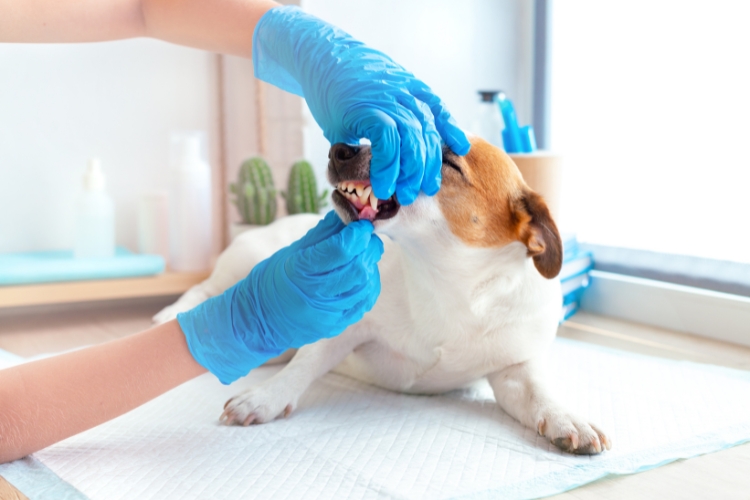
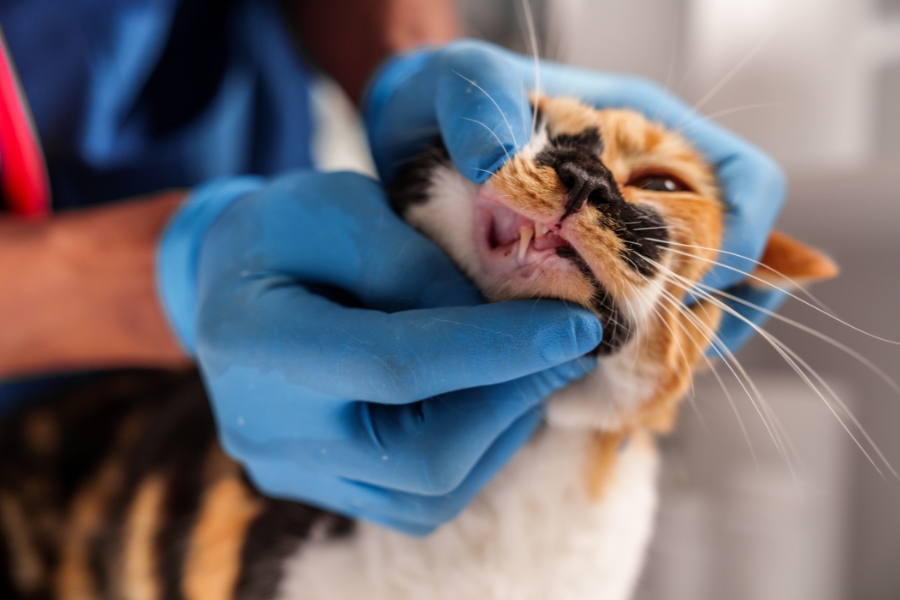
Routine oral examinations allow your veterinary team to evaluate your pet’s teeth and gums and identify potential problems early.
During an examination, the veterinarian can look for plaque, tartar, gum inflammation, damaged teeth, loose teeth, and other abnormalities. Depending on the findings, the veterinary team may recommend additional dental treatment.
Professional dental procedures can address problems that regular brushing alone cannot remove. In addition, veterinary dental care allows the team to evaluate areas beneath the gumline, where significant disease may develop without obvious external signs.
Early attention can also help prevent minor oral problems from becoming more complicated. Therefore, regular examinations should form part of your pet’s preventive healthcare routine.
How You Can Support Your Pet’s Oral Health at Home
Veterinary care is important, but daily habits also contribute to a healthier mouth. Your veterinary team can recommend an appropriate home dental routine based on your pet’s age, health, and individual needs.
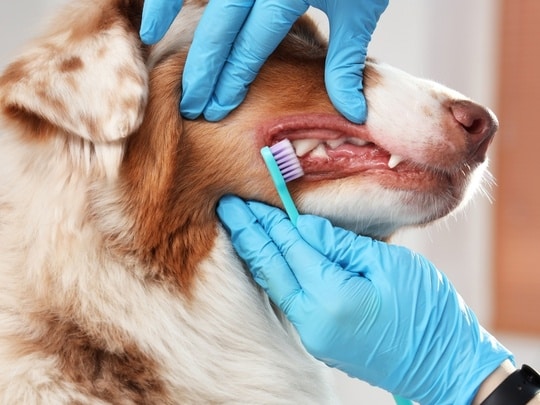
Brushing your pet’s teeth regularly can help reduce plaque buildup. However, introduce brushing gradually so your companion has time to become comfortable with the process.
Use products specifically designed for pets. Human toothpaste is not appropriate because some ingredients can be harmful when swallowed.
You can also ask your veterinarian about dental diets, treats, chews, and other products that may support oral hygiene. However, these products should complement—not replace—professional examinations.
Most importantly, remain consistent. A simple daily routine can make oral hygiene easier to maintain over time.
How Dental Health Supports a Better Daily Life
A healthy mouth can make everyday experiences more comfortable for your pet. When the teeth and gums remain healthy, your companion can eat, chew, groom, play, and interact without unnecessary oral discomfort.
Furthermore, addressing dental disease can support overall wellness. Severe oral disease involves inflammation and infection, so preventing or treating oral problems is an important part of responsible pet ownership.
Your pet cannot tell you when a tooth hurts. Instead, you must watch for subtle changes and schedule regular veterinary examinations. By paying attention to oral health, you can help your companion enjoy a more comfortable routine.
When Should You Contact Your Veterinarian?
Do not wait for severe symptoms before discussing your pet’s dental health with a veterinarian. Schedule an evaluation if you notice persistent bad breath, changes in eating habits, bleeding gums, excessive drooling, loose teeth, facial swelling, or unusual behavior.
Likewise, routine dental evaluations are valuable even when your pet appears healthy. Early detection gives your veterinary team an opportunity to address developing problems before they significantly affect comfort.
If your pet suddenly stops eating, develops facial swelling, shows significant pain, or experiences other concerning symptoms, contact your veterinary team promptly for guidance.
Choose Consistent Dental Care for a Healthier, Happier Pet
Good pet dental care is about more than keeping your companion’s teeth clean. It helps protect comfort, eating habits, playtime, grooming, and everyday quality of life. Because dental disease can progress quietly, regular examinations and consistent home care are essential.
Broad River Animal Hospital can help you understand your pet’s oral health needs and develop an appropriate approach to maintaining a healthy mouth. With professional guidance and daily attention at home, you can take meaningful steps toward protecting your companion’s comfort.
If you’re in Weaverville and looking for a pet dental care near you, schedule an appointment with Broad River Animal Hospital. Our veterinary team can evaluate your pet’s oral health, identify potential concerns, and recommend appropriate dental care to help your companion stay comfortable and healthy.
Frequently Asked Questions
- What are the common signs of dental disease in pets?
Common signs include bad breath, tartar buildup, red or swollen gums, difficulty chewing, excessive drooling, loose teeth, reduced appetite, and changes in behavior. Some pets may hide oral discomfort, so regular veterinary examinations are important.
- Can dental disease affect my pet’s daily activities?
Yes. Dental disease can make eating, chewing, playing, grooming, and interacting with family members uncomfortable. As oral pain progresses, your pet may become less active or show changes in normal habits.
- How can I help maintain my pet’s dental health at home?
Regular tooth brushing with pet-safe toothpaste can help control plaque. You can also ask your veterinarian about appropriate dental treats, diets, and chews. However, home care should complement professional dental examinations.
- When should I take my pet for a dental examination?
Schedule a dental examination if you notice persistent bad breath, bleeding gums, tartar, difficulty eating, loose teeth, excessive drooling, or changes in behavior. Routine examinations can also help identify dental problems before they become more serious.
- How can Broad River Animal Hospital help with my pet’s dental health?
Broad River Animal Hospital provides veterinary dental services designed to identify and address oral health concerns. The veterinary team can evaluate your pet’s teeth and gums and recommend appropriate care based on their individual needs.
- Why choose Broad River Animal Hospital for pet dental services?
Broad River Animal Hospital focuses on comprehensive veterinary care, including dental health. A professional evaluation can help identify hidden oral problems and support your pet’s comfort, health, and quality of life through appropriate dental treatment and preventive guidance.