

Your pet’s smile is more important than you might think. Healthy teeth and gums do more than prevent bad breath; they play a vital role in your pet’s overall health. However, many pet owners overlook dental care until problems arise. By taking a proactive approach, you can prevent discomfort, disease, and costly treatments.
Dental health issues can develop quietly. Plaque buildup, gum inflammation, and infections often go unnoticed until they become severe. Therefore, understanding the basics of dental hygiene is essential for every pet owner. This blog is especially for pet owners in Weaverville, who want to protect their pet’s oral health and overall well-being.
Why Dental Health Matters for Pets
Dental care is not just about maintaining a clean mouth. It directly impacts your pet’s overall health. When bacteria build up in the mouth, they can enter the bloodstream and affect vital organs such as the heart, liver, and kidneys.
Moreover, untreated dental issues can cause pain, difficulty eating, and behavioral changes. Pets may become less active or avoid food altogether. As a result, their quality of life can decline significantly.
By prioritizing dental hygiene, you can prevent these complications and ensure your pet stays happy and healthy.
Common Dental Problems in Pets
Understanding common dental issues helps you recognize early warning signs and seek timely care.
Plaque and Tartar Buildup
Plaque forms when bacteria combine with food particles. Over time, it hardens into tartar, which cannot be removed without professional cleaning.
Gum Disease (Periodontal Disease)
This is one of the most common dental problems in pets. It begins with inflammation of the gums and can progress to tooth loss if untreated.
Tooth Decay and Damage
Broken or decayed teeth can cause significant pain and increase the risk of infection.
Bad Breath (Halitosis)
While occasional bad breath is normal, persistent odor may indicate an underlying issue.
Recognizing these problems early allows for quicker intervention and better outcomes.
Signs Your Pet Needs Dental Attention
Pets often hide discomfort, so it is important to watch for subtle signs.
Look for:
- Bad breath
- Red or swollen gums
- Difficulty eating or chewing
- Excessive drooling
- Pawing at the mouth
- Loose or missing teeth
If you notice any of these symptoms, consult your veterinarian promptly. Early care can prevent more serious complications.
Daily Dental Care Routine
Consistency is key when it comes to maintaining your pet’s oral health. Establishing a daily routine can significantly reduce the risk of dental disease.
Brushing Your Pet’s Teeth
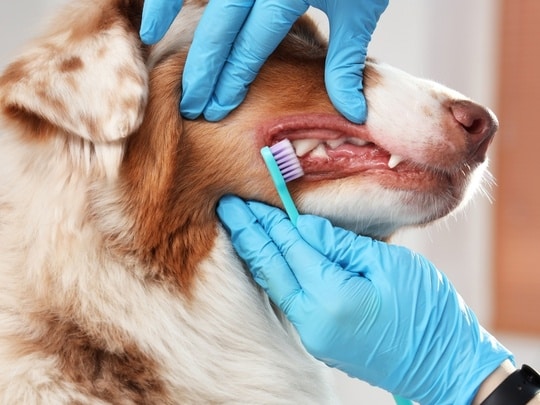
Brushing is one of the most effective ways to prevent plaque buildup. Use a pet-specific toothbrush and toothpaste, as human products can be harmful.
Start slowly and allow your pet to get used to the process. Gradually increase brushing time as they become more comfortable.
Dental Chews and Toys
Dental chews and toys help reduce plaque while keeping your pet engaged. However, they should not replace brushing but rather complement it.
Water Additives
Some products can be added to your pet’s water to help control bacteria and improve oral hygiene.
By combining these methods, you can create a comprehensive dental care routine.
Professional Dental Cleanings
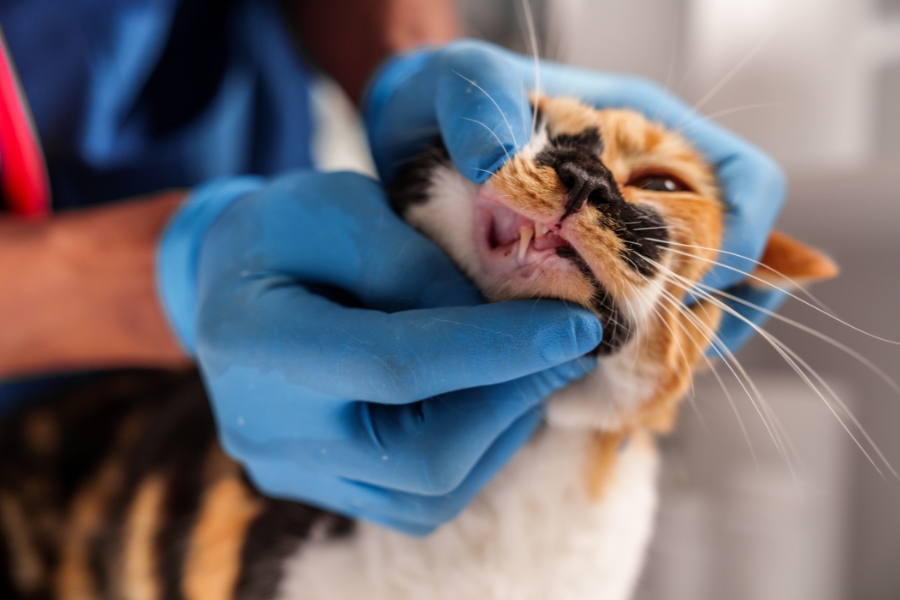
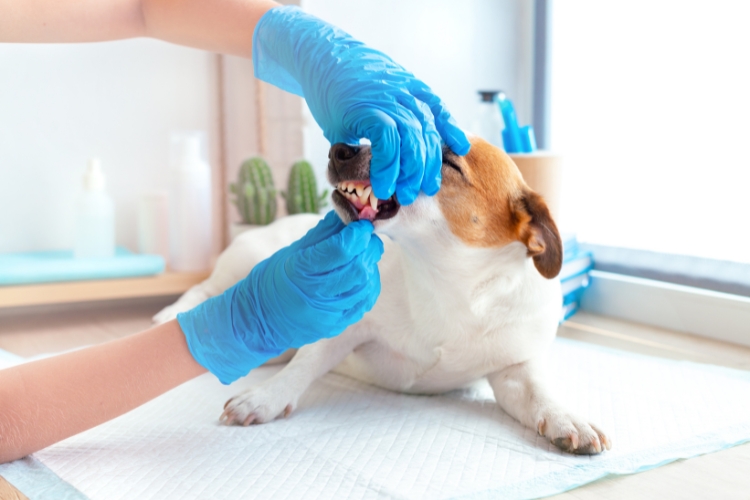
Even with regular at-home care, professional cleanings are necessary. Veterinarians use specialized tools to remove tartar and examine areas that are difficult to reach.
During a cleaning, your veterinarian may also take X-rays to assess the health of your pet’s teeth and gums. This helps identify hidden issues that may not be visible during a routine exam.
Regular cleanings not only improve oral health but also prevent long-term complications.
Nutrition and Its Impact on Dental Health
Diet plays a significant role in maintaining healthy teeth. Certain foods can contribute to plaque buildup, while others help reduce it.
Choose Quality Pet Food
High-quality pet food supports overall health, including dental health. Some formulas are specifically designed to promote cleaner teeth.
Avoid Sugary Treats
Sugary or sticky treats can increase the risk of dental problems. Instead, opt for healthier alternatives recommended by your veterinarian.
Provide Crunchy Options
Crunchy foods can help remove plaque from teeth. However, they should be part of a balanced diet.
Proper nutrition works hand in hand with dental care to keep your pet’s teeth strong.
Preventive Care Tips
Prevention is always better than treatment. By taking simple steps, you can protect your pet’s oral health.
- Schedule regular veterinary checkups
- Maintain a consistent brushing routine
- Provide dental-friendly toys and treats
- Monitor your pet’s oral health regularly
These habits help reduce the risk of serious dental issues and support long-term health.
The Importance of Pet Dental Care
Investing in pet dental care is essential for your pet’s overall well-being. It helps prevent pain, improves quality of life, and reduces the risk of systemic health problems.
Moreover, early intervention can save you from costly treatments in the future. By staying proactive, you can ensure your pet enjoys a healthy and comfortable life.
Choosing the Right Veterinary Partner
Selecting a trusted veterinary clinic is crucial for maintaining your pet’s dental health. Experienced professionals provide thorough exams, advanced cleanings, and personalized care.
Broad River Animal Hospital is dedicated to offering compassionate and comprehensive dental services. With a focus on prevention and early detection, the team works to keep your pet’s teeth clean and strong.
Dental health is a vital part of your pet’s overall care. By maintaining a consistent routine, providing proper nutrition, and scheduling regular checkups, you can prevent many common dental issues. As a result, your pet will enjoy a healthier, happier life.
If you’re in Weaverville and looking for pet dental care near you, schedule an appointment with Broad River Animal Hospital. Our veterinary team is committed to delivering expert dental services and personalized care to keep your pet smiling for years to come.
FAQs
1. Why is dental care important for pets?
Dental care helps prevent plaque buildup, gum disease, and infections that can affect your pet’s overall health, including vital organs.
2. How can I tell if my pet has dental problems?
Common signs include bad breath, swollen gums, difficulty eating, drooling, and pawing at the mouth.
3. How often should I brush my pet’s teeth?
Daily brushing is ideal. However, brushing a few times a week can still help maintain good oral hygiene.
4. Are professional dental cleanings necessary?
Yes, professional cleanings remove tartar and allow veterinarians to detect hidden dental issues early.
5. What foods help improve my pet’s dental health?
High-quality pet food and dental-specific diets can help reduce plaque buildup and support healthy teeth.
6. Can dental problems affect my pet’s overall health?
Yes, untreated dental issues can lead to infections that may spread to the heart, liver, and kidneys, impacting overall health.