


Every pet owner wants to enjoy as many happy, healthy years as possible with their furry companion. While treating illnesses is important, preventing health problems before they develop is even better. Building healthy habits from the beginning can reduce the risk of disease, improve your pet’s quality of life, and lower long-term veterinary expenses.
Preventative pet care starts with simple, consistent steps that support your pet throughout every stage of life. From routine wellness exams and vaccinations to proper nutrition and parasite prevention, these proactive measures help detect concerns early when treatment is often more effective.
If you’re looking for trusted veterinary guidance tailored to your community, choosing a local veterinary team that understands your pet’s unique needs is an excellent first step. Families in Weaverville, NC, can benefit from personalized preventive services designed to keep pets healthy year-round.
Why Early Prevention Matters
Many serious health conditions begin with subtle signs that are easy to overlook. Pets naturally hide pain or discomfort, making it difficult for owners to recognize problems before they become severe.
Preventive veterinary care helps identify:
- Early dental disease
- Weight-related health concerns
- Parasite infections
- Heart disease
- Kidney disease
- Diabetes
- Arthritis
- Skin and ear conditions
When veterinarians discover these issues during routine visits, they can recommend treatment before the condition progresses. As a result, pets often recover more quickly and experience fewer complications.
Schedule Routine Wellness Exams
Regular wellness examinations are the foundation of lifelong health.
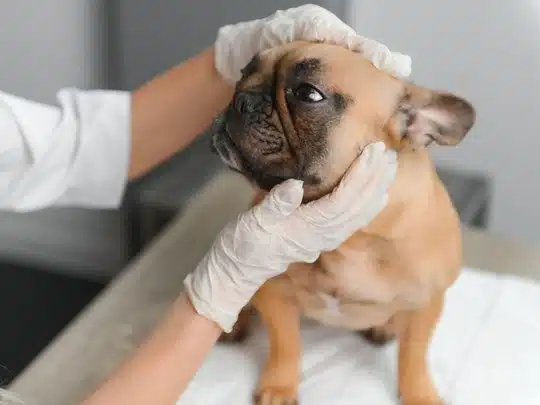
During these visits, your veterinarian performs a comprehensive physical examination that evaluates your pet from nose to tail. They also discuss lifestyle, nutrition, behavior, and any changes you’ve noticed at home.
A wellness exam may include:
- Checking eyes, ears, and mouth
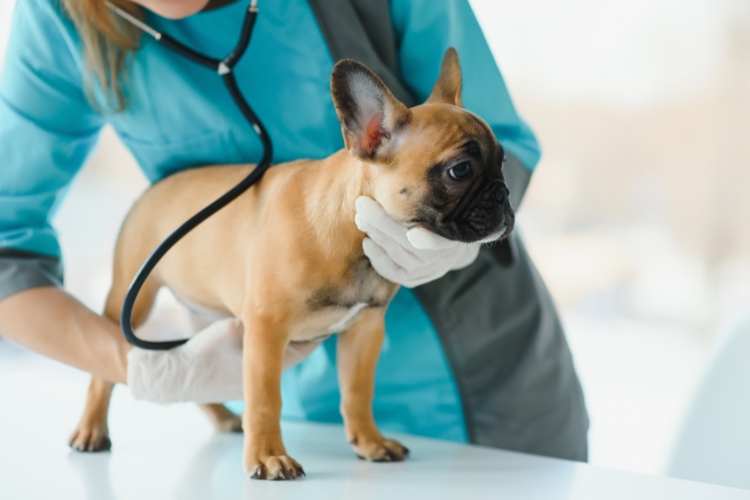
- Listening to the heart and lungs
- Examining joints and muscles
- Evaluating skin and coat condition
- Monitoring weight and body condition
- Feeling for abnormal lumps or swelling
- Reviewing medical history
These appointments create valuable health records that allow your veterinarian to compare changes over time and detect potential concerns early.
Keep Vaccinations Current
Vaccinations protect pets from dangerous and potentially life-threatening diseases. They also help reduce the spread of contagious illnesses within the community.
Core vaccines typically protect against diseases such as:
For Dogs
- Rabies
- Distemper
- Parvovirus
- Adenovirus
For Cats
- Rabies
- Feline panleukopenia
- Calicivirus
- Herpesvirus
Depending on your pet’s lifestyle, your veterinarian may also recommend additional vaccines for diseases such as Bordetella or Lyme disease.
Following the recommended vaccination schedule helps provide lasting protection throughout your pet’s life.
Prioritize Parasite Prevention
Parasites can affect pets year-round, even those that spend most of their time indoors.
Common parasites include:
- Fleas
- Ticks
- Heartworms
- Roundworms
- Hookworms
- Whipworms
Some parasites also pose health risks to people.
Routine parasite prevention protects your pet while reducing the chance of infestations in your home. Your veterinarian can recommend products based on your pet’s age, health, and lifestyle.
Regular fecal testing and heartworm screening also help identify hidden infections before they become serious.
Feed a Balanced Diet
Nutrition plays an important role in disease prevention.
Every pet has unique dietary needs based on age, breed, activity level, and existing medical conditions. Feeding a complete and balanced diet supports:
- Healthy growth
- Strong muscles
- Healthy skin and coat
- Proper digestion
- Immune function
- Healthy body weight
Avoid feeding excessive treats or table scraps, as they can contribute to obesity and nutritional imbalances.
If you’re unsure about the best food for your pet, your veterinarian can recommend an appropriate diet.
Maintain a Healthy Weight
Obesity is one of the most common preventable health problems in pets.
Excess weight increases the risk of:
- Arthritis
- Diabetes
- Heart disease
- Breathing problems
- Joint injuries
- Reduced mobility
Fortunately, maintaining a healthy weight is achievable with proper nutrition and regular exercise.
Daily walks, interactive toys, puzzle feeders, and active play sessions help pets stay physically and mentally stimulated while supporting overall wellness.
Practice Good Dental Care
Dental health affects much more than your pet’s teeth.
Without regular care, plaque and tartar can lead to:
- Gum disease
- Tooth loss
- Bad breath
- Pain while eating
- Bacterial infections
Over time, oral bacteria may even affect the heart, kidneys, and liver.
Healthy dental habits include:
- Daily tooth brushing
- Dental chews approved by your veterinarian
- Professional dental cleanings
- Routine oral examinations
Early dental care helps prevent painful oral disease and supports overall health.
Monitor Behavior Changes
Behavior often provides the earliest clues that something isn’t right.
Watch for changes such as:
- Reduced appetite
- Increased thirst
- Weight loss
- Difficulty walking
- Excessive scratching
- Hiding
- Increased sleeping
- Anxiety
- Aggression
Although these signs may seem minor, they can indicate underlying medical conditions.
Reporting changes promptly allows your veterinarian to investigate concerns before they worsen.
Routine Diagnostic Testing
Many illnesses develop silently without visible symptoms.
Routine screening tests can identify hidden health concerns before pets appear sick.
Depending on your pet’s age, your veterinarian may recommend:
- Blood work
- Urinalysis
- Fecal testing
- Heartworm testing
- Blood pressure monitoring
- Thyroid screening
These tests establish baseline health values while helping detect disease in its earliest stages.
Support Senior Pet Wellness
As pets age, their healthcare needs naturally change.
Senior pets benefit from more frequent wellness visits because they face a greater risk of developing chronic illnesses.
Older pets may require:
- More frequent blood testing
- Arthritis evaluations
- Vision and hearing assessments
- Nutritional adjustments
- Pain management
- Mobility support
Early intervention often allows senior pets to remain comfortable and active for many years.
Build Healthy Habits at Home
Veterinary visits are essential, but everyday care at home also makes a significant difference.
Simple daily habits include:
- Providing fresh water
- Offering balanced meals
- Encouraging daily exercise
- Grooming regularly
- Checking ears and paws
- Keeping vaccinations current
- Administering parasite preventatives
- Watching for unusual behavior
Small, consistent actions create lasting health benefits over your pet’s lifetime.
Partner With Your Veterinarian
Preventative pet care works best when pet owners and veterinarians work together. Routine communication allows your veterinary team to understand your pet’s changing needs and recommend personalized care throughout every stage of life.
Rather than waiting until illness develops, proactive healthcare helps pets stay healthier, happier, and more comfortable. Preventive care also gives owners greater peace of mind by reducing unexpected medical emergencies.
Every healthy habit you establish today contributes to your pet’s future well-being. Regular wellness exams, vaccinations, parasite prevention, balanced nutrition, dental care, exercise, and routine screenings all play an important role in helping pets enjoy longer, healthier lives.
Whether you have a playful puppy, a curious kitten, or a beloved senior companion, preventative pet care provides the foundation for lifelong health. If you’re seeking compassionate veterinary care tailored to your pet’s needs in Weaverville, NC, schedule an appointment with Broad River Animal Hospital.
Frequently Asked Questions
- What is preventative pet care?
Preventative pet care includes routine wellness exams, vaccinations, parasite prevention, dental care, proper nutrition, and regular health screenings. These services help identify potential health concerns early and support your pet’s long-term well-being.
- How often should my pet visit the veterinarian?
Most healthy adult pets should have a wellness exam once a year. Puppies, kittens, senior pets, and pets with ongoing medical conditions may need more frequent visits based on your veterinarian’s recommendations.
- Why is parasite prevention important throughout the year?
Fleas, ticks, heartworms, and intestinal parasites can affect pets in every season. Year-round parasite prevention helps protect your pet from illness and reduces the risk of bringing parasites into your home.
- What are the signs that my pet may need a wellness check?
Changes in appetite, weight, energy level, drinking habits, mobility, behavior, or bathroom routines can indicate an underlying health issue. Scheduling a veterinary exam as soon as you notice these changes can help ensure timely care.
- Why choose Broad River Animal Hospital for preventative pet care?
Broad River Animal Hospital offers personalized wellness plans, comprehensive preventive services, and compassionate care for pets of all ages. The experienced veterinary team focuses on early detection and proactive healthcare to help your pet live a healthier, happier life.
- How do I schedule a preventative care appointment for my pet?
Scheduling an appointment is easy. Contact Broad River Animal Hospital to book a wellness visit, discuss your pet’s healthcare needs, and receive customized recommendations to support lifelong health.