
Bringing a puppy home is an exciting experience, but many pet parents focus only on the early months and may not realize that their companion’s health needs continue to change as they grow. From vaccinations and nutrition to dental care, parasite prevention, and routine examinations, each life stage requires a different approach.
Preventive pet care helps identify health concerns early and supports lifelong wellness by adjusting care plans as pets move from puppyhood to adulthood.
At Broad River Animal Hospital, pet parents in Weaverville and surrounding areas receive guidance to understand these changes and provide the right support at every stage of their companion’s life.
Why Does Health Care Change as Your Puppy Grows?
A puppy’s body undergoes rapid development during its first year of life. Their immune system, bones, muscles, teeth, and behavior are still developing, so their healthcare needs differ from those of a mature animal.
During this stage, veterinary visits often focus on:
- Building protection against infectious diseases through recommended vaccinations
- Monitoring growth and development
- Establishing proper nutrition habits
- Preventing parasites
- Supporting healthy behavior and training routines
As maturity begins, the focus shifts from supporting growth to maintaining overall wellness and identifying early signs of age- or lifestyle-related concerns.
Puppy Preventive Care: Building a Healthy Foundation
Vaccinations and Immune Protection
Young pets require a series of vaccinations because their immune systems are still developing. These vaccines help protect against serious illnesses that can spread through contact with other animals, contaminated environments, or outdoor exposure.
A veterinarian may recommend vaccines based on factors such as:
- Age
- Lifestyle
- Environment
- Travel habits
- Exposure risks
Keeping vaccination schedules up to date is an important part of early health planning.
Nutrition and Healthy Growth
Proper nutrition during puppyhood supports bone development, muscle growth, and energy needs. Puppies require diets that match their growth stage because their nutritional requirements differ from adult animals.
Pet parents should monitor:
- Weight changes
- Eating habits
- Body condition
- Activity levels
Rapid weight gain or poor growth may require a discussion with a veterinarian to determine whether dietary adjustments are needed.
Parasite Prevention
Parasites can affect young animals and may lead to health problems if not managed. Preventive plans may include protection against common parasites such as fleas, ticks, intestinal worms, and heartworms.
Regular parasite prevention is not only important for comfort but also for reducing the risk of certain diseases.
How Pet Preventative Care Changes During Adulthood
As a puppy becomes an adult, healthcare goals change. Instead of focusing mainly on development, adult care emphasizes maintaining wellness, preventing disease, and detecting subtle changes before they become serious concerns.
Adult wellness care may include:
- Routine physical examinations
- Vaccine updates based on individual needs
- Dental evaluations
- Weight management discussions
- Parasite prevention reviews
- Lifestyle and nutrition assessments
Even when an adult animal appears healthy, routine examinations allow veterinarians to evaluate changes that may not be noticeable at home.
Common Health Changes Pet Parents Should Watch For
Adult animals may experience changes related to activity levels, metabolism, dental health, and body condition. Some changes are normal with aging, while others may indicate an underlying concern.
Pet parents should schedule a veterinary examination if they notice:
- Changes in appetite or drinking habits
- Sudden weight loss or weight gain
- Reduced energy
- Difficulty walking, climbing, or exercising
- Changes in bathroom habits
- Persistent coughing, vomiting, or diarrhea
- Unusual skin or coat changes
These signs can have several possible causes, so a veterinary evaluation is important before assuming a cause.
Dental Care Becomes More Important Over Time
Dental health is often overlooked because pets may continue eating even when experiencing oral discomfort. Over time, plaque and tartar buildup can affect the gums and teeth.
A preventive dental plan may include:
- Regular oral examinations
- At-home dental routines
- Professional cleanings when recommended
Starting dental care early can help create healthier habits that continue into adulthood.
How Lifestyle Affects Adult Health Needs
Every pet’s healthcare plan can change based on daily activities and environment. An active animal that spends time outdoors may face different risks than one that stays mostly indoors.
Factors that influence preventive recommendations include:
- Exercise routine
- Diet
- Weight
- Exposure to other animals
- Travel or boarding
- Existing health concerns
Understanding these factors helps veterinarians create a care approach that supports long-term wellness. If you have questions about changes in health needs as your companion grows, you can visit our veterinary hospital for guidance on maintaining proper preventive care.
The Role of Regular Veterinary Examinations Throughout Life
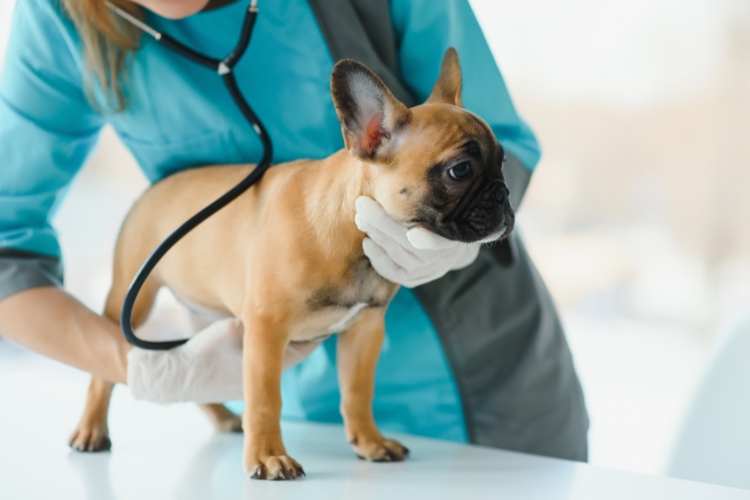
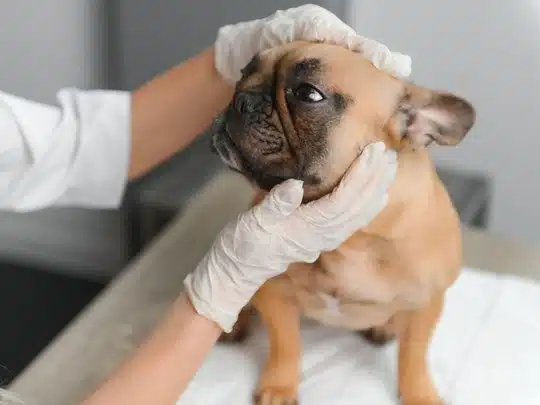
Regular checkups are not only for times when an animal appears sick. Wellness visits provide an opportunity to review changes in health, discuss concerns, and adjust preventive recommendations as life stages change.
During an examination, a veterinarian may evaluate:
- Overall body condition
- Heart and lung function
- Skin and coat health
- Mobility
- Dental condition
- Lifestyle risks
Early detection can allow health concerns to be addressed before they become more complicated.
Supporting Lifelong Wellness Through Every Life Stage
A puppy’s first year creates the foundation for future health, but care should continue as they become adults. Preventive planning changes with age because nutritional needs, activity levels, disease risks, and wellness goals vary throughout life.
Consistent preventive care for pets gives pet parents the opportunity to stay ahead of changing health needs and make informed decisions at each stage. Whether you have a young puppy or a mature companion, regular veterinary guidance can help support a healthier and more comfortable life.
At Broad River Animal Hospital, pet parents in Weaverville can receive ongoing support for every stage of their companion’s journey. From early puppy visits to adult wellness planning, a proactive approach helps identify changes, maintain healthy routines, and provide the right care when it matters most.
Frequently Asked Questions
When should a puppy start regular veterinary visits?
Puppies should begin veterinary visits early after joining their new family. Early appointments help establish vaccination schedules, monitor development, discuss nutrition, and create a preventive health plan.
How often should adult pets have wellness examinations?
Many adult pets benefit from yearly wellness examinations, although some may require more frequent visits depending on age, lifestyle, or health concerns. A veterinarian can recommend the appropriate schedule.
Does preventive care change as a pet gets older?
Yes. Health needs change throughout life. Younger pets often require support for growth and disease prevention, while adults may need more focus on weight, dental health, lifestyle risks, and early detection.
What signs mean my pet may need a veterinary checkup?
Changes in appetite, energy, weight, movement, bowel or bladder habits, or behavior may indicate a need for evaluation. Some changes may be minor, while others may require timely veterinary attention.
Is dental care important for adult pets?
Yes. Dental problems can develop gradually and may not always be obvious. Regular oral evaluations and preventive dental care can help maintain comfort and overall health.
Can a healthy-looking pet still need routine care?
Yes. Some health concerns may develop without visible signs in the early stages. Regular examinations help veterinarians identify subtle changes and provide recommendations based on current needs.