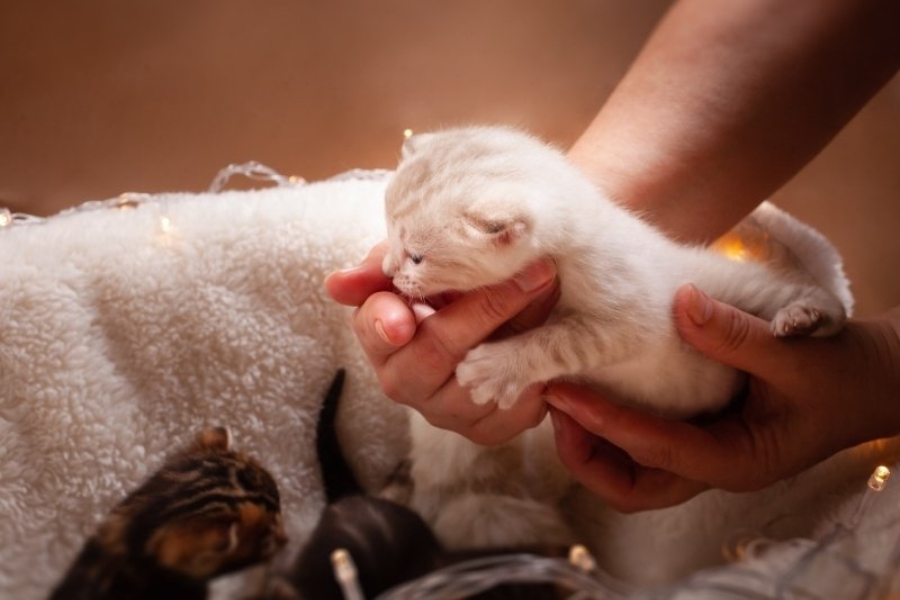


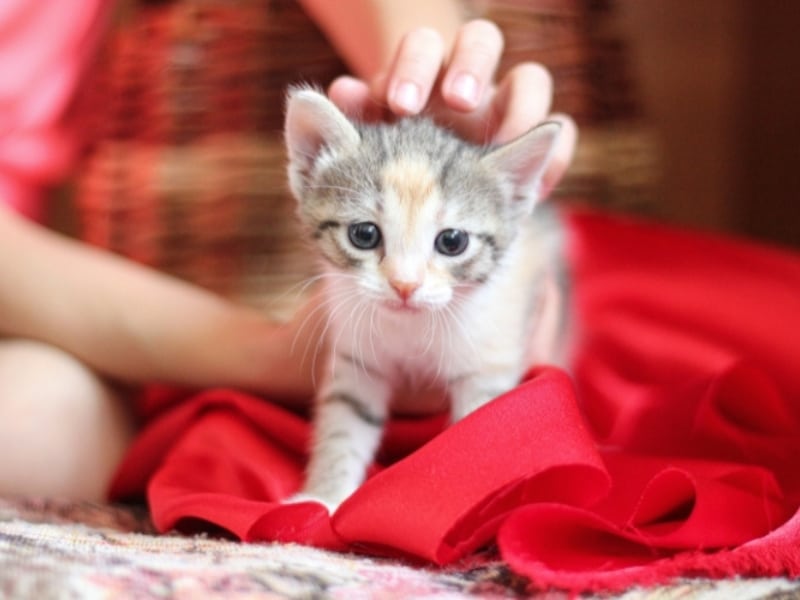
Bringing a kitten home is an exciting experience filled with playful moments, new discoveries, and plenty of cuddles. However, the first year also creates an important foundation for lifelong health. Young cats develop quickly, so the food they eat, preventive care they receive, habits they learn, and environment they live in can all influence their future well-being.
New cat parents may have questions about vaccinations, nutrition, parasite prevention, dental health, behavior, and routine veterinary visits. Fortunately, establishing healthy habits early can make these responsibilities easier to manage. With consistent attention and professional guidance, you can help your kitten grow into a healthy, confident adult cat. For families welcoming a new feline companion, this first-year guide provides practical information for Weaverville pet owners.
What Does Kitten Care Involve?
Kitten care involves supporting a young cat’s physical health, nutrition, behavior, safety, and development during the first year of life. Because kittens grow rapidly, their needs can change within just a few weeks.
A young kitten requires more than food and affection. Regular veterinary examinations, vaccinations, parasite prevention, appropriate nutrition, safe socialization, and dental attention all play important roles.
Therefore, new cat parents should establish a routine early. A predictable schedule can help your kitten feel secure while making it easier for you to monitor changes in health or behavior.
1. Schedule an Early Veterinary Examination
One of the first steps after bringing a kitten home should be scheduling a veterinary examination. Even when your new companion appears healthy, a professional assessment can identify concerns that may not be obvious.
During an initial visit, your veterinarian can assess your kitten’s general health, body condition, eyes, ears, skin, heart, lungs, and mouth. The veterinary team can also discuss vaccinations, parasite prevention, nutrition, and future wellness visits.
Additionally, bring any available medical or adoption records to the appointment. These details can help your veterinarian understand which preventive treatments your kitten has already received.
2. Follow the Recommended Vaccination Schedule
Vaccinations help protect kittens from several serious infectious diseases. Young cats receive vaccines according to an age-appropriate schedule because their developing immune systems need continued protection during the early months of life.
Your veterinarian can recommend the appropriate vaccines and timing based on your kitten’s age, health, lifestyle, and potential exposure risks.
Do not skip scheduled booster appointments simply because your kitten seems healthy. Preventive protection works best when you follow the veterinary team’s recommended schedule.
Furthermore, discuss your kitten’s future lifestyle with your veterinarian. An indoor-only cat and a cat that may spend time outdoors can have different healthcare considerations.
3. Choose the Right Nutrition
Nutrition plays a major role in healthy growth. Kittens need food formulated specifically for their developmental stage because they require appropriate levels of calories, protein, fats, vitamins, and minerals.
Choose a complete and balanced kitten diet recommended for growth. Follow feeding instructions carefully, but also monitor your kitten’s body condition.
Because kittens grow quickly, their nutritional needs can change as they mature. Your veterinarian can help you determine appropriate portions and when it may be time to transition toward an adult diet.
Always provide fresh, clean water. Some kittens may drink more readily from certain types of bowls or water sources, so observe your pet’s preferences while maintaining good hygiene.
4. Protect Your Kitten From Parasites
Parasites can affect young cats and may cause health problems if left untreated. Kittens can encounter internal parasites such as intestinal worms as well as external parasites such as fleas.
Your veterinarian can recommend an appropriate parasite prevention program based on your kitten’s age, weight, lifestyle, and exposure risks.
Avoid using flea or parasite products without checking whether they are specifically safe for kittens. Some products designed for other animals or age groups may be inappropriate.
In addition, maintain a clean environment. Wash bedding regularly, keep litter boxes clean, and follow veterinary recommendations for parasite prevention.
5. Make Dental Health Part of the Routine
Dental health deserves attention from an early age. Although kittens have temporary baby teeth, developing healthy habits can make future oral care easier.
Your veterinarian can examine your kitten’s mouth during routine visits and discuss appropriate home dental practices. As your kitten grows, gradually introducing tooth brushing with pet-safe dental products can help establish a familiar routine.
Never use human toothpaste unless a veterinary professional specifically tells you otherwise. Products made for people may contain ingredients that are unsafe for cats.
Furthermore, watch for signs such as difficulty eating, excessive drooling, bad breath, or unusual sensitivity around the mouth.
6. Provide Safe Socialization
The first year offers valuable opportunities for learning. Kittens can benefit from positive experiences with people, appropriate handling, household sounds, and safe environments.
Introduce new experiences gradually. Avoid overwhelming your kitten with too much stimulation at once. Instead, allow your companion to explore at a comfortable pace.
Reward calm behavior with affection, play, or appropriate treats. This approach can help your kitten develop confidence.
You should also teach children how to interact safely with a young cat. Supervise interactions and make sure the kitten always has access to a quiet area where they can retreat.
7. Create a Safe Home Environment
Kittens are naturally curious, which means they may investigate areas that adults overlook. Before bringing your new companion home, inspect the environment for potential hazards.
Keep electrical cords, small objects, medications, household chemicals, and potentially dangerous plants out of reach. Secure windows and limit access to unsafe areas.
Additionally, provide essential resources such as:
- A comfortable sleeping area
- Food and water bowls
- A clean litter box
- Age-appropriate toys
- A scratching post
- Safe hiding spaces
- A secure carrier
A stimulating environment can encourage healthy physical and mental development. Rotate toys periodically to maintain your kitten’s interest while avoiding items that could break into small, swallowable pieces.
8. Establish Good Litter Box Habits
Most kittens learn litter box habits relatively quickly. However, location and cleanliness can make a significant difference.
Place the litter box somewhere quiet and easy to access. Avoid positioning it directly beside food and water.
Clean the box regularly because cats can be particular about hygiene. If your kitten suddenly stops using the litter box, do not assume the issue is behavioral.
Urinary problems, digestive concerns, stress, or other medical issues can contribute to changes in elimination habits. Therefore, contact your veterinarian if your kitten develops a sudden or persistent change.
9. Encourage Healthy Play and Exercise
Play supports physical development while also providing mental stimulation. Kittens naturally enjoy chasing, pouncing, climbing, and exploring.
Provide safe toys that encourage movement and interactive play. Wand-style toys can allow you to engage with your kitten while keeping your hands away from active teeth and claws.
However, avoid encouraging your kitten to bite or scratch your hands during play. Instead, redirect those behaviors toward appropriate toys.
Short, regular play sessions can work well because kittens often alternate between energetic activity and periods of rest.
10. Monitor Behavior and Physical Changes
New cat parents should learn what is normal for their individual kitten. Monitor eating, drinking, sleeping, litter box use, activity, grooming, and social behavior.
A sudden change can sometimes signal illness or discomfort. For example, a kitten that becomes unusually quiet, stops eating, vomits repeatedly, develops diarrhea, or has difficulty breathing may need prompt veterinary attention.
Because kittens can become ill quickly, do not ignore significant changes. When in doubt, contact your veterinary team for advice.
11. Plan for Spaying or Neutering
Spaying or neutering is an important part of responsible feline ownership. Your veterinarian can discuss the appropriate timing based on your kitten’s health, age, and individual circumstances.
These procedures can prevent unwanted litters and may provide additional health and behavioral benefits.
Plan ahead rather than waiting until the procedure becomes urgent. Your veterinary team can explain what to expect before, during, and after surgery and provide appropriate recovery instructions.
12. Prepare for the Transition Into Adulthood
The first year passes quickly. As your kitten grows, their nutritional, behavioral, and healthcare needs will change.
Continue attending recommended wellness appointments and discuss when to transition from kitten food to an adult diet. Your veterinarian can also reassess weight, vaccinations, parasite prevention, dental health, and other preventive needs.
Keeping accurate records can make this process easier. Save vaccination information, medication details, veterinary recommendations, and other important health records.
Common Mistakes New Cat Parents Should Avoid
Even well-intentioned owners can make mistakes during the first year. Fortunately, many can be prevented with planning.
Avoid feeding an unbalanced diet, skipping preventive appointments, using products without veterinary guidance, ignoring sudden behavior changes, or allowing unsafe access to household hazards.
Also, avoid forcing your kitten into unfamiliar situations. Give them time to adjust and use positive reinforcement to encourage desirable behaviors.
Most importantly, do not hesitate to ask questions. Your veterinary team can provide guidance tailored to your kitten’s individual needs.
Why Preventive Veterinary Visits Matter
Preventive visits allow your veterinary team to monitor your kitten as they grow. Instead of waiting until your pet becomes visibly ill, regular examinations create opportunities to identify concerns earlier.
During these appointments, your veterinarian can evaluate growth, discuss nutrition, update vaccinations, review parasite prevention, examine dental health, and answer questions about behavior.
Regular visits also help your kitten become comfortable with veterinary handling. Positive experiences early in life can make future appointments less stressful.
Helping Your Kitten Grow Into a Healthy Adult Cat
The first year provides a valuable opportunity to establish lifelong healthy habits. Consistent nutrition, preventive healthcare, safe socialization, appropriate exercise, dental attention, and a secure home environment can all contribute to your kitten’s well-being.
Good kitten care does not require perfection. Instead, focus on consistency and stay attentive to changes in your companion’s health and behavior. When questions arise, your veterinarian can help you make informed decisions.
Broad River Animal Hospital can support new cat parents throughout the first year and beyond. From preventive examinations to vaccinations and wellness guidance, a trusted veterinary team can help you understand your kitten’s changing needs.
If you’re in Weaverville and looking for kitten care near you, schedule an appointment with Broad River Animal Hospital. Our veterinary team can help you create a personalized wellness plan and provide the guidance your kitten needs to start life on a healthy path.
Frequently Asked Questions
- When should I take my new kitten to the veterinarian?
Schedule an initial veterinary examination soon after bringing your kitten home. The veterinarian can assess overall health, review medical records, discuss vaccinations and parasite prevention, and create an appropriate wellness schedule.
- How often should kittens visit the veterinarian?
Kittens typically need several veterinary visits during their first year because vaccinations, growth monitoring, parasite prevention, and other preventive needs require ongoing attention. Your veterinarian will recommend a schedule based on your kitten’s age and health.
- What should I feed my kitten?
Feed a complete and balanced diet formulated specifically for kittens and growth. The appropriate amount depends on factors such as age, size, activity, and body condition. Ask your veterinarian for personalized feeding recommendations.
- How can I keep my kitten safe at home?
Remove or secure potential hazards such as medications, chemicals, electrical cords, small objects, and unsafe plants. Provide secure windows, appropriate toys, a comfortable resting area, and easy access to food, water, and a clean litter box.
- How can Broad River Animal Hospital help with my kitten’s first-year needs?
Broad River Animal Hospital can provide comprehensive veterinary support for kittens, including wellness examinations, preventive care, vaccinations, parasite guidance, nutrition recommendations, and developmental monitoring. The veterinary team can help establish a care plan suited to your kitten.
- Why choose Broad River Animal Hospital for kitten wellness?
Broad River Animal Hospital provides personalized veterinary care to help young cats get a healthy start. Regular examinations allow the team to monitor development, identify potential concerns early, and guide new cat parents through important first-year healthcare decisions.