


Hearing that your pet needs surgery can bring a mix of emotions. While many veterinary procedures are routine and highly successful, it is natural for pet owners to feel concerned about their companion’s health and well-being. Fortunately, proper preparation can help make the experience safer and less stressful for both you and your pet.
Whether your dog or cat is scheduled for a routine procedure or a more complex operation, taking the right steps beforehand can improve the surgical process and support a smoother recovery. Understanding what to expect before, during, and after the procedure allows you to feel more confident and informed.
This guide covers veterinarian-recommended tips to help you prepare your pet for surgery and ensure they receive the best possible care. These recommendations are especially helpful for pet families in Weaverville, NC.
Why Preparation Matters Before Surgery
Every surgical procedure involves careful planning. Proper preparation helps reduce potential risks associated with anesthesia and supports a safer experience for your pet.
Additionally, preparation helps veterinary teams gather important information about your pet’s health. This allows them to develop an individualized treatment plan based on your pet’s age, breed, medical history, and overall condition.
When pet owners follow pre-operative instructions carefully, it can also improve recovery outcomes and reduce complications after the procedure.
Understand the Procedure
Before the surgery date, speak with your veterinarian about the planned procedure.
Important questions to ask include:
- Why is the surgery necessary?
- What are the expected benefits?
- What risks are involved?
- How long will the procedure take?
- What type of anesthesia will be used?
- What is the expected recovery timeline?
Understanding the details can help ease anxiety and ensure you know what to expect throughout the process.
Do not hesitate to ask questions. Veterinary professionals want pet owners to feel informed and comfortable with the treatment plan.
Schedule a Pre-Surgical Examination
A comprehensive examination before surgery is an important step in evaluating your pet’s overall health.
During this appointment, your veterinarian may:
- Perform a physical examination
- Review medical history
- Discuss medications
- Assess heart and lung function
- Evaluate any existing health conditions
This assessment helps identify concerns that could affect anesthesia or surgical safety.
In many cases, additional diagnostic testing may also be recommended.
Complete Recommended Bloodwork
Pre-anesthetic blood testing provides valuable information about your pet’s internal health.
Bloodwork can help evaluate:
- Kidney function
- Liver function
- Blood sugar levels
- Red blood cell counts
- White blood cell counts
- Electrolyte balance
Even healthy-looking pets can have underlying conditions that are not immediately visible during a physical exam.
Identifying potential issues before the procedure allows the veterinary team to make necessary adjustments and provide safer care.
Follow Fasting Instructions Carefully
One of the most important pre-operative requirements involves fasting.
Most veterinarians recommend withholding food for a specific period before anesthesia. This helps reduce the risk of vomiting and aspiration during the procedure.
However, fasting requirements vary depending on:
- Your pet’s age
- Medical history
- Procedure type
- Species
Always follow your veterinarian’s instructions exactly.
In many cases:
- Food is withheld the night before surgery.
- Water may be allowed until a designated time.
Never assume the guidelines. Always verify instructions directly with your veterinary team.
Inform Your Veterinarian About Medications
If your pet takes medications, supplements, or prescription diets, notify your veterinarian before surgery.
Certain medications may need to be:
- Continued as scheduled
- Adjusted temporarily
- Discontinued before anesthesia
This information helps avoid potential interactions and supports safe surgical planning.
Be sure to mention:
- Prescription medications
- Over-the-counter products
- Herbal supplements
- Joint supplements
- Vitamins
Providing complete information is essential for your pet’s safety.
Keep Your Pet Calm Before the Procedure
Many pets become anxious when their routine changes.
Stress can increase heart rate and make the experience more difficult. Therefore, keeping your pet calm before surgery is beneficial.
Helpful strategies include:
Maintain Normal Routines
Follow your regular schedule as closely as possible in the days leading up to surgery.
Provide Gentle Exercise
A normal walk or play session can help reduce nervous energy.
Avoid Major Changes
Do not introduce new foods, environments, or activities immediately before the procedure.
Offer Reassurance
Pets often respond to their owner’s emotions. Staying calm and positive can help your pet feel more secure.
Prepare Transportation Plans
Plan how your pet will travel to and from the veterinary hospital.
Safe transportation is especially important on the day of surgery.
For dogs:
- Use a secure leash and collar
- Consider a travel harness
For cats:
- Use a sturdy carrier
- Add familiar bedding for comfort
After surgery, pets may feel groggy due to anesthesia. Therefore, having a safe transportation setup already prepared is extremely helpful.
Create a Comfortable Recovery Space
Preparing your home before surgery can make recovery much easier.
Set up a quiet, comfortable area where your pet can rest after returning home.
Ideal recovery spaces should include:
- Soft bedding
- Limited noise
- Easy access to water
- Minimal household traffic
- Comfortable room temperature
If you have multiple pets, consider separating them temporarily to allow uninterrupted rest.
Planning ahead eliminates unnecessary stress after your pet returns home.
Understand Post-Operative Instructions
Before surgery day, ask your veterinarian about recovery expectations.
Knowing what comes next allows you to prepare properly.
Topics to discuss include:
- Pain management
- Activity restrictions
- Feeding instructions
- Medication schedules
- Follow-up appointments
- Signs of complications
Being prepared helps ensure a smoother recovery process and reduces confusion after discharge.
Monitor Your Pet After Surgery
Once your pet returns home, careful observation becomes essential.
Some temporary effects of anesthesia may include:
- Sleepiness
- Mild disorientation
- Reduced appetite
- Temporary balance issues
These signs often improve within the first day.
However, contact your veterinarian if you notice:
- Difficulty breathing
- Excessive bleeding
- Persistent vomiting
- Severe lethargy
- Swelling around the incision
- Refusal to drink water
Prompt communication can help address concerns before they become serious.
Prevent Licking and Chewing
Protecting the surgical site is one of the most important aspects of recovery.
Many pets instinctively lick or chew at incisions, which can lead to:
- Infection
- Delayed healing
- Wound reopening
Your veterinarian may recommend:
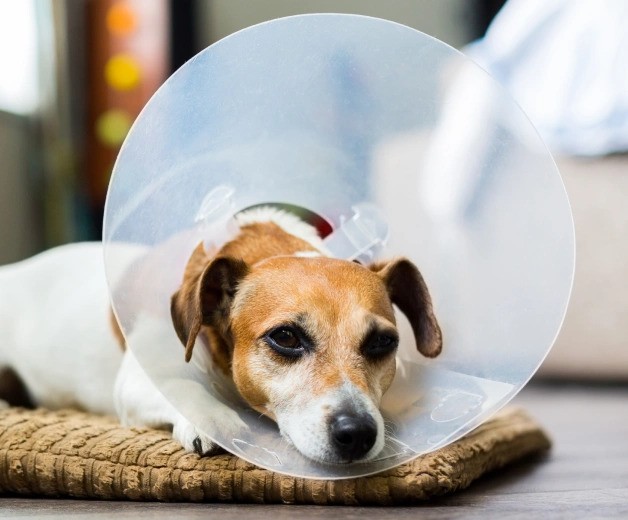
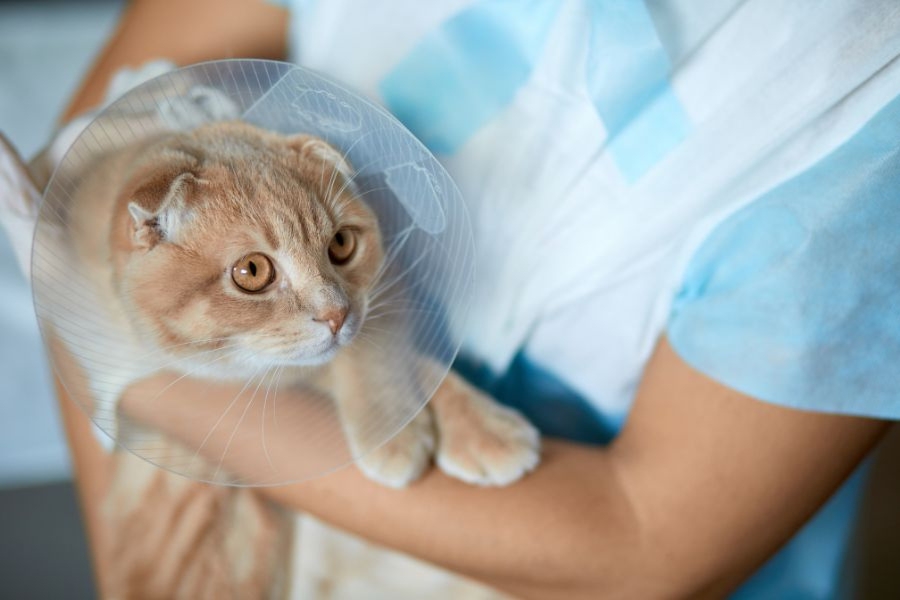
- An Elizabethan collar
- Recovery suit
- Protective bandage
Although some pets dislike these devices initially, they play a critical role in preventing complications.
Restrict Activity During Recovery
Even if your pet appears energetic, internal healing requires time.
Excessive activity can strain surgical sites and delay recovery.
Depending on the procedure, your veterinarian may recommend:
- Leash-only walks
- No running
- No jumping
- No rough play
- Limited stair use
Following activity restrictions carefully helps ensure proper healing.
Support Proper Nutrition and Hydration
Good nutrition supports tissue repair and overall recovery.
After surgery, your veterinarian may recommend:
- Smaller meals
- Easily digestible foods
- Increased hydration monitoring
Always follow feeding instructions provided by your veterinary team.
Additionally, monitor water intake closely to ensure your pet remains hydrated during recovery.
Keep Follow-Up Appointments
Follow-up visits allow veterinarians to evaluate healing progress and address any concerns.
These appointments may include:
- Incision checks
- Suture removal
- Medication adjustments
- Recovery assessments
Even if your pet appears fully recovered, attending scheduled rechecks remains important.
Veterinary professionals can identify subtle issues that may not be visible at home.
Common Surgeries Pets May Need
Veterinary procedures vary widely depending on a pet’s age and health needs.
Common examples include:
- Spay procedures
- Neuter procedures
- Mass removals
- Dental extractions
- Orthopedic procedures
- Soft tissue surgeries
- Emergency operations
Regardless of the procedure type, preparation remains one of the most important factors contributing to successful outcomes.
A well-planned approach to pet surgery helps support both safety and recovery.
How Broad River Animal Hospital Supports Surgical Patients
At Broad River Animal Hospital, we understand that surgery can feel overwhelming for pet owners. Our team works closely with families to provide clear communication, individualized care, and compassionate support throughout every stage of the process.
From pre-operative evaluations to post-operative recovery guidance, we prioritize patient safety and comfort. We also take the time to answer questions and help pet owners feel confident about their pet’s treatment plan.
Whether your pet requires a routine procedure or a more advanced operation, our goal is to provide exceptional care and support every step of the way.
Additionally, proper preparation before pet surgery can help reduce stress and contribute to a smoother experience for both pets and their families.
Finally, following your veterinarian’s recommendations after pet surgery plays a significant role in achieving a successful recovery.
Preparing your pet for surgery is one of the best ways to support a safe procedure and a successful recovery. By following your veterinarian’s instructions, completing recommended pre-surgical testing, and creating a comfortable recovery environment at home, you can help reduce stress and promote healing. Additionally, staying informed and attentive throughout the process ensures your pet receives the care they need before and after surgery.
If you’re in Weaverville, NC and your pet needs surgical care, schedule an appointment with Broad River Animal Hospital. Our experienced veterinary team is committed to providing compassionate care, advanced surgical services, and personalized guidance to help your pet achieve the best possible outcome.
FAQs
1. How should I prepare my pet the night before surgery?
Follow your veterinarian’s fasting instructions carefully, provide a calm environment, and avoid giving treats or food unless directed otherwise. Make sure your pet gets a comfortable night’s rest before the procedure.
2. Can my pet drink water before surgery?
In many cases, pets can have access to water until a certain time before surgery. However, requirements vary depending on the procedure and your pet’s health, so always follow your veterinarian’s specific instructions.
3. Why is pre-surgical bloodwork important for pets?
Pre-surgical bloodwork helps evaluate your pet’s organ function, blood cell counts, and overall health. This information allows veterinarians to identify potential risks and develop a safer anesthesia plan.
4. What should I bring on the day of my pet’s surgery?
Bring any requested medical records, a list of medications your pet is taking, and contact information where you can be reached during the procedure. Cats should arrive in a secure carrier, while dogs should be on a leash.
5. How long does it take for pets to recover from surgery?
Recovery time depends on the type of procedure, your pet’s age, and overall health. Some pets recover within a few days, while others may need several weeks of restricted activity and follow-up care.
6. What signs should I watch for after my pet returns home?
Monitor your pet for excessive swelling, bleeding, vomiting, loss of appetite, difficulty breathing, or unusual lethargy. Contact your veterinarian immediately if you notice any concerning symptoms during recovery.