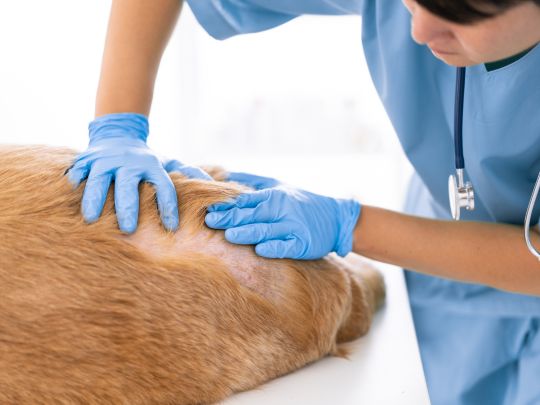



A dog that once ran excitedly toward the door may begin walking slowly or hesitate before climbing stairs. A cat that loved jumping onto the couch may suddenly prefer resting on the floor. These changes might seem like normal signs of aging, but they can indicate pain that makes everyday movement difficult.
Pain can affect more than a pet’s ability to walk or play. It can interfere with sleep, reduce interest in family activities, and make simple movements uncomfortable. Because pets cannot explain what hurts, changes in their behavior often provide the first clues.
For pet owners in Weaverville, understanding how pet pain management supports mobility can help protect their companions’ quality of life. Recognizing discomfort early and seeking veterinary care can help dogs and cats remain comfortable and active.
How Does Pain Affect a Pet’s Ability to Move?
When a joint, muscle, or other body part hurts, pets may change how they move to avoid discomfort. For example, a dog with hip pain may shift more weight onto its front legs. A cat with painful joints may stop jumping onto furniture, even though it can still walk normally.
Over time, these adjustments can affect muscle strength, flexibility, and balance. Pets that avoid movement because of pain may gradually lose muscle mass, making everyday activities harder.
This can create a cycle of discomfort and inactivity. Pain discourages movement, while prolonged inactivity weakens the muscles supporting the joints.
Appropriate veterinary treatment can help interrupt this cycle. When discomfort is controlled, pets may become more willing to participate in suitable activities and maintain their physical strength.
What Health Conditions Can Cause Pain and Mobility Problems in Pets?
Mobility problems can develop at any age. Although older pets commonly experience joint-related conditions, younger animals may also develop movement difficulties because of injuries or underlying health problems.
Arthritis and Joint Degeneration
Osteoarthritis is a common cause of chronic pain in dogs and cats. It involves changes within the joints that lead to inflammation, stiffness, and discomfort.
Affected pets may struggle to stand after resting, climb stairs, or complete their usual walks. Although arthritis cannot be cured, veterinary treatment can help manage symptoms and maintain mobility.
Muscle Injuries and Joint Problems
Running, jumping, slipping, or sudden movements can injure muscles, tendons, and ligaments. Conditions such as hip dysplasia and cranial cruciate ligament injuries can also affect joint stability. Symptoms may include limping, swelling, difficulty bearing weight, or reluctance to exercise. Treatment depends on the underlying problem and may involve medication, temporary activity restrictions, rehabilitation, or surgery.
Spinal and Neurological Conditions
Problems affecting the spine or nerves can cause pain, weakness, poor coordination, or difficulty walking. Sudden weakness, dragging the legs, or an inability to stand requires immediate veterinary attention because certain neurological conditions can worsen rapidly.
What Are the Early Signs That Your Pet Is Experiencing Pain?
Dogs and cats do not always cry or show obvious signs when something hurts. Many continue eating and interacting with their families despite ongoing discomfort.
Watch for these changes:
- Stiffness after resting: Your pet takes longer to stand or walks awkwardly after waking.
- Difficulty using stairs: Climbing or descending steps becomes challenging.
- Reluctance to jump: Your cat avoids furniture, or your dog hesitates before entering the car.
- Changes in walking: Limping, shorter steps, or shifting weight away from one leg becomes noticeable.
- Reduced activity: Your pet loses interest in regular walks or playtime.
- Grooming difficulties: Cats may struggle to reach certain areas because bending causes discomfort.
- Behavioral changes: Your pet becomes withdrawn, irritable, restless, or sensitive to touch.
Observing how your pet moves throughout the day can provide useful information. A short video showing difficulty standing, walking, or climbing stairs may help your veterinarian understand what happens at home.
If these changes persist or worsen, schedule an examination rather than assuming they are normal signs of aging.
How Can Veterinary Pain Management Improve Your Pet’s Mobility?
Veterinary pain management focuses on identifying the cause of discomfort, controlling symptoms, and supporting comfortable movement. The objective is not simply to increase activity. Treatment should help pets move without placing unnecessary stress on painful or injured areas.
Reducing Pain and Inflammation
Veterinary-prescribed medications may help control pain and inflammation associated with arthritis, injuries, or other conditions. The appropriate medication depends on the pet’s diagnosis, age, medical history, and overall health. Some pets also require testing or ongoing monitoring.
Maintaining Muscle Strength and Joint Function
When discomfort decreases, pets may become more willing to participate in controlled physical activity. Suitable movement helps maintain muscle strength, flexibility, and joint function. These benefits can be particularly important for pets experiencing chronic mobility problems. However, exercise should not be increased simply because medication makes a pet appear more comfortable.
Supporting Long-Term Comfort
Chronic conditions often require ongoing care rather than a single treatment. Regular veterinary examinations help assess pain control, monitor mobility, and determine whether treatment adjustments are necessary. Although not every condition can be reversed, consistent care may help pets maintain comfortable movement and participate in familiar activities.
What Pain Management Options Can Help Dogs and Cats?
Treatment recommendations depend on the cause of discomfort, the pet’s physical condition, and its medical history.
Several approaches may be considered.
Prescription Pain Medication
Veterinary medications can help control discomfort associated with arthritis, injuries, and surgical recovery. Some medications reduce inflammation, while others address pain through different mechanisms. Never give your pet human pain relievers without veterinary instructions. Common medications such as ibuprofen and naproxen can be dangerous for dogs and cats.
Weight Management and Nutritional Support
Excess body weight places additional stress on joints, particularly the hips, knees, and elbows. For overweight pets, gradual weight reduction may improve comfort and mobility. Your veterinarian can recommend appropriate feeding and activity changes. Certain veterinary diets or joint supplements may also be considered, although their benefits vary.
Acupuncture and Supportive Therapies
Acupuncture may be considered as part of a broader treatment plan for some pets experiencing chronic discomfort. Broad River Animal Hospital offers acupuncture services that may be discussed when evaluating supportive care options. Responses vary, and acupuncture should not replace diagnosis or necessary medical treatment.
Controlled Exercise and Rehabilitation
Some pets benefit from carefully planned movement to maintain flexibility, balance, and muscle strength. Depending on the diagnosis, veterinarians may recommend short walks, gentle exercises, or rehabilitation services. Activity recommendations must account for the pet’s limitations, particularly during recovery from injuries or surgery.
How Can You Support Your Pet’s Mobility at Home?
Veterinary treatment is important, but simple home adjustments can also make everyday movement more comfortable.
Consider these changes:
- Use non-slip rugs: Provide traction on slippery floors to reduce slipping.
- Provide supportive bedding: Choose a comfortable resting area that is easy to access.
- Keep essentials accessible: Position food, water, and litter boxes where pets can reach them without difficult climbing.
- Consider ramps or low steps: Reduce unnecessary jumping when appropriate for your pet’s condition.
- Maintain suitable activity: Follow veterinary recommendations for walking, playing, and exercise.
- Monitor mobility: Track changes in stiffness, limping, and willingness to move.
These adjustments should complement veterinary treatment rather than replace it.
If your pet suddenly cannot stand, refuses to bear weight, or experiences severe pain, seek prompt veterinary attention.
What Improvements Might You Notice After Pain Is Managed?
The response to treatment varies depending on the underlying condition and its severity.
Some pets improve relatively quickly, while others need ongoing monitoring and treatment adjustments.
Possible improvements include:
- Easier movement: Standing, walking, or changing positions becomes more comfortable.
- Greater interest in activity: Dogs may enjoy short walks again, while cats may explore familiar spaces.
- Improved rest: Pets may settle more easily and sleep with fewer interruptions.
- Participation in family routines: Your pet may show renewed interest in attention and gentle play.
Progress should be measured by comfortable, appropriate movement rather than increased activity alone. For chronic conditions, the goal may be maintaining daily comfort instead of restoring every previous activity.
Help Your Pet Enjoy More Comfortable Movement
Pain should not prevent your pet from enjoying everyday activities. Whether your dog struggles with stairs or your cat has stopped jumping onto familiar resting spots, these changes deserve veterinary attention.
Broad River Animal Hospital provides veterinary care focused on identifying discomfort, addressing underlying health concerns, and supporting long-term mobility.
If you live in Weaverville or a nearby community and have noticed your pet slowing down, contact Broad River Animal Hospital to schedule a pet pain management consultation. Our veterinary team can evaluate your companion’s condition and discuss suitable treatment options.
Frequently Asked Questions
1. Can pain management help a dog with arthritis walk more comfortably?
Yes. Appropriate treatment can reduce arthritis-related pain and inflammation, making walking and standing more comfortable. Depending on the dog’s condition, care may include prescription medication, weight management, controlled exercise, and ongoing veterinary monitoring.
2. How long does it take for a pet to show improved mobility after treatment?
Some pets show improvement within days, while others need several weeks. Recovery depends on the underlying condition, its severity, and the treatment provided. Chronic joint problems often require ongoing care to maintain comfort and mobility.
3. Can cats experience joint pain without limping?
Yes. Cats with arthritis may continue walking normally but stop jumping, grooming certain areas, or using elevated resting spaces. Changes in activity and behavior can be important indicators of discomfort, even when limping is absent.
4. Where can I get my senior dog’s joint pain evaluated in Weaverville?
Broad River Animal Hospital provides veterinary pain management and senior pet care in Weaverville. Our team can evaluate your dog’s mobility, examine painful joints, and recommend appropriate treatment options to help maintain comfort and daily activity.
5. Does Broad River Animal Hospital offer treatment for pets with chronic mobility problems near Asheville?
Yes. Broad River Animal Hospital welcomes pets from Asheville, Weaverville, and surrounding communities. Our veterinary team provides pain management services for conditions such as arthritis and joint discomfort, with treatment plans that may include medication, supportive care, and lifestyle recommendations.
6. How can I schedule a mobility and pain assessment for my pet in Weaverville?
You can contact Broad River Animal Hospital at 828-484-7771 to request an appointment. Our veterinary practice is located at 121 Barnardsville Hwy., Weaverville, NC 28787. During the visit, our vet can assess your pet’s movement, discuss symptoms, and recommend suitable next steps.
Related Articles