
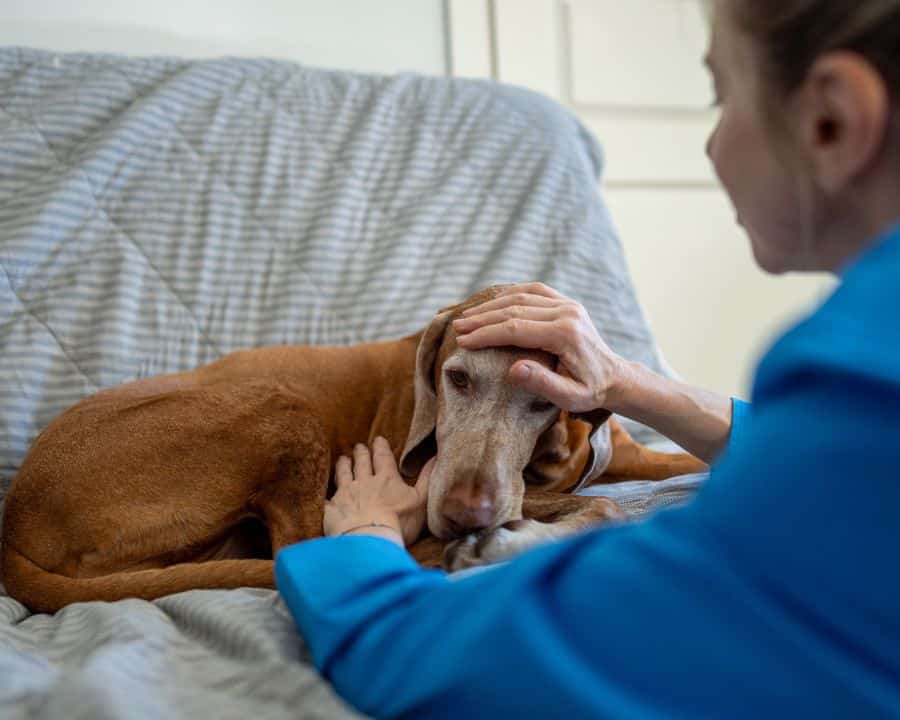
Your normally playful dog suddenly refuses to move, or your affectionate cat starts hiding and avoiding attention. These unexpected changes can leave pet owners wondering whether something is wrong.
For pet owners in Weaverville, recognizing unusual behavior is an important part of protecting their animals’ health. At Broad River Animal Hospital, we encourage families to watch for changes that could indicate discomfort or illness.
Sudden changes in pet behavior become concerning when they are unexplained, persistent, severe, or accompanied by physical symptoms. Some changes result from temporary stress, while others may signal medical conditions that require urgent pet care.
What Sudden Behavioral Changes Should Pet Owners Watch For?
Dogs and cats communicate discomfort through their actions. Changes may appear before obvious physical symptoms develop.
Watch for these behavioral warning signs:
- Sudden aggression: Growling, snapping, biting, or hissing when approached.
- Unusual hiding: Avoiding family members or remaining isolated.
- Loss of appetite: Refusing meals or showing little interest in food.
- Excessive vocalization: Persistent whining, barking, or unusual meowing.
- Unexplained restlessness: Pacing, trembling, or difficulty settling down.
- Reduced activity: Avoiding walks, playtime, stairs, or jumping.
- House-training changes: Unexpected indoor accidents or litter box avoidance.
A single behavioral change does not identify a specific illness. However, several changes occurring together deserve closer attention.
Why Is My Dog or Cat Suddenly Acting Differently?
Several physical and emotional factors can influence animal behavior.
Pain or Physical Discomfort
Dental disease, injuries, arthritis, and abdominal discomfort may cause pets to withdraw or react defensively. A dog that suddenly growls when touched may be in pain rather than being disobedient.
Illness or Internal Health Problems
Kidney disease, urinary problems, hormonal disorders, and infections can affect activity, appetite, and bathroom habits.
For example, a cat repeatedly visiting the litter box may have urinary discomfort. Straining without producing urine can indicate a life-threatening blockage.
Stress and Environmental Changes
Moving, unfamiliar visitors, loud noises, and changes in household routines may trigger anxiety.
However, owners should not automatically assume stress is responsible for sudden behavioral changes, particularly when physical symptoms are present.
Age-Related Conditions
Older pets may develop joint pain, reduced hearing, vision changes, or cognitive dysfunction. These conditions can contribute to confusion, nighttime restlessness, and altered social behavior.
When Should You Worry About a Sudden Behavior Change?
The urgency depends on the severity, duration, and accompanying symptoms.
| Situation | Recommended action |
| Brief nervousness after an identifiable disturbance, with normal eating and activity | Monitor closely if symptoms resolve |
| Persistent hiding, reduced appetite, new aggression, or unusual fatigue | Contact a veterinarian promptly for an examination |
| Breathing difficulty, collapse, seizures, inability to urinate, or severe disorientation | Seek emergency veterinary attention immediately |
Sudden severe weakness, suspected poisoning, or repeated unproductive retching also requires immediate attention.
Call our animal hospital now if your pet develops concerning symptoms during business hours. Our team can help determine whether an examination or emergency facility is appropriate.
What Should You Do If Your Pet’s Behavior Changes Suddenly?
Your response can help prevent additional distress while providing useful information for veterinary evaluation.
- Observe carefully: Record when the behavior began and whether symptoms are worsening.
- Check basic habits: Monitor eating, drinking, urination, bowel movements, and activity.
- Provide a quiet environment: Limit unnecessary handling, especially if your pet appears painful or frightened.
- Record unusual episodes: Short videos may help the veterinarian assess intermittent behavior.
- Avoid home medications: Never give human pain relievers or adjust prescribed medications without veterinary instructions.
- Contact our veterinarian: Describe the symptoms and follow their guidance on when to schedule an examination.
If your pet appears severely ill, do not delay emergency treatment to collect observations.
How Do Veterinarians Evaluate Unusual Pet Behavior?
A veterinary examination helps distinguish behavioral concerns from underlying medical problems.
During an assessment, our vet Dr. Allison may review your pet’s medical history, recent environmental changes, and symptoms before recommending appropriate diagnostic testing.
Depending on the findings, evaluation may involve:
- A physical examination to identify pain or injuries.
- Bloodwork to investigate internal health concerns.
- Urinalysis to assess urinary problems.
- Neurological assessment for coordination or awareness changes.
Treatment depends on the underlying cause and may involve medication, pain management, dietary adjustments, or behavioral guidance.
Why Does Early Veterinary Attention Matter?
Waiting for unusual behavior to disappear can delay recognition of an underlying illness.
For pets showing persistent discomfort, worsening symptoms, or unexplained personality changes, timely assessment can help identify problems and guide treatment.
Families seeking urgent pet care in Weaverville should contact their veterinary team rather than attempting to diagnose symptoms at home.
Help Your Pet Feel Comfortable Again
Never dismiss sudden behavioral changes when they persist or occur alongside concerning physical symptoms. Recognizing these changes early helps pet owners make informed decisions about veterinary care.
At Broad River Animal Hospital in Weaverville, our team provides medical evaluations and urgent pet care during business hours and refers cases to emergency facilities when necessary.
Call our hospital at 828-484-7771 to discuss your pet’s symptoms and determine the appropriate next steps.
Frequently Asked Questions
1. Why Is My Dog Suddenly Acting Scared or Anxious?
Sudden anxiety may result from pain, unfamiliar surroundings, loud noises, or illness. If your dog remains frightened without an identifiable trigger, arrange a veterinary examination to investigate possible medical causes.
2. Why Is My Cat Suddenly Hiding and Not Eating?
Cats may hide because of stress, pain, or illness. Refusing food alongside unusual hiding warrants prompt veterinary advice. A cat that has not eaten for 24 hours needs veterinary assessment, and kittens or ill cats may need attention sooner.
3. Can Sudden Aggression in Pets Indicate Pain?
Yes. A previously calm pet may growl, hiss, or bite when experiencing physical discomfort. Avoid forcing interaction and contact a veterinarian to investigate potential injuries, dental problems, or other painful conditions.
4. How Long Should I Monitor Unusual Pet Behavior?
Brief changes following an identifiable stressful event may resolve quickly. However, persistent symptoms, reduced appetite, or worsening behavior should prompt a call to our vet. Serious warning signs require immediate attention.
5. Can Older Pets Develop Sudden Personality Changes?
Yes. Senior dogs and cats may develop behavioral changes related to pain, sensory decline, or cognitive dysfunction. New confusion, nighttime pacing, or withdrawal deserves veterinary evaluation rather than being dismissed as normal aging.
6. Can a Veterinary Examination Identify the Cause of Behavior Changes?
A veterinary examination can help identify medical conditions contributing to unusual behavior. Depending on symptoms, your vet may recommend bloodwork, urine testing, or other diagnostic procedures to determine appropriate treatment.