


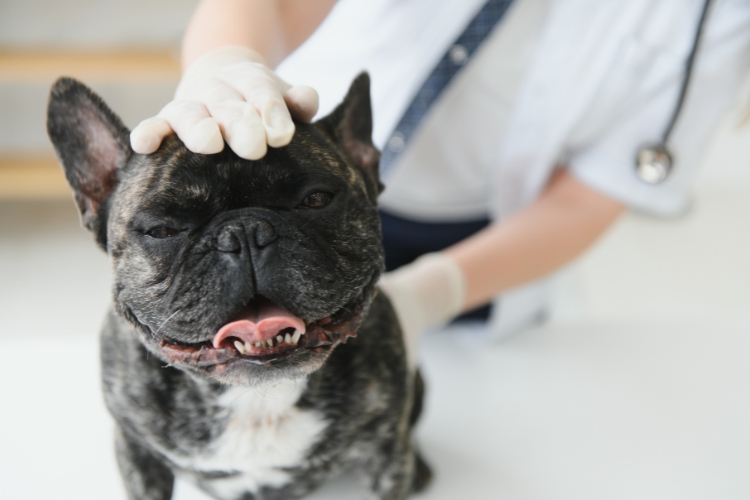
Pets bring joy, companionship, and unconditional love into our lives. As they grow and change, their healthcare needs also evolve. From the playful puppy or kitten stage to the golden senior years, every phase of life presents unique challenges and opportunities for maintaining good health. Understanding how professional animal healthcare supports your pet throughout these stages can help you make informed decisions that contribute to a longer, happier life.
Regular wellness visits, preventive care, proper nutrition, and early disease detection all play a significant role in supporting lifelong health. These services help identify potential concerns before they become serious problems while ensuring pets receive the individualized care they need as they age. For pet owners in Weaverville, NC, having access to trusted veterinary care is an important part of responsible pet ownership.
The Importance of Lifelong Preventive Care
Preventive care serves as the foundation of pet health. Rather than waiting until a pet becomes sick or injured, preventive healthcare focuses on avoiding illness and identifying health concerns early.
Routine wellness examinations allow healthcare professionals to monitor growth, evaluate body condition, assess dental health, and detect subtle changes that may indicate underlying issues. These visits also provide opportunities to discuss nutrition, exercise, behavior, and lifestyle factors that affect overall well-being.
Additionally, preventive care often includes:
- Vaccinations
- Parasite prevention
- Routine laboratory testing
- Dental evaluations
- Nutritional counseling
- Weight management programs
By staying proactive, pet owners can help reduce the risk of many common health conditions while supporting their pet’s long-term quality of life.
Supporting Puppies and Kittens During Early Development
The first year of life is one of the most important periods for a pet’s growth and development. Young animals experience rapid physical and behavioral changes that require careful monitoring.
Establishing a Preventive Healthcare Plan
New puppies and kittens need a series of vaccinations designed to protect them from potentially serious diseases. During this stage, healthcare professionals also develop parasite prevention plans to safeguard against fleas, ticks, intestinal parasites, and heartworms.
Routine examinations help ensure healthy growth while monitoring developmental milestones. Early visits also provide valuable opportunities to address questions about feeding schedules, house training, socialization, and behavior.
Nutritional Guidance for Growing Pets
Proper nutrition is especially important during the early months of life. Puppies and kittens require balanced diets formulated to support healthy bone development, muscle growth, and immune function.
Healthcare providers can recommend diets based on factors such as:
- Breed
- Size
- Activity level
- Medical history
- Growth rate
Nutritional support during this stage lays the groundwork for lifelong health.
Behavioral Development and Training
Young pets learn rapidly during their first year. Guidance regarding positive reinforcement training, socialization, and environmental enrichment helps reduce the likelihood of future behavioral challenges.
Addressing concerns early often leads to better long-term outcomes for both pets and their families.
Maintaining Health During the Adult Years
Once pets reach adulthood, their healthcare needs shift toward maintaining wellness and preventing disease. Adult pets often appear healthy on the surface, but routine monitoring remains essential.
Annual Wellness Examinations
Many medical conditions develop gradually and may not show obvious symptoms in their early stages. Regular wellness visits allow healthcare teams to identify subtle changes that could indicate emerging health concerns.
During these examinations, a veterinarian can assess:
- Weight and body condition
- Skin and coat health
- Joint function
- Dental condition
- Organ system health
- Behavioral changes
These evaluations help establish health baselines that make future changes easier to detect.
Vaccination and Parasite Protection
Adult pets continue to require protection from infectious diseases and parasites. Healthcare providers develop customized vaccination schedules based on lifestyle, age, and risk factors.
Likewise, year-round parasite prevention remains essential. Fleas, ticks, heartworms, and intestinal parasites can cause significant health problems if left untreated.
Consistent preventive care reduces these risks while supporting overall wellness.
Weight Management and Nutrition
Obesity is one of the most common health concerns affecting pets today. Excess weight can increase the risk of numerous medical conditions, including:
- Arthritis
- Diabetes
- Heart disease
- Respiratory problems
- Reduced mobility
Regular weight monitoring and nutritional assessments help ensure pets maintain a healthy body condition throughout adulthood.
Dental Health Monitoring
Dental disease affects many pets and often develops silently. Plaque and tartar accumulation can lead to gum disease, tooth loss, chronic pain, and systemic health complications.
Routine dental evaluations and professional cleanings help preserve oral health while reducing the risk of infection.
Addressing Health Changes During Middle Age
As pets enter middle age, they may begin experiencing subtle physical changes that require additional attention.
Increased Diagnostic Screening
Middle-aged pets often benefit from routine diagnostic testing even when they appear healthy. Blood work, urinalysis, and other screening tests can identify early signs of disease before symptoms become noticeable.
These screenings may help detect:
- Kidney disease
- Liver disorders
- Thyroid abnormalities
- Diabetes
- Heart disease
Early diagnosis frequently allows for more effective treatment and management.
Monitoring Mobility and Joint Health
Joint changes become increasingly common as pets age. Some animals may begin showing signs of stiffness, reduced activity, or difficulty climbing stairs.
Healthcare providers can recommend strategies to support joint function, including:
- Weight management
- Nutritional supplements
- Exercise modifications
- Pain management options
Early intervention often improves comfort and mobility.
Behavioral and Cognitive Assessments
Middle-aged pets may also experience behavioral changes. Monitoring these changes can help identify underlying medical conditions or age-related concerns that require attention.
Open communication with your pet’s healthcare team helps ensure timely evaluation and appropriate care.
Caring for Senior Pets
Senior pets require specialized healthcare designed to address age-related changes and maintain quality of life.
More Frequent Wellness Visits
As pets age, healthcare visits often become more frequent. These appointments provide opportunities to monitor chronic conditions, assess treatment effectiveness, and identify new health concerns.
Regular evaluations support early intervention and help maintain comfort.
Managing Chronic Conditions
Many senior pets develop chronic health issues that require ongoing management.
Common age-related conditions include:
- Arthritis
- Kidney disease
- Heart disease
- Diabetes
- Cognitive decline
- Dental disease
A veterinarian can develop individualized treatment plans that support comfort, mobility, and overall well-being while helping families navigate changing healthcare needs.
Nutritional Adjustments for Older Pets
Senior pets often benefit from dietary modifications tailored to their changing metabolism and health status.
Nutritional plans may focus on:
- Weight maintenance
- Joint support
- Kidney function
- Digestive health
- Muscle preservation
Appropriate nutrition plays a significant role in supporting healthy aging.
Monitoring Quality of Life
One of the most important aspects of senior pet care involves evaluating the quality of life. Healthcare professionals work closely with families to assess comfort levels, mobility, appetite, and daily activities.
These conversations help ensure pets receive compassionate care that supports their physical and emotional well-being.
The Value of Building a Long-Term Healthcare Partnership
One of the greatest benefits of consistent veterinary care is the development of a long-term relationship between pet owners and their healthcare team.
Over time, providers gain valuable insight into a pet’s medical history, personality, lifestyle, and unique health needs. This familiarity supports more personalized care and allows for earlier recognition of changes that may indicate illness.
Strong communication also empowers pet owners to make informed decisions regarding preventive care, treatment options, and long-term wellness strategies.
Creating a Healthier Future for Your Pet
At Broad River Animal Hospital, we believe that every stage of your pet’s life deserves personalized attention and proactive care. From the energetic early years to the challenges that come with aging, preventive services, wellness exams, nutritional support, dental care, and early health screenings play an essential role in helping pets live longer, healthier lives.
By prioritizing routine healthcare and staying attentive to your pet’s changing needs, you can help support their overall well-being throughout every life stage. Regular checkups allow the team at Broad River Animal Hospital to detect potential concerns early, provide timely treatment recommendations, and develop customized care plans that promote lifelong health, comfort, and happiness for your beloved companion.
If you’re in Weaverville, NC, and looking for a veterinarian near you, schedule an appointment with Broad River Animal Hospital. Our veterinary team is committed to helping pets thrive through every stage of life with compassionate care, preventive services, and personalized treatment plans designed to support long-term health and well-being.
Frequently Asked Questions
1. How often should my pet visit Broad River Animal Hospital for a wellness exam?
Most adult pets benefit from yearly wellness visits, while puppies, kittens, senior pets, and those with ongoing health concerns may require more frequent evaluations. Scheduling regular appointments helps our team monitor your pet’s health and address concerns early.
2. Why are routine health screenings important for pets?
Routine screenings can reveal underlying health conditions before noticeable symptoms develop. At Broad River Animal Hospital, we use preventive testing to help detect potential issues early and support better long-term health outcomes.
3. When should my pet receive dental care?
Dental care should begin as early as possible to help prevent plaque buildup, gum disease, and tooth loss. Our team can evaluate your pet’s oral health and recommend a personalized dental care plan during a scheduled visit.
4. What are the signs that my pet may need a nutritional assessment?
Weight gain, weight loss, digestive issues, low energy levels, or changes in appetite may indicate that your pet could benefit from nutritional guidance. Schedule an appointment with Broad River Animal Hospital to discuss the best dietary options for your companion.
5. How can I help my senior pet stay healthy and comfortable?
Senior pets benefit from regular wellness exams, diagnostic screenings, mobility assessments, and tailored nutrition plans. Our healthcare team can develop a customized care strategy designed to support your pet’s comfort and quality of life as they age.
6. When should I schedule an appointment for my pet?
If your pet is due for a wellness exam, vaccinations, dental evaluation, or has experienced any changes in behavior, appetite, mobility, or energy levels, it’s a good time to schedule an appointment. Broad River Animal Hospital is committed to providing compassionate care and personalized attention for pets at every stage of life.
Related Articles