

Pets can’t always communicate when something is wrong, but their behavior, appetite, and energy levels often provide subtle clues. Ignoring these warning signs can allow minor issues to develop into serious health problems. Recognizing the signs early is crucial for timely intervention, effective treatment, and your pet’s long-term well-being. For pet owners in Weaverville, NC, understanding when to seek pet diagnostic care ensures your furry companion stays healthy and happy.
Diagnostic testing helps veterinarians uncover issues that aren’t immediately visible during a routine exam. From lab tests to imaging, these tools provide a detailed look at internal systems, allowing early diagnosis and precise treatment planning. With modern veterinary technology, identifying conditions before they worsen is more accessible than ever.
1. Noticeable Changes in Appetite or Thirst
Alterations in eating or drinking patterns often indicate underlying health problems.
- Loss of appetite: Sudden refusal to eat may signal dental issues, gastrointestinal problems, or systemic infections.
- Increased thirst: Drinking more water than usual can be a sign of kidney disease, diabetes, or hormonal imbalances.
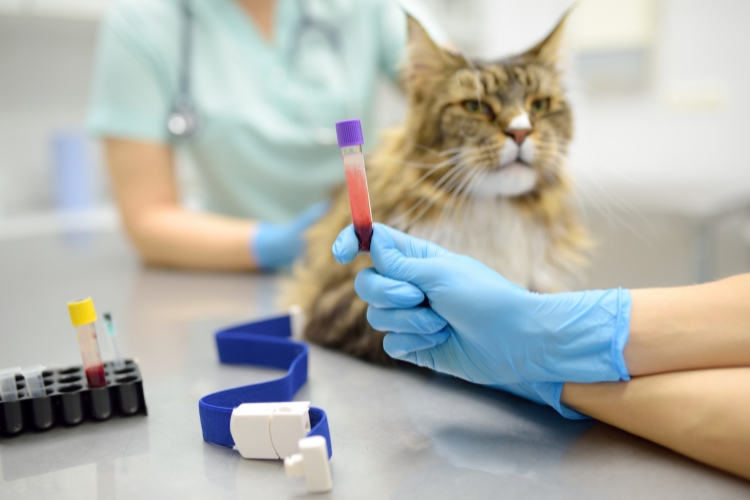
- Rapid weight changes: Unexpected weight gain or loss should be addressed promptly. Diagnostic blood panels and urinalysis can uncover hidden causes.
2. Lethargy or Reduced Activity
: A decline in energy or mobility may point to health issues that need attention.
- Pets that sleep excessively or seem sluggish may be dealing with infections, anemia, or organ dysfunction.
- Even slight reductions in playfulness can indicate internal discomfort.
- Diagnostic testing, including blood work, can identify problems before they become serious.
3. Vomiting, Diarrhea, or Digestive Upsets
: Gastrointestinal disturbances can range from minor to severe.
- Occasional vomiting may be harmless, but frequent episodes require a veterinarian’s evaluation.
- Blood in stool, persistent diarrhea, or constipation signals a need for immediate diagnostic testing.
- Lab tests and imaging help determine the root cause and guide treatment.
4. Changes in Urination
: Urinary habits are strong indicators of potential internal issues.
- Difficulty urinating, frequent accidents, or changes in urine color may indicate kidney disease, bladder infections, or stones.
- Diagnostic tests like urinalysis and imaging allow veterinarians to identify and treat problems efficiently.
- Early detection prevents complications and protects your pet’s long-term health.
5. Persistent Coughing, Sneezing, or Breathing Issues
: Respiratory changes can signal infections or more serious conditions.
- Chronic coughing may be linked to heart disease, airway obstructions, or lung infections.
- Frequent sneezing, nasal discharge, or labored breathing should never be ignored.
- Imaging and lab tests allow a clear assessment of your pet’s respiratory health.
6. Unexplained Skin or Coat Changes
: Hair loss, rashes, or excessive scratching can indicate underlying conditions.
- Skin infections, parasites, or hormonal imbalances often affect coat quality.
- Lab tests and skin cytology help pinpoint the cause.
- Addressing skin issues early improves comfort and prevents progression.
7. Behavioral Changes
: Sudden aggression, anxiety, confusion, or withdrawal may reflect medical problems.
- Neurological issues or pain can alter a pet’s normal behavior.
- Diagnostic testing, including neurological exams and lab work, can reveal hidden conditions.
- Observing subtle cues helps veterinarians identify problems promptly.
8. Mobility Issues or Signs of Pain
: Limping, stiffness, or reluctance to move often signals musculoskeletal problems.
- Arthritis, injury, or bone disease can limit mobility.
- X-rays and imaging provide detailed insights into joint and bone health.
- Early diagnosis supports pain management and improves quality of life.
9. Recurrent Infections
: Frequent ear, eye, or urinary infections can indicate immune or organ dysfunction.
- Pets experiencing repeated infections benefit from diagnostic evaluation to identify root causes.
- Blood work, cultures, and imaging are tools veterinarians use to uncover hidden issues.
- Identifying patterns early allows for more effective treatment strategies.
10. Changes in Vital Signs
: Altered heart rate, respiration, or body temperature may signal serious conditions.
- Rapid, labored, or irregular breathing requires immediate attention.
- Heart murmurs or abnormal beats can be detected with auscultation and imaging.
- Early diagnostic testing ensures prompt intervention for cardiovascular or respiratory concerns.
The Importance of Timely Diagnostic Testing
Diagnostic testing is not just about treating symptoms – it’s about prevention, early detection, and ensuring your pet’s long-term health. Modern veterinary tools, from advanced imaging to lab analysis, allow veterinarians to detect hidden issues and develop tailored care plans. Broad River Animal Hospital provides comprehensive diagnostic services designed to uncover health concerns before they become critical, giving pets the best chance for a healthy, active life.
Transitioning from observation to action can be challenging, but early intervention saves lives. Regular wellness exams, combined with targeted diagnostic testing, provide the most complete assessment of your pet’s health.
If you’re in Weaverville and looking for pet diagnostic care near you, schedule an appointment with Broad River Animal Hospital. Our veterinary team uses advanced diagnostic tools and a compassionate approach to ensure your pet receives precise care. Acting on early warning signs gives your pet the best chance to live a long, healthy, and happy life. Don’t wait – protect your furry companion today.
FAQs
1. How often should my pet receive diagnostic testing?
Frequency depends on age, breed, and overall health. Routine wellness exams with targeted tests help detect potential issues early and maintain long-term wellness.
2. Are diagnostic tests painful for pets?
Most tests are minimally invasive. Blood draws and imaging are quick, and veterinarians prioritize comfort during every procedure. Pets typically tolerate testing well.
3. What types of diagnostic tests are common?
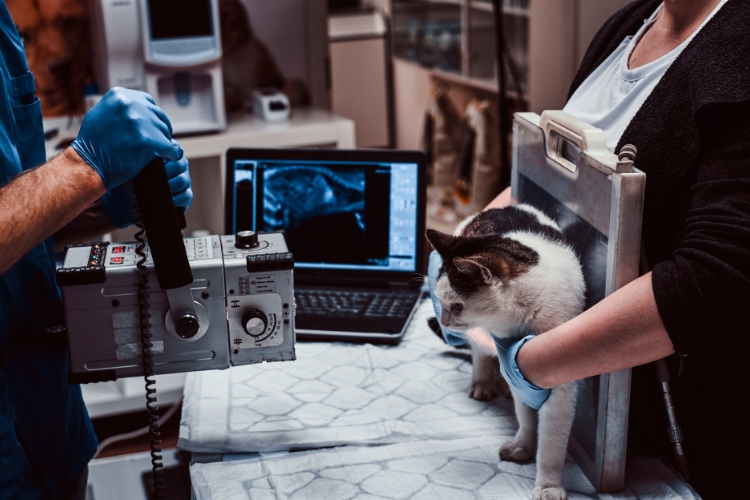
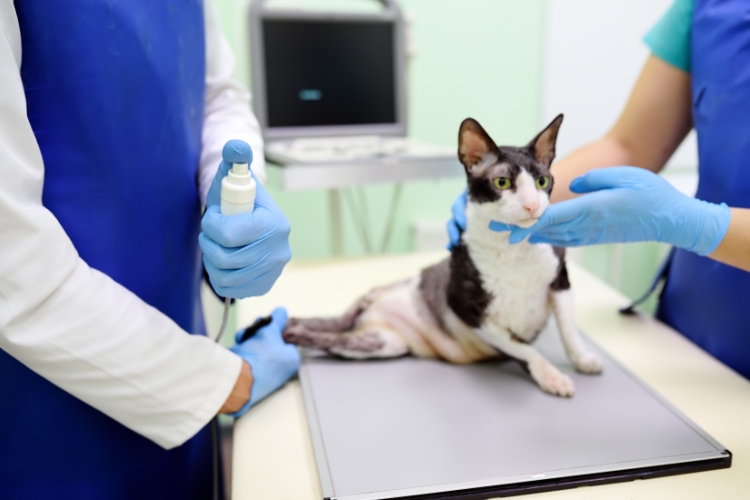
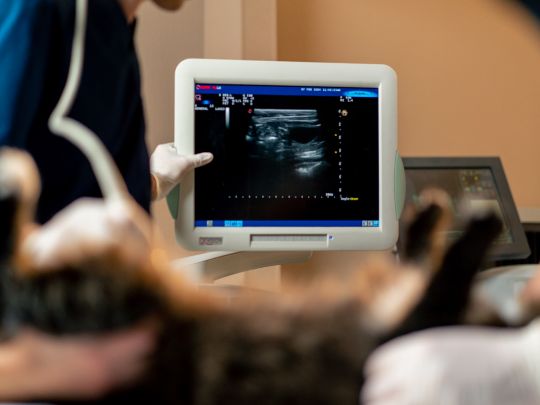
Tests often include blood panels, urinalysis, X-rays, ultrasound, and skin cytology. Each examines specific systems and helps diagnose underlying health issues.
4. Can diagnostic testing detect hidden illnesses?
Yes. Many conditions, including kidney disease, diabetes, and heart problems, may not show outward signs. Testing identifies these problems before symptoms worsen.
5. How do I know if my pet needs testing?
Watch for changes in appetite, behavior, mobility, or elimination habits. Persistent or unusual signs should prompt a veterinary evaluation.
6. Does pet insurance cover diagnostic testing?
Coverage depends on your insurance plan. Contact your provider or our office to discuss options for diagnostic testing and preventive care.