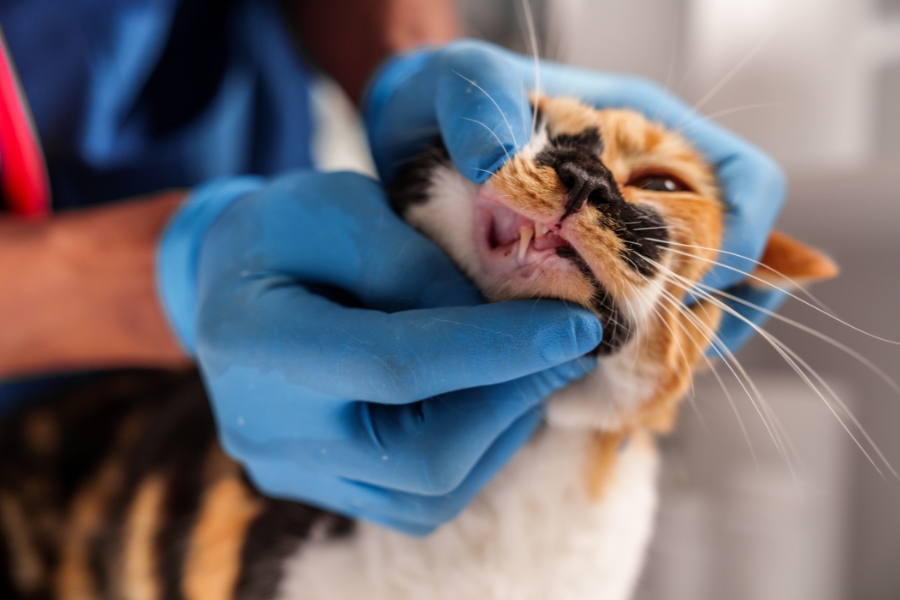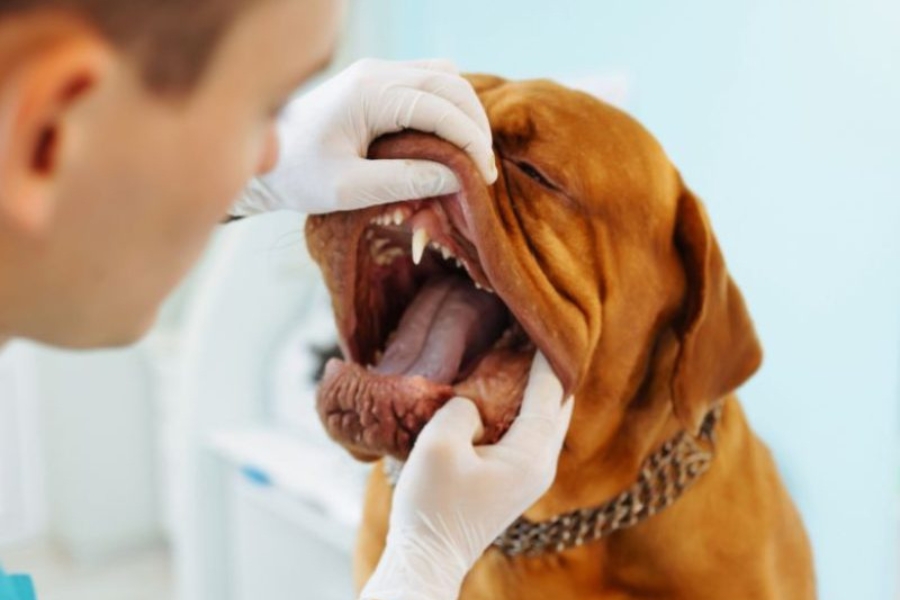


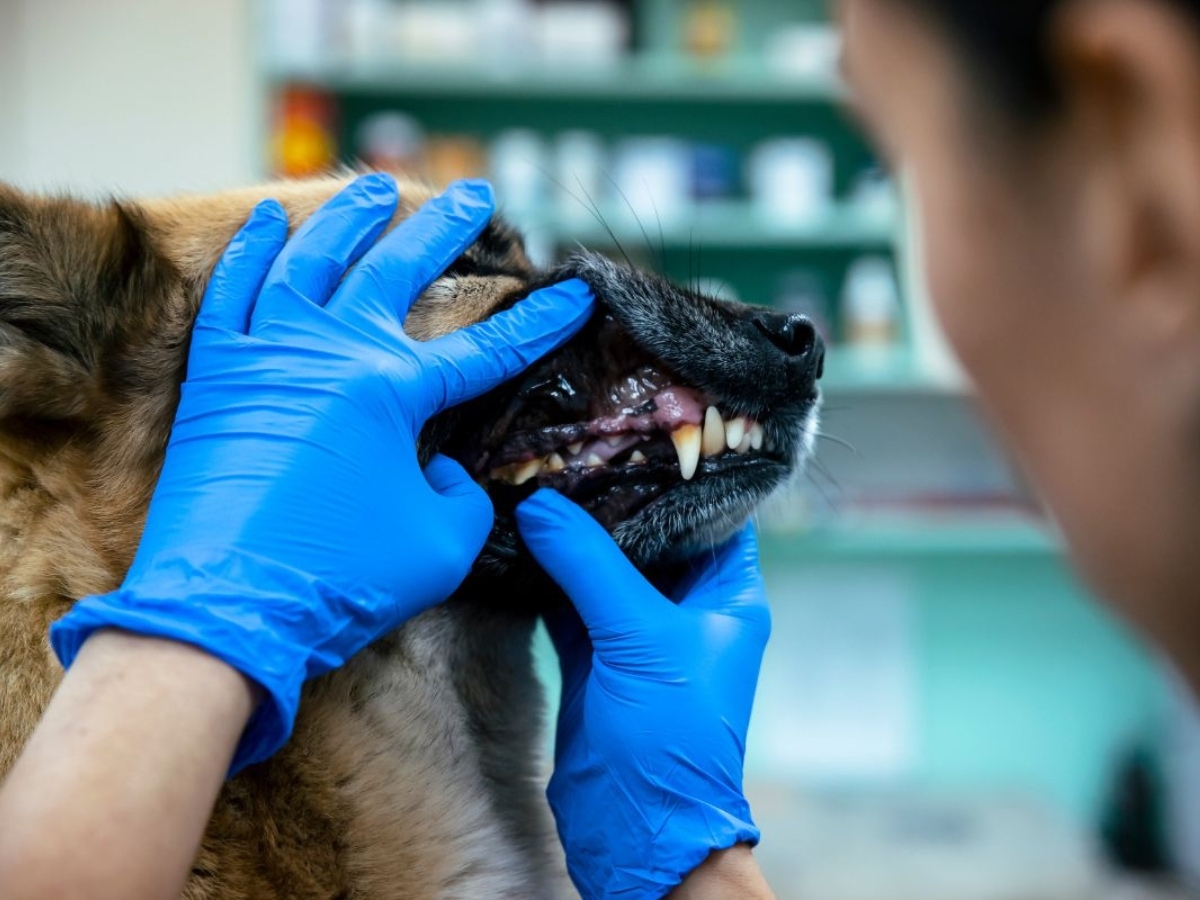
As pet owners, we want our furry friends to live long, healthy lives. While most pet owners understand the importance of vaccinations, exercise, and proper nutrition, one crucial aspect often goes overlooked—dental care. Just like humans, pets can suffer from dental issues that can lead to severe health problems if not addressed. Regular veterinary dental care is essential in maintaining your pet’s health, preventing dental diseases, and ensuring their overall well-being.
At Broad River Animal Hospital, we emphasize the importance of dental care for pets. In this blog, we will discuss the long-term benefits of regular veterinary dental care and why it should be an essential part of your pet’s routine health care.
The Importance of Pet Dental Care
Dental health plays a significant role in your pet’s overall health. Just as in humans, poor oral hygiene in pets can lead to a variety of dental problems. These issues can not only cause discomfort but also lead to serious health conditions if left untreated. Without regular dental care, pets are at risk of developing:
- Tartar and Plaque Build-Up: When food particles and bacteria accumulate in your pet’s mouth, they can form tartar and plaque. Over time, these deposits can cause gum disease, tooth decay, and even tooth loss.
- Gum Disease: Gum disease is one of the most common dental issues among pets. It can lead to painful inflammation, infection, and even bone loss around the teeth. In severe cases, it can affect your pet’s ability to eat and lead to systemic infections.
- Bad Breath: Persistent bad breath, also known as halitosis, is often a sign of poor oral hygiene. While it may seem like a minor issue, it can be a sign of more serious underlying problems such as gum disease or infection.
- Tooth Loss: Over time, untreated dental disease can result in tooth loss, making it difficult for your pet to chew and eat properly.
Regular veterinary dental check-ups can help prevent these issues and ensure your pet enjoys a healthy, comfortable life.
Long-Term Benefits of Regular Veterinary Dental Care
Now that we understand the importance of dental care, let’s explore the long-term benefits of regular veterinary dental visits for your pet.
1. Prevention of Serious Health Issues
One of the most significant benefits of regular dental care is the prevention of serious health conditions. Dental disease can lead to infections that affect your pet’s organs, including the heart, liver, and kidneys. Bacteria from the mouth can enter the bloodstream, causing inflammation in these vital organs. By keeping your pet’s teeth healthy through regular cleaning and check-ups, you are helping to prevent these serious health risks.
2. Improved Quality of Life
When pets experience dental issues such as gum disease or tooth decay, it can cause pain, discomfort, and difficulty eating. This can lead to a decrease in your pet’s overall quality of life. Regular dental visits allow your veterinarian to catch potential problems early, preventing pain and discomfort that could affect your pet’s eating habits and behavior.
3. Early Detection of Other Health Issues
A thorough dental examination does more than just check for tooth and gum problems. During a dental exam, your veterinarian can also look for signs of other health conditions, such as oral tumors, infections, or even systemic conditions that may present symptoms in the mouth. Detecting these issues early allows for prompt treatment, which can improve your pet’s prognosis and overall health.
4. Fresh Breath and Healthy Teeth
Regular brushing and professional cleaning help to remove tartar and plaque, resulting in fresher breath and healthier teeth. This not only keeps your pet’s mouth cleaner but also makes interactions with them more pleasant. A clean mouth is a sign of a healthy pet, and it helps ensure your furry friend stays happy and comfortable.
5. Cost Savings Over Time
While regular veterinary dental care may seem like an added expense, it can save you money in the long run. Preventative dental care is much more affordable than treating advanced dental diseases, which may require expensive procedures such as extractions or surgeries. By investing in routine dental check-ups, you are preventing the need for costly treatments down the line.
6. Longer Lifespan
The health of your pet’s teeth and gums directly impacts their overall lifespan. By maintaining good oral health, you help your pet live a longer, healthier life. Studies have shown that pets with regular dental care tend to live longer and experience fewer health problems, allowing them to enjoy a full, active life by your side.
How Often Should You Schedule Dental Check-Ups for Your Pet?
The frequency of dental check-ups depends on your pet’s age, breed, and oral health. As a general rule, pets should have a dental check-up at least once a year. However, some pets, especially those with a history of dental issues, may require more frequent visits. Your veterinarian can recommend a personalized dental care schedule based on your pet’s specific needs.
In addition to regular veterinary visits, daily dental care at home, such as brushing your pet’s teeth, can help maintain their oral health between professional cleanings.
At Broad River Animal Hospital, we emphasize the importance of pet dental care in Weaverville, NC. Regular veterinary dental care is essential for maintaining your pet’s overall health and preventing dental diseases. By scheduling routine dental check-ups and maintaining good oral hygiene, you can help your pet live a longer, healthier, and more comfortable life. If you haven’t had your pet’s teeth checked recently, we encourage you to contact us today and schedule an appointment.
FAQs
Q1. How can I tell if my pet has dental problems?
Ans. Signs of dental problems in pets include bad breath, difficulty eating, pawing at the mouth, red or swollen gums, and visible tartar. If you notice any of these symptoms, it’s time to schedule a dental check-up.
Q2. Can I brush my pet’s teeth at home?
Ans. Yes, brushing your pet’s teeth regularly is one of the best ways to prevent dental disease. Use pet-safe toothpaste and a toothbrush designed for pets to ensure proper care.
Q3. Is dental cleaning safe for my pet?
Ans. Yes, dental cleaning performed by a veterinarian is a safe procedure. Your pet will be under anesthesia to ensure they are comfortable and relaxed during the cleaning process.
Q4. How often should I brush my pet’s teeth?
Ans. It is ideal to brush your pet’s teeth daily, but if that’s not possible, aim for at least two to three times a week. Regular brushing helps prevent plaque build-up and reduces the risk of gum disease.
Q5. What are the risks of not caring for my pet’s teeth?
Ans. Neglecting dental care can lead to serious issues such as gum disease, tooth loss, pain, and even infections that affect other organs. Early dental care helps prevent these problems.
Q6. Can my pet’s breed affect their dental health?
Ans. Yes, some breeds are more prone to dental issues. Small breeds, in particular, are often more susceptible to dental diseases due to their smaller mouths and crowded teeth. Regular dental care is especially important for these pets.