

As pet owners, we want nothing but the best for our furry companions. From feeding them the right food to ensuring they get enough exercise, we strive to keep them happy and healthy. One of the most essential, yet often overlooked, aspects of pet care is regular pet diagnostic care. Regular check-ups and diagnostic tests play a vital role in detecting health problems early, allowing for timely treatment and better outcomes.
This blog, especially for pet owners in Weaverville, NC, will explore why pet diagnostic care is so important for maintaining your pet’s health. We’ll cover what diagnostic care involves, the benefits it provides, and how it can improve your pet’s quality of life. Whether your pet is a young puppy or a senior cat, regular diagnostic care is essential to ensuring that they remain healthy for years to come.
1. What is Pet Diagnostic Care?
Pet diagnostic care involves various medical tests and procedures designed to assess your pet’s health. These tests can detect potential health problems, even before symptoms become visible. Common diagnostic tests include blood work, urine analysis, X-rays, ultrasounds, and other imaging procedures. These tests help veterinarians detect underlying conditions such as infections, organ failure, or chronic diseases.
The benefit of pet diagnostic care lies in its ability to catch health problems early. Pets can be quite good at hiding pain or discomfort, and by the time symptoms become noticeable, the disease may already be advanced. Regular diagnostic care provides the opportunity to detect issues at an early stage, improving the chances for successful treatment.
2. Why is Diagnostic Care Important for Your Pet?
Early Detection Saves Lives
One of the most significant benefits of pet diagnostic care is early detection. The earlier a health issue is discovered, the easier and less expensive it is to treat. For example, conditions like kidney disease, diabetes, and heart problems can develop gradually, and pets often don’t show obvious signs until the condition is advanced. Diagnostic tests can detect these diseases early, even before your pet starts exhibiting symptoms, allowing for more effective management.
Prevention is Better Than Cure
Another advantage of regular diagnostic care is that it allows veterinarians to spot potential health risks before they develop into full-blown diseases. Preventive care is key to maintaining your pet’s long-term health. Routine exams and diagnostic tests can reveal issues such as parasites, obesity, or vitamin deficiencies that could lead to more severe health conditions if left untreated.
By detecting issues early, you can implement preventive measures such as dietary changes, medications, or lifestyle modifications that can help prevent further health complications down the road.
Improving Your Pet’s Quality of Life
Chronic health conditions such as arthritis, dental disease, and allergies can affect your pet’s quality of life. Pain, discomfort, and lack of mobility can make it difficult for pets to enjoy their everyday activities. Through regular pet diagnostic care, conditions like arthritis or joint inflammation can be detected early, allowing for timely treatment that improves mobility and pain management. Early intervention can help your pet live a more comfortable and active life.
Managing Chronic Conditions
For pets with pre-existing chronic conditions, regular diagnostic care is essential for managing their health over time. For example, a dog with diabetes requires routine blood tests to monitor their blood sugar levels and adjust their medication accordingly. Cats with kidney disease may require regular blood work to track kidney function and adjust their diet. Regular visits and tests help ensure that these conditions are managed effectively, allowing your pet to live a long, healthy life despite their health challenges.
3. Common Types of Diagnostic Tests for Pets
Your veterinarian may recommend a variety of diagnostic tests depending on your pet’s age, breed, health history, and any symptoms they may be exhibiting. Some common types of diagnostic tests include:
Blood Tests
Blood tests are one of the most common diagnostic tools used in veterinary medicine. They provide valuable information about your pet’s organ function, immune system, and overall health. A complete blood count (CBC) and biochemistry panel can identify issues like anemia, infections, liver or kidney dysfunction, and diabetes. Blood tests are also essential for assessing how your pet is responding to medications and treatments.
Urinalysis
A urinalysis is a test that examines your pet’s urine for abnormalities. This test can detect kidney disease, urinary tract infections (UTIs), diabetes, and other metabolic conditions. It is an important tool in assessing your pet’s overall health, especially for senior pets.
X-rays and Ultrasound
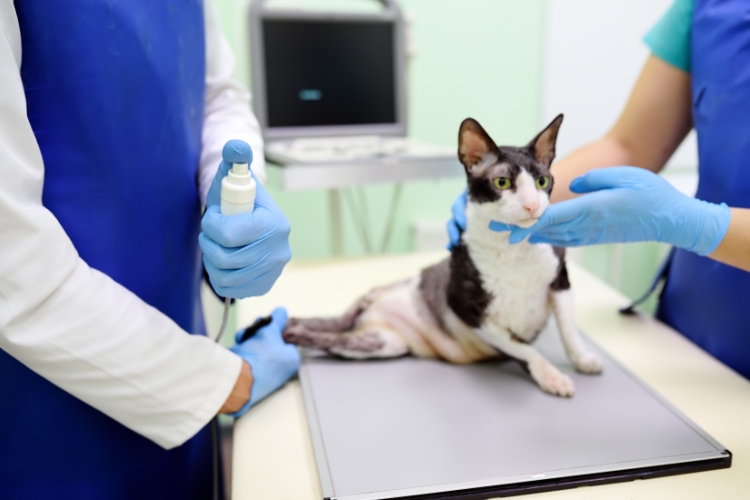
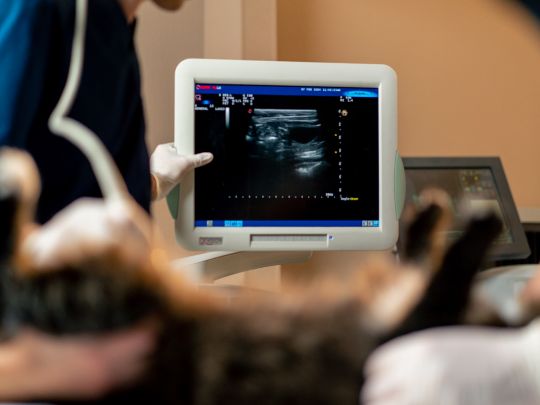
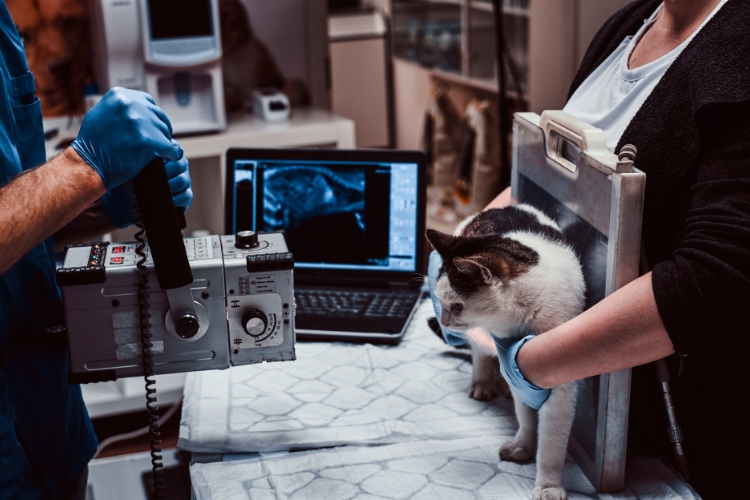
Imaging techniques like X-rays and ultrasounds are used to visualize internal structures such as bones, organs, and soft tissues. X-rays are particularly helpful in diagnosing fractures, joint problems, and conditions like hip dysplasia. Ultrasound allows veterinarians to examine soft tissues and organs, helping to diagnose conditions like tumors, heart disease, or digestive issues. Both X-rays and ultrasounds are essential for identifying internal problems that cannot be seen with the naked eye.
Fecal Tests
Fecal exams are performed to check for intestinal parasites, such as worms or Giardia, which can cause digestive issues and discomfort. Regular stool checks are especially important for puppies and kittens, who are more susceptible to parasitic infections.
Biopsies
In some cases, a veterinarian may recommend a biopsy to test suspicious lumps, tumors, or tissue abnormalities. A biopsy involves taking a small sample of tissue from the affected area and sending it to a lab for analysis. This test is essential for diagnosing cancer or other serious conditions that may not be apparent through imaging or blood tests.
4. How Often Should You Schedule Diagnostic Care for Your Pet?
The frequency of pet diagnostic care depends on your pet’s age, breed, and health status. In general, healthy adult pets should receive a check-up and diagnostic testing once a year. However, older pets or those with health issues may require more frequent visits. Here’s a basic guideline for scheduling diagnostic care:
- Puppies/Kittens (Under 1 Year): Monthly check-ups for vaccinations, deworming, and overall health assessments.
- Adults (1-7 Years): Annual exams and diagnostic tests such as blood work, fecal tests, and urine analysis.
- Senior Pets (7+ Years): Bi-annual exams and more frequent diagnostic testing, including blood work, urinalysis, and imaging to detect any age-related conditions.
Your veterinarian can recommend a customized diagnostic schedule based on your pet’s individual needs.
5. What Happens During a Diagnostic Visit?
During a pet diagnostic care visit, your veterinarian will perform a physical exam to assess your pet’s overall health. Based on this exam, they may recommend specific tests such as blood work, X-rays, or a fecal exam to identify any underlying conditions. The veterinarian will then discuss the results with you and create a treatment plan if necessary.
For example, if your pet is showing signs of arthritis or joint pain, your veterinarian may suggest X-rays or blood tests to evaluate the extent of the condition. If a health issue is detected, the veterinarian will work with you to develop a plan for treatment or management, which may include medications, lifestyle changes, or specialized therapies.
6. The Benefits of Early Diagnostic Care for Your Pet
There are several reasons why early diagnostic care is beneficial for your pet’s health:
- Prevention of serious health conditions: Early diagnosis allows for the timely treatment of health issues, preventing them from becoming more serious.
- Cost savings: Treating conditions early can often be less expensive than waiting until the problem becomes more severe and requires emergency care.
- Improved quality of life: Diagnosing health problems early leads to better treatment outcomes, which can significantly improve your pet’s quality of life.
Regular pet diagnostic care is an essential part of maintaining your pet’s health and well-being. By detecting health problems early, you can ensure that your pet receives timely treatment, leading to better outcomes and a longer, healthier life. Whether your pet is due for a routine check-up or exhibiting signs of illness, regular visits to your veterinarian are crucial for managing their health.
If you’re in Weaverville and looking for expert pet diagnostic care near you, schedule an appointment with Broad River Animal Hospital. Our veterinary team is dedicated to providing your pet with comprehensive diagnostic services and personalized care to ensure they stay healthy and happy.
FAQs
1. What is included in a pet diagnostic check-up?
A pet diagnostic check-up typically includes a physical exam, blood work, fecal test, and urine analysis to assess your pet’s overall health and detect any underlying conditions.
2. How often should my pet receive diagnostic care?
Healthy adult pets should receive an annual check-up and diagnostic care, while senior pets may require bi-annual visits. Puppies and kittens should have more frequent visits.
3. How can diagnostic care help my pet?
Diagnostic care helps detect health problems early, allowing for early intervention and better treatment outcomes. It can prevent more serious conditions from developing.
4. Are there any risks associated with diagnostic tests?
Diagnostic tests are generally safe, but as with any medical procedure, there are minimal risks. Your veterinarian will explain the procedures and any associated risks.
5. What happens if my pet’s diagnostic test results show a problem?
If a health issue is detected, your veterinarian will discuss the results and develop a treatment plan tailored to your pet’s condition, which may include medication, diet changes, or surgery.
6. Can diagnostic care prevent health problems in pets?
Yes, early diagnostic care helps catch health problems before they become severe. Prevention and early treatment are key to managing your pet’s health effectively.