


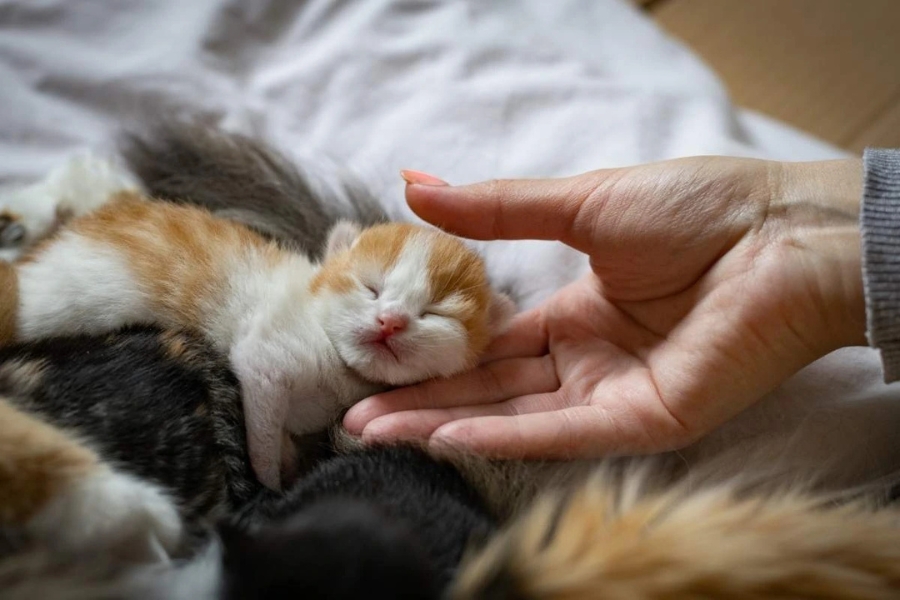
Bringing home a new kitten fills your heart with excitement. However, along with cuddles and playful moments comes responsibility. Your tiny feline companion needs time to adjust to unfamiliar surroundings, new routines, and different faces. Therefore, understanding how this transition works can make a significant difference in your kitten’s emotional and physical well-being.
The 3-3-3 Rule for kittens provides a simple and effective framework to guide new pet parents through the first three days, three weeks, and three months of adjustment. Instead of expecting instant bonding, this rule encourages patience, consistency, and structured support.
For families welcoming a new kitten in Weaverville, NC, understanding this rule can help you create a smoother transition from day one.
In this comprehensive guide, we will break down each stage of the 3-3-3 Rule, explain what behaviors to expect, and share practical steps you can take to support your kitten’s development.
What Is the 3-3-3 Rule for Kittens?
The 3-3-3 Rule outlines three essential adjustment milestones:
- First 3 Days: Initial decompression and observation
- First 3 Weeks: Building trust and routine
- First 3 Months: Full integration and confidence
Although every kitten is unique, this timeline provides realistic expectations. Moreover, it prevents frustration when your kitten hides or behaves shyly at first.
By understanding these stages, you actively support healthy kittens care habits from the very beginning.
Stage 1: The First 3 Days – The Adjustment Phase
The first three days often feel overwhelming for your kitten. After all, they have left their mother, littermates, or previous environment. Everything smells different. Every sound feels unfamiliar.
What to Expect
1. Hiding Behavior
Most kittens will hide under furniture or in corners. This is completely normal. Hiding helps them feel safe.
2. Reduced Appetite
Stress may reduce eating or drinking for the first 24–48 hours. While mild appetite changes are common, monitor closely.
3. Nervous Body Language
You may notice flattened ears, a lowered posture, or cautious movements.
What You Should Do
Create a Safe Space
Designate a small, quiet room with:
- Food and water bowls
- A clean litter box
- A soft bed
- A scratching post
This contained space prevents overstimulation and promotes comfort.
Limit Visitors
Although friends may want to meet your kitten immediately, keep interactions minimal. Calm surroundings reduce anxiety.
Use Gentle Interaction
Sit quietly nearby and speak softly. Allow your kitten to approach you instead of forcing contact.
At this stage, patience builds trust. Even though you may feel eager to bond, moving slowly strengthens long-term confidence.
Stage 2: The First 3 Weeks – Building Trust and Routine
After the initial three days, your kitten gradually becomes more curious. As comfort grows, exploration begins.
What to Expect
1. Increased Exploration
Your kitten may venture beyond their safe room. They will sniff furniture, investigate corners, and test boundaries.
2. Playful Energy
Kittens are naturally energetic. Expect bursts of play followed by naps.
3. Selective Socialization
While they may bond with you, strangers or other pets might still cause hesitation.
What You Should Do
Encourage Interactive Play
Use feather wands or soft toys. Play not only strengthens bonding but also supports healthy physical development.
Establish Feeding Routines
Feed at consistent times daily. Predictable schedules reduce stress and create stability.
Begin Gentle Handling
Touch paws, ears, and tail gently during calm moments. This early exposure helps future veterinary visits go smoothly.
Additionally, this is an ideal time to schedule your kitten’s first wellness exam. Early preventive care supports long-term health and allows you to ask questions about nutrition, vaccinations, and parasite prevention.
By week three, your kitten should feel safer. However, remember that adjustment remains ongoing.
Stage 3: The First 3 Months – Full Adjustment and Confidence
By three months, most kittens display noticeable confidence. They recognize routines, understand household patterns, and feel emotionally secure.
What to Expect
1. Stronger Bonding
Your kitten may follow you from room to room or curl beside you while resting.
2. Social Confidence
They will explore freely without hiding.
3. Behavioral Development
You may notice personality traits emerging—playful, independent, cuddly, or adventurous.
What You Should Do
Expand Socialization
Introduce new experiences gradually. Positive exposure builds resilience.
Introduce Basic Training
Teach litter consistency, scratching post use, and simple cues. Use positive reinforcement rather than punishment.
Maintain Structured Care
Regular feeding, grooming, and play sessions reinforce security.
At this point, you are practicing consistent kittens care routines that shape lifelong habits.
Why the 3-3-3 Rule Matters
Without realistic expectations, new pet parents may feel discouraged. For example, you might wonder why your kitten hides or avoids interaction. However, this behavior is part of natural adjustment.
The 3-3-3 Rule matters because it:
- Promotes patience
- Encourages structured bonding
- Reduces stress-related behaviors
- Supports emotional well-being
Moreover, understanding this process helps you respond calmly instead of reacting with frustration.
Additional Tips for a Smooth Kitten Transition
1. Schedule Early Veterinary Care
Within the first week, arrange a wellness check. Early exams ensure vaccinations stay on schedule and detect potential concerns quickly.
2. Kitten-Proof Your Home
Remove hazards such as:
- Loose electrical cords
- Toxic houseplants
- Small swallowable objects
Safety always comes first.
3. Provide Mental Stimulation
Interactive toys, climbing trees, and puzzle feeders prevent boredom. Mental engagement reduces destructive behavior.
4. Monitor Eating and Drinking
If your kitten refuses food for more than 48 hours, contact your veterinarian promptly.
5. Keep the Litter Box Clean
Clean daily. A dirty litter box may discourage proper use.
By following these steps, you actively support emotional balance and physical health.
Local Support for New Kitten Owners
Adjusting to kitten parenthood can feel overwhelming at times. Fortunately, professional veterinary guidance makes the journey easier. Regular checkups, nutritional counseling, and preventive care all contribute to long-term wellness.
At Broad River Animal Hospital, our veterinary team understands the unique needs of growing kittens. We provide compassionate care and practical guidance tailored to your pet’s development.
The 3-3-3 Rule for kittens offers a realistic roadmap for your new pet’s transition. During the first three days, focus on calm and safety. Over three weeks, build trust and routine. By three months, expect a confident and affectionate companion.
Every kitten adjusts at their own pace. Therefore, patience and consistency remain essential. When you support emotional security early, you lay the foundation for a lifetime of companionship.
If you are in Weaverville and need guidance related to 3-3-3 rule for Kittens, book an appointment with Broad River Animal Hospital. Our veterinary team is dedicated to helping your kitten grow into a healthy, confident member of your family.
FAQs
Q1. What is the 3-3-3 Rule for kittens?
Ans. The 3-3-3 Rule explains the typical adjustment timeline after bringing a kitten home: three days to decompress, three weeks to build trust, and three months to feel fully comfortable and bonded.
Q2. Is it normal for my kitten to hide during the first few days?
Ans. Yes, hiding is completely normal. Your kitten is adjusting to a new environment. Provide a quiet, secure space and allow them to approach you at their own pace.
Q3. When should I take my new kitten to the veterinarian?
Ans. You should schedule a wellness exam within the first week of bringing your kitten home. Early checkups ensure proper vaccinations, parasite prevention, and overall health monitoring.
Q4. How can I help my kitten adjust faster to my home?
Ans. Maintain a consistent routine, offer gentle interaction, provide interactive toys, and avoid overwhelming them with too many visitors early on.
Q5. What are signs that my kitten is stressed?
Ans. Common signs include hiding, reduced appetite, excessive meowing, flattened ears, and avoiding interaction. If these signs continue beyond a few days, consult your veterinarian.
Q6. How do I safely introduce my kitten to other pets?
Ans. Introduce pets gradually. Start with scent swapping, then allow supervised short meetings. Positive reinforcement and patience help create a smooth transition.
Related Articles