

When your pet isn’t feeling well, one of the first questions many pet owners ask is “Does my pet really need all these tests?” It’s a fair concern. Diagnostic testing plays a key role in identifying what’s wrong, but it’s never a one-size-fits-all process.
Veterinarians follow a thoughtful, step-by-step approach to determine exactly which diagnostic tests are necessary and just as importantly, which ones aren’t.
This guide breaks down how those decisions are made, so you can feel confident and informed every step of the way.
Why Diagnostic Testing Matters
Diagnostic tests are tools that help vets look beneath the surface. Pets can’t explain what they’re feeling, and many conditions don’t show obvious signs early on.
Testing helps:
- Detect problems early
- Confirm or rule out conditions
- Guide the right treatment plan
- Monitor ongoing health issues
Early detection is especially important because it allows treatment to begin sooner, improving outcomes and often reducing long-term costs.
Step 1: Starting With a Physical Exam
Every diagnostic decision begins with a hands-on physical exam.
The veterinarian checks:
- Weight, temperature, and heart rate
- Eyes, ears, skin, and coat
- Movement and posture
- Breathing and abdominal comfort
This initial evaluation often provides valuable clues. For example, limping may suggest an injury, while unexplained weight loss could point to an internal issue.
In many cases, the physical exam alone helps narrow down possible causes, meaning fewer unnecessary tests.
Step 2: Listening to Your Observations
You know your pet better than anyone, which is why your input is a critical part of the diagnostic process.
The vet may ask:
- When did the symptoms start?
- Has your pet’s appetite changed?
- Any vomiting, coughing, or unusual behavior?
- Has anything changed at home or in routine?
These details help guide decisions. For example:
- Sudden vomiting may require different tests than ongoing digestive issues
- Behavioral changes may point toward pain or neurological concerns
Clear and detailed answers allow the vet to focus on the most relevant tests.
Step 3: Prioritizing the Most Likely Causes
Veterinarians don’t run every possible test. Instead, they focus on the most likely explanations first.
This process involves creating a short list of possible conditions based on:
- Symptoms
- Age and breed
- Medical history
- Lifestyle (indoor vs. outdoor, diet, activity level)
From there, the vet selects tests that can quickly confirm or rule out those top possibilities.
Step 4: Choosing the Right Type of Test
Different conditions require different tools. Common diagnostic options include:
Laboratory Testing
Blood tests and related lab work are often the first step. They help assess organ function, detect infections, and uncover underlying conditions.
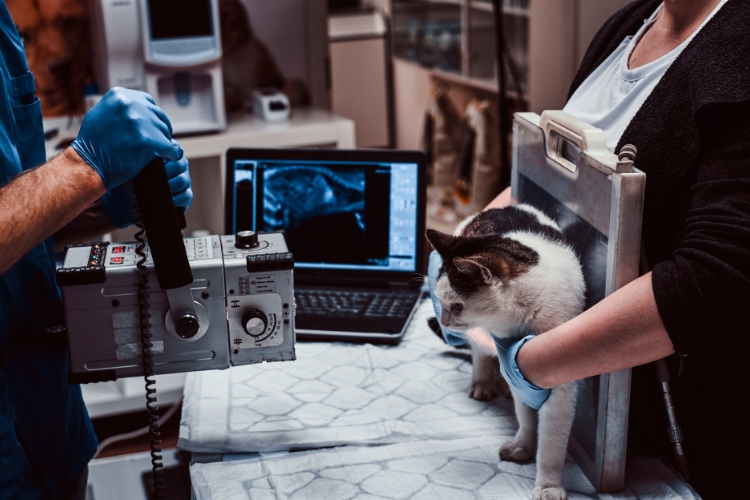
Digital X-rays
X-rays provide clear images of bones and internal structures, helping identify fractures, blockages, or abnormalities.
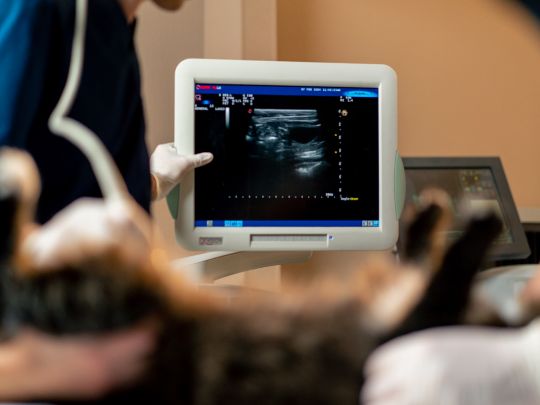
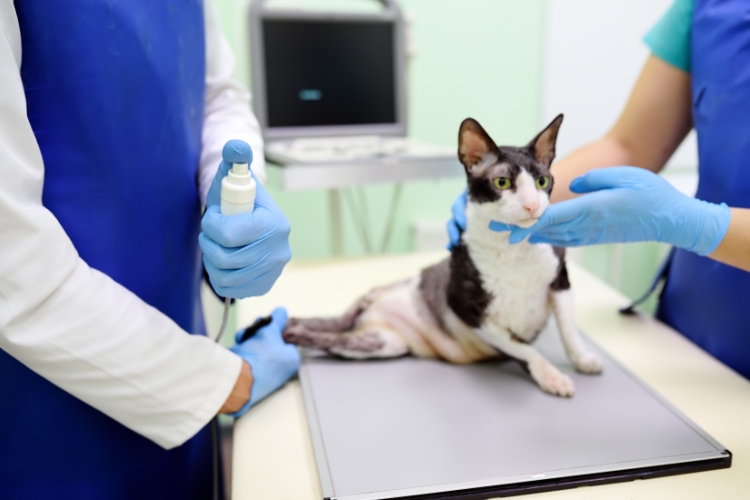
Ultrasound Imaging
Ultrasound allows veterinarians to view soft tissues and organs in real time, making it useful for evaluating the heart and abdominal organs.
Each test serves a specific purpose, and the vet chooses the one that offers the most useful information with the least stress for your pet.
Step 5: Balancing Accuracy With Comfort
Your pet’s comfort and safety are always part of the decision-making process.
Veterinarians consider:
- Whether a test requires sedation
- How stressful the procedure may be
- The urgency of the situation
For example, a simple blood test is often chosen first because it is quick and minimally invasive. More advanced testing is only recommended when necessary.
Step 6: Considering Cost Without Compromising Care
Cost is an important factor for many pet owners.
Instead of recommending every test at once, veterinarians often:
- Start with the most essential tests
- Use results to guide the next steps
- Offer options based on your budget
This step-by-step approach ensures your pet receives appropriate care while avoiding unnecessary expenses.
Open communication is key. Don’t hesitate to ask about priorities or alternative options.
Step 7: Using Results to Guide Next Steps
Diagnostic testing is not just about finding answers. Once results are available, the veterinarian will:
- Explain what the findings mean
- Confirm or adjust the diagnosis
- Recommend the next steps
Sometimes, one test provides enough information. Other times, additional testing may be needed for clarity.
Step 8: Monitoring and Follow-Up
In some cases, diagnostic testing continues beyond the initial visit.
Follow-up tests may be needed to:
- Track how your pet is responding to treatment
- Adjust medications
- Monitor long-term conditions
Routine testing is also part of preventive care. Regular screenings can catch health issues early, even before symptoms appear.
Common Situations Where Testing is Needed
Diagnostic testing is often recommended when pets show:
- Sudden changes in behavior
- Loss of appetite or weight
- Vomiting or diarrhea
- Breathing difficulties
- Limping or mobility issues
- Skin or ear concerns
These signs may seem minor, but they can point to underlying problems that require attention.
Things That Make a Diagnostic Plan Right for Your Pet
The right diagnostic plan is:
- Personalized – based on your pet’s specific condition
- Focused – targeting the most likely causes
- Efficient – avoiding unnecessary procedures
- Transparent – clearly explained to you
A thoughtful approach ensures your pet gets the care they need without added stress or confusion.
How You Can Help the Process
You play an important role in your pet’s health.
To support accurate diagnosis:
- Track any changes in behavior or appetite
- Share detailed observations
- Follow any pre-test instructions
- Ask questions if something is unclear
Good communication helps the veterinarian make faster, more accurate decisions.
Get The Right Tests at the Right Time
Diagnostic testing is about running the right tests at the right time. Veterinarians combine experience, careful observation, and modern tools to make informed decisions that prioritize your pet’s well-being. With the right approach, testing becomes a powerful way to detect issues early and guide effective treatment.
If your pet is showing signs of illness or it’s time for a routine checkup, don’t wait to seek veterinary care. Early action can make all the difference in your pet’s health and comfort. Contact Broad River Animal Hospital today to ensure your pet receives the attentive, personalized care they deserve.
FAQs
1. How do vets decide which test to run first?
Vets begin with the most likely cause based on symptoms and the physical exam. They usually start with simple tests that provide quick insights before considering more advanced diagnostics.
2. Can I choose which tests my pet gets?
Yes, you can discuss all options with the vet. They will explain what each test does and help you prioritize based on your pet’s needs and your budget.
3. Are diagnostic tests uncomfortable for pets?
Most basic tests, like bloodwork, cause minimal discomfort. If a test is expected to be stressful, the vet may recommend sedation to keep your pet calm and safe.
4. Why might my pet need more than one test?
Some conditions require multiple tests to confirm a diagnosis. Each test provides a different piece of information to build a complete picture of your pet’s health.
5. How quickly will I get test results?
Many clinics provide same-day results for basic tests. More specialized testing may take a few days, depending on the type of analysis required.
6. Is testing necessary if my pet seems only slightly unwell?
Even mild symptoms can signal early health issues. Testing helps identify problems before they become more serious, making treatment easier and more effective.
7. What happens if test results are normal but symptoms continue?
If results are normal, the vet may recommend additional tests or monitoring, which helps ensure that nothing is overlooked and that your pet receives the right care.