


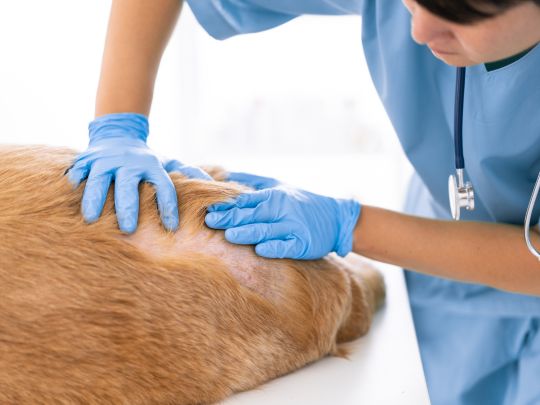
As pet owners, we want nothing more than for our furry companions to be happy and healthy. However, just like humans, dogs and cats can experience pain due to injuries, surgery, or chronic conditions. Managing pain is a critical part of your pet’s well-being, and it’s essential that pain is treated safely and effectively. Pet pain management is a key component of veterinary care, allowing pets to recover from injury or illness and maintain their quality of life.
This blog, especially for pet owners in Weaverville, NC, will explain how veterinarians safely manage pain in dogs and cats. We’ll explore the types of pain pets experience, the methods used to manage pain, and how you can help ensure your pet’s comfort during recovery. Whether your pet is recovering from surgery or suffering from chronic conditions like arthritis, this guide will provide valuable insights into pain management for your furry friend.
1. Understanding Pain in Pets
Pain is a natural response to injury or illness, but when left unmanaged, it can negatively impact your pet’s health and happiness. Unlike humans, pets cannot verbally communicate their pain, making it even more important for pet owners to recognize the signs of pain and seek appropriate treatment.
Acute vs. Chronic Pain
Pain can be categorized into two types:
- Acute Pain: Acute pain is typically short-term and the result of a specific injury, surgery, or illness. It can be intense, but it usually resolves once the underlying issue is treated. Examples include pain after surgery or a fractured bone.
- Chronic Pain: Chronic pain is long-term pain that often results from conditions such as arthritis, hip dysplasia, or dental disease. Chronic pain can be ongoing and may require ongoing management to improve your pet’s quality of life.
Signs of Pain in Pets
Recognizing the signs of pain in dogs and cats is essential for timely treatment. Common signs include:
- Behavioral Changes: A pet in pain may become more withdrawn, aggressive, or irritable.
- Limping or Favoring a Limb: Pets with injuries may limp or avoid putting weight on a limb.
- Loss of Appetite: Pain can make it difficult for pets to eat, leading to decreased appetite.
- Vocalization: Dogs and cats in pain may whine, cry, or growl in response to discomfort.
- Increased Panting or Breathing Difficulty: Dogs in pain may pant more frequently, while cats may breathe more heavily or rapidly.
If you notice any of these signs, it’s important to consult your veterinarian for a proper diagnosis and pain management plan.
2. How Veterinarians Manage Pain Safely
Veterinarians use a variety of techniques to manage pain in dogs and cats, depending on the type and severity of the pain. The goal of pet pain management is not only to relieve discomfort but also to support the pet’s healing process and maintain their quality of life.
Medications for Pain Relief
The most common approach to managing pet pain is through medication. Several types of pain medications are used, depending on the nature of the pain:
- Non-Steroidal Anti-Inflammatory Drugs (NSAIDs): These are commonly prescribed for conditions like arthritis or injuries. NSAIDs reduce inflammation and provide pain relief. Common NSAIDs for pets include carprofen and meloxicam.
- Opioids: For more severe pain, opioids like tramadol may be prescribed. These are typically used for post-surgical pain or injuries that cause significant discomfort.
- Corticosteroids: These drugs are used to reduce inflammation and are typically prescribed for conditions like allergies or autoimmune disorders. However, they are used cautiously in pets due to potential side effects.
Veterinarians will carefully choose the appropriate medication based on your pet’s condition, age, and health history. It’s crucial to follow the prescribed dosage and never give human pain relievers to your pets, as they can be toxic to animals.
Physical Therapy and Rehabilitation
In addition to medication, physical therapy plays an essential role in managing pain and promoting healing. Physical therapy can help improve mobility, reduce stiffness, and alleviate muscle tension. Here are some examples of physical therapy techniques used for pain management:
- Massage Therapy: Massage can relieve muscle tightness, improve circulation, and promote relaxation in pets.
- Cold and Heat Therapy: Cold therapy reduces inflammation, while heat therapy helps relax muscles and increase blood flow. Both can be beneficial for pain relief in conditions like arthritis.
- Range-of-Motion Exercises: These exercises help improve joint flexibility and muscle strength, which can be especially beneficial for pets recovering from surgery or injury.
Laser Therapy
Laser therapy, also known as cold laser therapy, is a non-invasive treatment that uses light energy to stimulate healing at the cellular level. This therapy helps reduce inflammation, relieve pain, and promote tissue repair. Laser therapy is commonly used for musculoskeletal pain, such as arthritis or joint injuries.
Many pets find laser therapy to be soothing and relaxing. The treatment is painless, and pets often enjoy the process. Laser therapy is typically used in conjunction with other treatments, such as medication or physical therapy.
Acupuncture
Acupuncture is an alternative treatment that has gained popularity in veterinary care. It involves inserting thin needles into specific points on the body to stimulate the nervous system and release natural pain-relieving chemicals in the body. Acupuncture can be highly effective for managing chronic pain, such as arthritis or nerve-related pain, and is often used alongside other treatments to enhance results.
Weight Management
Obesity is a significant risk factor for chronic pain in pets, especially in joint-related conditions like arthritis. Extra weight puts additional strain on your pet’s joints, making pain management more difficult. By maintaining a healthy weight, you can help reduce the stress on your pet’s body, making pain management more effective.
Your veterinarian can help you develop a healthy eating plan and exercise routine tailored to your pet’s needs. Weight management is an important part of pet pain management, especially for older pets or those with chronic conditions.
3. How to Help Your Pet Recover from Surgery or Injury
After surgery or an injury, your pet will need time to recover. As a pet parent, it’s important to provide the right care and support during this time to ensure a smooth and comfortable recovery.
Limit Physical Activity
After surgery or injury, your pet will need to rest and limit their activity level. Preventing your pet from jumping or running will reduce the risk of complications and allow the body to heal properly. You may need to keep your pet confined to a crate or a small room for several days or weeks, depending on the severity of the surgery or injury.
Follow Pain Management Instructions
Your veterinarian will prescribe pain medications to help manage your pet’s discomfort during recovery. Make sure to follow the dosage instructions carefully, and never give your pet any over-the-counter medication designed for humans. Stick to the prescribed medication and schedule to ensure your pet’s pain is managed effectively.
Monitor the Incision Site
If your pet has had surgery, it’s essential to monitor the incision site regularly for signs of infection or irritation. Watch for swelling, redness, or discharge, and contact your veterinarian if any of these symptoms occur. You may need to use an Elizabethan collar (cone) to prevent your pet from licking or biting the incision.
Provide Emotional Support
Recovering from surgery or injury can be stressful for your pet. Provide plenty of comfort and reassurance during their recovery. Spend extra time with them, offering gentle petting and speaking in soothing tones. Your presence will help calm your pet and reduce anxiety during this healing period.
4. Signs Your Pet May Need Pain Management
While some level of discomfort is expected after surgery or injury, there are signs that indicate your pet’s pain is not being managed adequately. Look out for the following signs:
- Limping or Favoring a Limb: This could indicate that your pet is in pain from an injury or surgery.
- Behavioral Changes: Pets in pain may become more aggressive, withdrawn, or anxious.
- Loss of Appetite: If your pet refuses to eat or drink for an extended period, they may be experiencing pain or discomfort.
- Excessive Licking or Chewing: Pets may lick or chew at the affected area if they are in pain.
- Excessive Panting or Difficulty Breathing: This could be a sign of pain or distress.
If you notice any of these signs, consult your veterinarian to ensure your pet’s pain is properly managed.
Managing pain in dogs and cats is an essential part of ensuring they lead happy, healthy lives. Whether your pet is recovering from surgery, dealing with a chronic condition, or experiencing an injury, pet pain management techniques such as medication, physical therapy, laser therapy, and acupuncture can help provide relief and comfort.
If you’re in Weaverville and looking for pet pain management near you, schedule an appointment with Broad River Animal Hospital. Our veterinary team is dedicated to providing the highest level of care for your pet, ensuring they remain comfortable and healthy throughout their recovery.
FAQs
1. How do I know if my pet is in pain?
Signs of pain in pets include limping, vocalizing, behavioral changes, loss of appetite, and excessive licking or chewing at a specific area.
2. What are the most common pain management methods for pets?
Common pain management methods include medications (NSAIDs, opioids), physical therapy, laser therapy, acupuncture, and weight management.
3. Is laser therapy safe for pets?
Yes, laser therapy is a safe and non-invasive treatment that helps to reduce pain, inflammation, and promote healing. Many pets find it soothing.
4. Can I give my pet human pain medication?
No, human pain medications, such as ibuprofen or acetaminophen, are toxic to pets. Always follow your veterinarian’s prescribed medication plan.
5. How long does it take for a pet to recover from surgery?
Recovery time varies depending on the type of surgery. Minor surgeries may take a week, while more complex surgeries may require several weeks of recovery.
6. How can I help my pet manage pain during recovery?
Follow your veterinarian’s instructions for pain medication, limit activity, monitor the surgical site, and provide comfort and reassurance during the healing process.
Related Articles