

Bringing a puppy into your home is a joyful experience, but it also comes with significant responsibilities. As a new puppy owner, you may find yourself navigating through a mix of excitement, confusion, and curiosity about how to best care for your new furry friend. Proper puppy care during their first year is essential to ensure they grow up to be healthy, well-behaved, and happy adult dogs.
From feeding and grooming to socialization and training, there are several aspects of puppy care you need to be aware of. This blog is especially for puppy owners in Weaverville, NC, who want to understand how to provide the best care for their new puppies. Whether you’re a first-time puppy parent or adding a new puppy to your family, this guide will help you prepare for the rewarding journey ahead.
1. Preparing Your Home for Your New Puppy
Before bringing your new puppy home, it’s important to prepare your living space to ensure it is safe, comfortable, and suitable for a curious, energetic puppy. A well-prepared home helps your puppy adjust quickly and feel comfortable in their new environment.
Key Preparations:
- Create a Safe Space: Set up a designated area for your puppy to call their own. This area should have a soft bed, food and water bowls, toys, and a litter box or puppy pads if needed. A crate can also serve as a safe space for your puppy to relax.
- Puppy-Proof Your Home: Puppies are naturally curious and tend to explore everything. Remove small objects that could be a choking hazard, secure electrical cords, and keep toxic plants out of their reach. Ensure your puppy’s environment is safe for them to explore.
- Gather Essential Supplies: Before bringing your puppy home, make sure you have all the essential supplies ready. These include a collar, leash, crate, toys, food and water bowls, puppy food, grooming tools, and a scratching post (for dogs prone to chewing).
Setting up a safe and comfortable space for your puppy will help them settle in more quickly and reduce stress in the early days.
2. Feeding Your Puppy
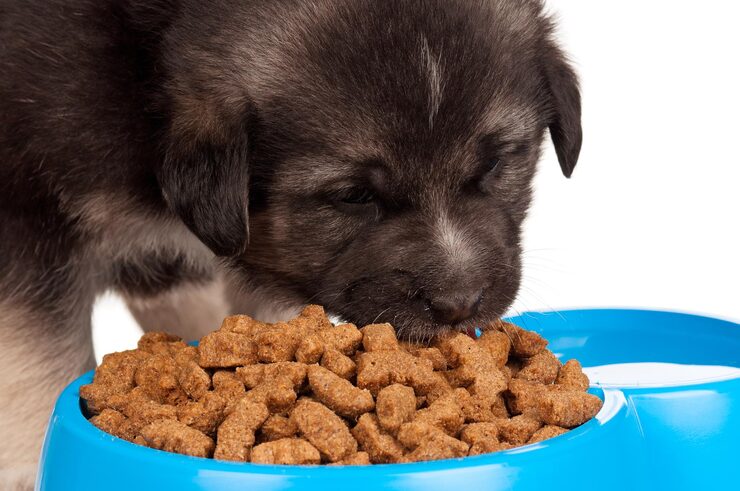
Feeding your puppy the right type of food is one of the most important aspects of puppy care. Puppies need a diet that is rich in nutrients to support their rapid growth and development. You should choose high-quality food that provides the necessary vitamins and minerals for healthy bone growth, immune system support, and overall development.
What to Feed Your Puppy:
- Puppy-Specific Food: Make sure to feed your puppy food specifically formulated for their growth stage. Puppy food contains higher protein and fat levels compared to adult dog food, which is essential for their development.
- Meal Frequency: Puppies need to eat more frequently than adult dogs. Typically, you should feed your puppy 3 to 4 meals a day during their first few months. As they grow, you can transition to 2 meals a day.
- Portion Control: Follow the portion guidelines on the puppy food packaging or your veterinarian’s recommendations to ensure your puppy receives the right amount of nutrition. Overfeeding can lead to obesity, while underfeeding can cause growth deficiencies.
Always provide your puppy with fresh water throughout the day to keep them hydrated and promote healthy digestion.
3. Litter Training and Potty Training Your Puppy
Potty training is one of the first challenges you will face as a new puppy owner. With patience and consistency, you can successfully train your puppy to use the bathroom in the appropriate place.
Tips for Potty Training:
- Set a Routine: Take your puppy outside frequently, especially after meals, naps, and playtime. This helps them understand the routine and learn when and where to go potty.
- Reward Good Behavior: Whenever your puppy goes potty outside, reward them with praise and a small treat. Positive reinforcement is key to successful potty training.
- Crate Training: A crate can be a helpful tool in potty training. Puppies naturally avoid soiling their sleeping area, so crate training can encourage them to hold it until they are let outside.
Potty training may take time, but with consistency and positive reinforcement, your puppy will catch on quickly.
4. Socializing Your Puppy
Socialization is one of the most important aspects of puppy care. Proper socialization helps your puppy grow into a confident, well-adjusted adult dog who is comfortable around other pets, people, and different environments. Socialization should begin as early as possible to avoid behavioral problems down the road.
How to Socialize Your Puppy:
- Exposure to Different Environments: Gently introduce your puppy to various environments, sounds, and smells. Take them on walks in different locations, or bring them to pet-friendly public spaces so they can get used to new sights and sounds.
- Meet Other Dogs and Pets: Arrange playdates with other friendly dogs and pets to help your puppy develop proper social skills. Ensure these encounters are calm and controlled so your puppy feels safe.
- Introduce to New People: Expose your puppy to people of different ages and appearances. Encourage gentle interactions, but don’t force your puppy if they seem nervous.
Proper socialization will help your puppy grow up to be a friendly, well-behaved dog who enjoys interacting with others.
5. Grooming Your Puppy
Regular grooming is an essential part of puppy care. Grooming helps keep your puppy clean, comfortable, and free from parasites like fleas or ticks. It also gives you a chance to bond with your puppy while checking for any skin issues or injuries.
Grooming Tips:
- Brushing: Start brushing your puppy’s fur early on to get them used to the process. Use a soft brush that is appropriate for their coat type to avoid irritation.
- Bathing: Puppies don’t need frequent baths unless they get into something messy. When you do bathe them, use a puppy-safe shampoo to protect their sensitive skin.
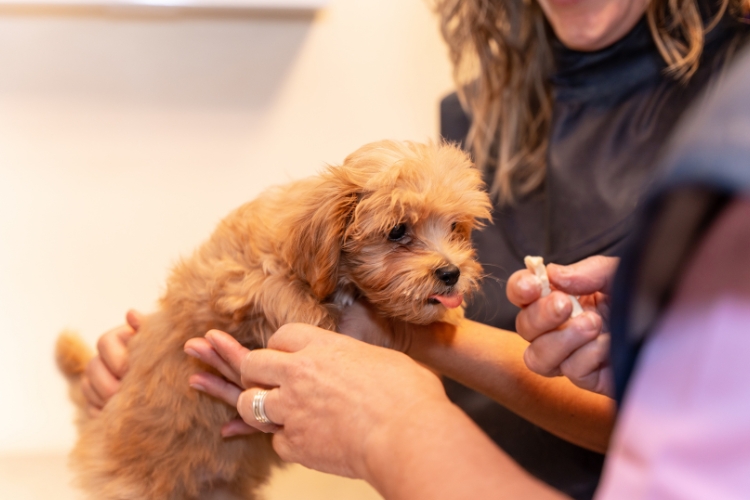
- Nail Trimming: Trim your puppy’s nails regularly to prevent them from becoming too sharp or long. Puppies’ nails grow quickly, and regular trimming will prevent discomfort.
Establishing a regular grooming routine will keep your puppy looking and feeling their best.
6. Training Your Puppy
Training your puppy is essential for establishing good behavior and promoting positive habits. Start with basic commands and work your way up to more advanced training as your puppy grows.
Basic Training Tips:
- Teach Basic Commands: Start with simple commands like “sit,” “stay,” “come,” and “down.” Use positive reinforcement, such as treats and praise, to reward your puppy.
- Socialization with Other Pets: Introduce your puppy to other pets in a controlled environment. This helps prevent behavioral issues and encourages positive interactions with other animals.
- Leash Training: Start leash training early by getting your puppy used to wearing a collar or harness and walking on a leash. This will make walks more enjoyable for both of you.
Training should be consistent, patient, and fun. Your puppy will learn quickly if you use positive reinforcement and set clear boundaries.
Taking care of a puppy requires time, patience, and love. By following these essential tips for puppy care, you can ensure that your puppy grows up to be a happy, healthy, and well-adjusted adult dog. If you’re in Weaverville, NC, and looking for expert puppy care near you, schedule an appointment with Broad River Animal Hospital. Our veterinary team is dedicated to providing the best care for your puppy, from vaccinations and health check-ups to training and socialization. Schedule an appointment with us today to ensure your puppy has the best start in life.
FAQs
1. When can I bring my puppy home?
You can bring your puppy home at 8-12 weeks of age, once they are fully weaned and ready for socialization and training.
2. What should I feed my puppy?
Feed your puppy high-quality, puppy-specific food that is rich in protein and essential nutrients. Your veterinarian can recommend the best food for your puppy’s needs.
3. How often should I feed my puppy?
Puppies should be fed 3-4 times a day during the first few months. As they grow, you can reduce the number of meals to 2 per day, but always provide fresh water.
4. How do I know if my puppy is sick?
Signs of illness include lethargy, loss of appetite, diarrhea, vomiting, or coughing. If your puppy shows any of these symptoms, contact your veterinarian.
5. When should I spay or neuter my puppy?
Puppies should be spayed or neutered around 5-6 months of age. This helps prevent unwanted litters and can improve their long-term health.
6. How do I socialize my puppy?
Gradually expose your puppy to different environments, people, and other pets. Positive interactions will help them become comfortable and well-adjusted.
Related Articles