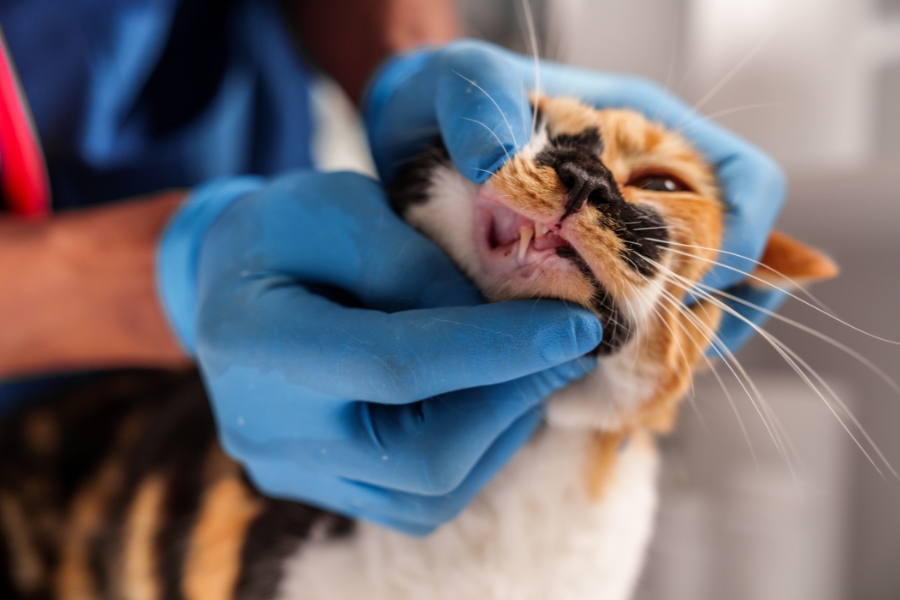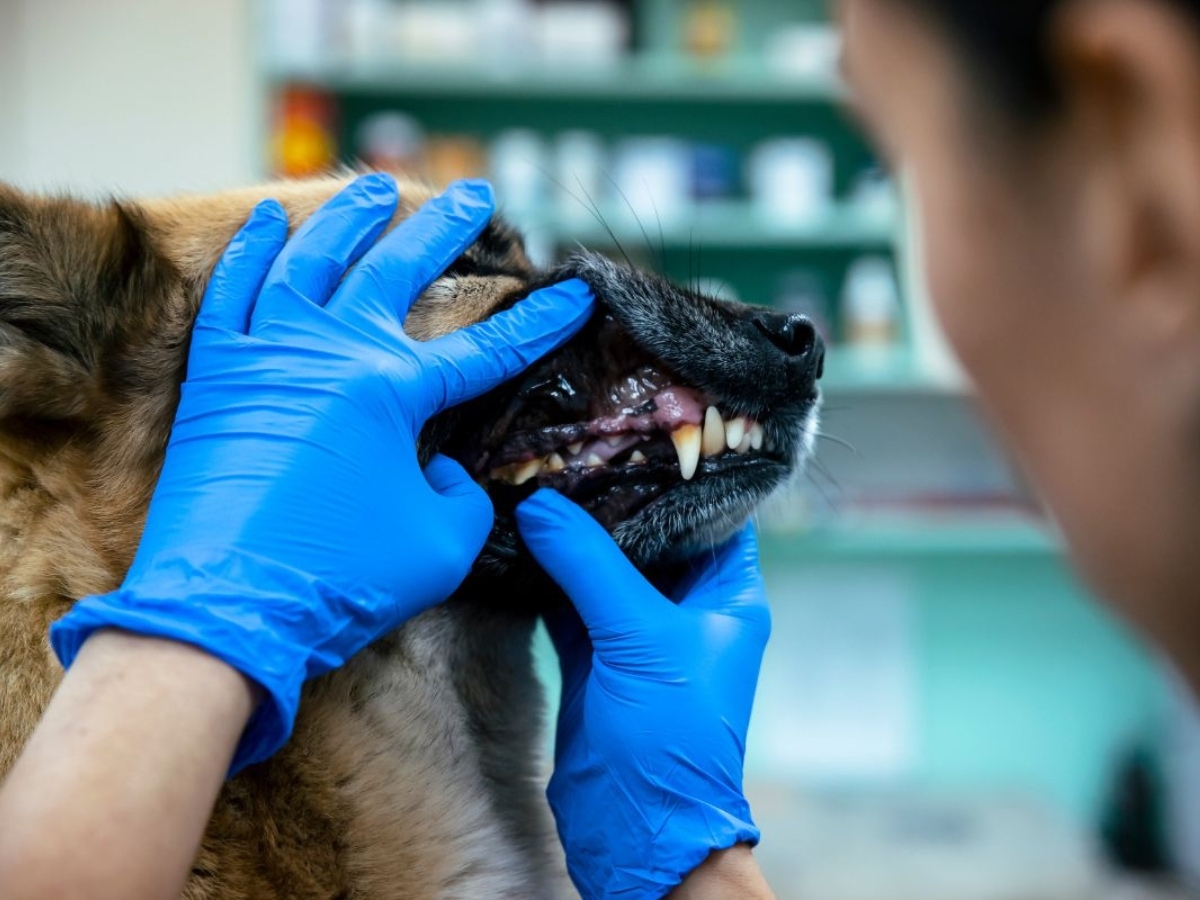


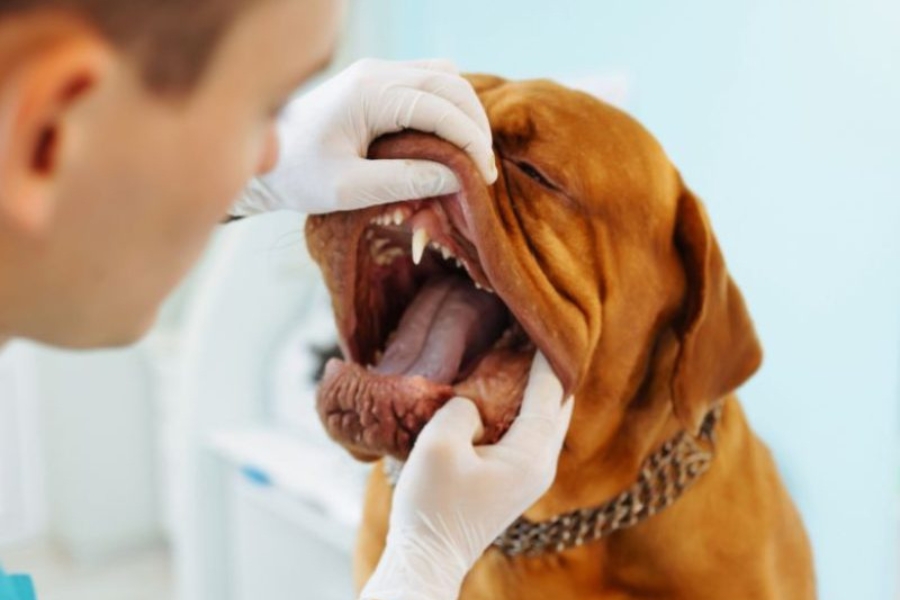
Bad breath in dogs often starts as a minor nuisance. However, when the odor becomes persistent, it may signal deeper health concerns that deserve attention. Many pet parents assume that “dog breath” is normal, yet chronic foul smells usually indicate underlying dental or medical problems. Fortunately, with proper care and awareness, you can significantly improve your dog’s oral health and overall well-being.
Dental hygiene plays a vital role in your dog’s quality of life. When plaque and bacteria accumulate in the mouth, they don’t just affect breath—they can lead to pain, infections, and systemic illness. Therefore, understanding the causes of bad breath and learning how to prevent it empowers you to protect your pet long-term. This guide is especially helpful for pet owners who want to keep their dogs healthy and comfortable in Weaverville, NC.
Understanding the Importance of Canine Oral Health
Your dog uses their mouth for eating, playing, grooming, and exploring the world. As a result, oral health directly affects daily comfort and happiness. When dental hygiene slips, bacteria thrive, producing unpleasant odors and causing inflammation.
Poor oral hygiene doesn’t stay limited to the mouth. Over time, bacteria can enter the bloodstream and affect major organs, including the heart, liver, and kidneys. Because of this, consistent dental routines are not optional—they are essential. A structured dog dental care plan helps reduce plaque buildup, protects gums, and keeps breath fresher.
Moreover, dogs often hide discomfort. Even when dental disease progresses, many dogs continue eating normally, making it harder for owners to notice a problem early. That’s why prevention and routine checks matter so much.
Common Causes of Bad Breath in Dogs
Periodontal Disease
Periodontal disease remains the leading cause of bad breath in dogs. It begins when plaque hardens into tartar along the gumline. As bacteria multiply, gums become inflamed and infected, releasing a strong odor.
If untreated, periodontal disease damages the structures supporting the teeth. Eventually, this can lead to tooth loss and chronic pain. Even worse, bacteria from the mouth can spread throughout the body, increasing health risks.
Dental Decay
Although cavities are less common in dogs than humans, they still occur. Food particles and bacteria weaken tooth enamel over time, leading to decay. Once decay sets in, bacteria thrive in damaged areas, worsening breath and discomfort.
Gum Disease (Gingivitis)
Gingivitis develops when plaque irritates the gums. Early signs include redness, swelling, and bleeding. At this stage, breath often smells unpleasant but improves with proper treatment. However, without care, gingivitis can progress into advanced gum disease.
Veterinary professionals often observe that active breeds face higher risks due to chewing habits and environmental exposure. Routine cleanings help reduce long-term complications.
Oral Tumors or Abnormal Growths
In some cases, persistent bad breath may result from oral tumors or growths. These may affect the tongue, gums, or inner cheeks. Because early symptoms can be subtle, foul breath may be one of the first noticeable signs. Immediate veterinary evaluation is crucial in these situations.
Foreign Objects Lodged in the Mouth
Dogs love chewing. Unfortunately, sticks, bones, or toy fragments can become trapped between teeth or embedded in the gums. These objects cause irritation, infection, and odor if left untreated. Regular mouth checks help prevent this issue.
Kidney Disease
When kidneys struggle to filter toxins, waste products exit through the breath, creating a distinct ammonia-like smell. This condition, often called uremic breath, requires prompt veterinary attention since it signals a systemic health problem.
How to Manage and Prevent Bad Breath in Dogs
Brush Your Dog’s Teeth Consistently
Brushing remains one of the most effective ways to maintain oral health. Using dog-specific toothpaste, brushing removes plaque before it hardens into tartar. Ideally, you should brush several times a week.
Start slowly, especially if your dog is new to brushing. Short, positive sessions help build trust and cooperation. Over time, brushing becomes part of a comfortable routine.
Offer Dental Chews and Safe Toys
Dental chews support oral hygiene by reducing plaque buildup through chewing action. Choose products designed to promote dog dental care, as they clean teeth while satisfying natural chewing instincts.
Additionally, textured toys help massage gums and improve circulation. However, always select safe, size-appropriate items to prevent choking or tooth fractures.
Schedule Regular Veterinary Exams
Routine veterinary visits allow professionals to assess oral health thoroughly. During exams, vets identify early signs of dental disease and recommend appropriate treatments. Professional cleanings remove stubborn tartar that brushing alone cannot eliminate.
Dogs benefit greatly from these preventive visits, as early detection minimizes discomfort and reduces future costs.
Pay Attention to Diet Choices
Diet directly affects oral health. High-quality dog food formulated for dental support helps limit plaque accumulation. Some diets include specially shaped kibble that mechanically cleans teeth as dogs chew.
Avoid sugary treats or table scraps, as they promote bacterial growth. Instead, ask your veterinarian about dental-supportive foods or supplements tailored to your dog’s needs.
Consider Professional Dental Cleanings
When home care isn’t enough, professional cleanings become necessary. These procedures involve thorough scaling and polishing under anesthesia, ensuring deep cleaning beneath the gumline.
Professional cleanings not only improve breath but also prevent serious infections and tooth loss. Your veterinarian will advise how often your dog needs this service based on age, breed, and oral condition.
When to Seek Veterinary Care for Bad Breath
Bad breath doesn’t always mean a simple dental issue. You should consult a veterinarian if foul odors persist or appear alongside other symptoms, including:
- Loss of appetite
- Excessive drooling
- Bleeding or swollen gums
- Weight loss
- Behavioral changes such as lethargy or irritability
- Vomiting or diarrhea
Prompt evaluation ensures that underlying health issues receive timely treatment.
Maintaining Fresh Breath and Healthy Teeth Long-Term
Consistency makes all the difference. By combining brushing, proper nutrition, dental chews, and routine veterinary care, you create a strong foundation for lifelong oral health. Dogs with healthy mouths feel better, eat comfortably, and enjoy daily activities more fully.
Additionally, regular dental routines strengthen the bond between you and your dog. Gentle handling and positive reinforcement turn care sessions into trust-building moments.
Fresh breath reflects a healthy mouth—and a healthier dog. With consistent routines, informed choices, and professional support, you can significantly improve your dog’s comfort and longevity.
If you are in Weaverville, NC and looking for a dog dental care solution, book an appointment with Broad River Animal Hospital today. Their experienced team is ready to help your dog enjoy a cleaner mouth, fresher breath, and a happier life.
FAQs
Q1. How often should I brush my dog’s teeth?
Ans: It’s recommended to brush your dog’s teeth at least 2-3 times per week. Daily brushing is ideal for preventing plaque buildup and maintaining fresh breath.
Q2. Are dental chews enough to control bad breath?
Ans: Dental chews help reduce plaque and tartar but cannot replace brushing or professional cleanings. Combining chews, brushing, and vet visits provides the best results.
Q3. Can bad breath indicate a serious health problem?
Ans: Yes. Persistent bad breath can signal dental disease, kidney problems, or oral tumors. If odor continues despite home care, consult your veterinarian promptly.
Q4. Is human toothpaste safe for dogs?
Ans: No. Human toothpaste contains fluoride and other ingredients that are toxic to dogs. Always use dog-specific toothpaste and brushes for dental care.
Q5. How often should my dog have professional dental cleanings?
Ans: Most dogs benefit from an annual professional cleaning, but some breeds or dogs with dental issues may need more frequent visits. Your vet will recommend the best schedule.
Q6. Can diet improve my dog’s breath?
Ans: Yes. Feeding high-quality food designed for dental health can reduce plaque and tartar buildup. Avoid sugary treats or table scraps, and consult your vet for dental-supportive diets.