

Bringing your dog home after surgery can feel both exciting and overwhelming. While your furry friend may appear tired, disoriented, or even anxious, these reactions are entirely normal. However, proper aftercare is essential to ensure a smooth recovery, minimize complications, and keep your dog comfortable. By understanding each step of post-operative care, pet parents can play a critical role in helping their dog heal safely. This guide is especially useful for dog owners in Weaverville, NC.
Dog surgery often involves anesthesia, incisions, and temporary restrictions, which can be stressful for both pets and their owners. Fortunately, with a structured plan, patience, and the right veterinary guidance, recovery can be manageable. Let’s explore a step-by-step approach to supporting your dog during this important healing period.
Step 1: Prepare a Calm and Safe Recovery Space
Before bringing your dog home, set up a quiet area where they can rest undisturbed. Dogs recovering from surgery are often sensitive to noise and movement, and a peaceful environment helps reduce stress.
Choose a small room away from other pets or children. Provide soft bedding, ensure the space is warm, and keep essentials like food, water, and a litter area (if needed for smaller breeds) close by. Reducing stimulation allows your dog to rest and conserve energy for healing.
Step 2: Understand Temporary Behavior Changes
After surgery, it is normal for dogs to behave differently. They may sleep more, hide, or show reduced interest in play. These behaviors often result from anesthesia, pain, or discomfort.
While temporary, these changes require observation. If confusion, extreme lethargy, or agitation persists beyond the first day or two, contact your veterinarian. Patience and careful monitoring during this period are crucial to help your dog adjust safely.
Step 3: Follow Medication Instructions Precisely
Pain management and infection prevention are critical to recovery. Your veterinarian will provide a medication plan, which may include pain relief, antibiotics, or anti-inflammatory drugs.
Administer all medications exactly as prescribed, including dosage and timing. Do not alter or skip doses without consulting your veterinary team. If your dog resists oral medication, ask your vet for alternatives such as flavored chews or liquid formulations.
Consistency ensures effective healing and reduces the risk of complications after dog surgery.
Step 4: Monitor the Surgical Site Daily
Checking your dog’s incision daily is essential for early detection of issues. A healing site should appear clean, dry, and slightly pink. Mild swelling can be normal in the first few days, but watch for warning signs such as:
- Redness that spreads or intensifies
- Foul odor
- Discharge or bleeding
- Opening of the incision
If any of these signs occur, contact your veterinarian immediately. Prompt attention prevents infection and supports faster recovery.
Step 5: Prevent Licking and Chewing
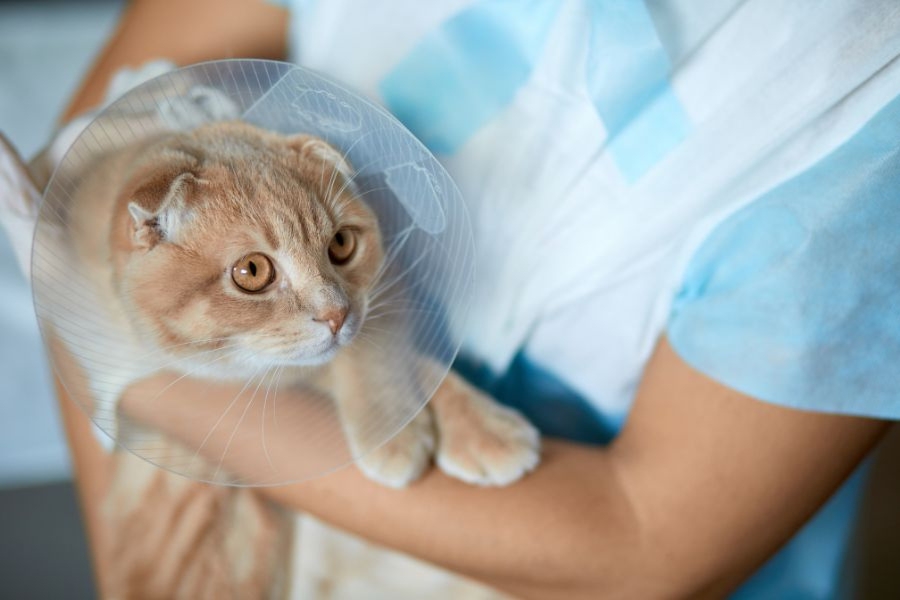
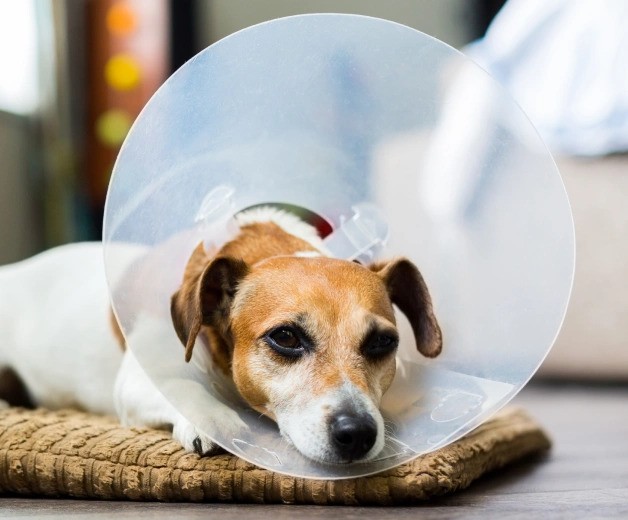
Dogs instinctively lick wounds, which can interfere with healing and introduce bacteria. Protective measures such as an Elizabethan collar (cone) or a recovery suit are often recommended.
While initially uncomfortable, these tools safeguard the surgical site. Supervision alone is rarely sufficient to prevent licking. Using recommended protective gear ensures stitches remain intact and healing progresses smoothly.
Step 6: Manage Activity Levels
Rest is critical for recovery. Many dogs regain energy quickly and may attempt to jump, run, or play before the incision fully heals.
Limit activity according to your veterinarian’s instructions. Restrict access to stairs or high surfaces, and prevent rough play or running. In some cases, short-term confinement in a crate or small room is necessary to protect internal and external surgical sites.
Step 7: Adjust Feeding and Hydration
Surgery can temporarily reduce appetite. Offer small, easily digestible meals while monitoring your dog’s interest in food. Fresh water should always be accessible.
If your dog refuses to eat, vomits, or shows signs of dehydration, contact your veterinarian. Proper nutrition and hydration are critical for tissue repair and energy during the healing period.
Step 8: Maintain Clean and Accessible Bathroom Areas
For dogs recovering from abdominal or urinary surgeries, keeping the bathroom area close and clean is essential. Low-dust litter or easy-to-access potty spots reduce stress and encourage regular elimination.
Monitoring urination and bowel movements also helps detect complications early, such as constipation, discomfort, or urinary issues.
Step 9: Provide Emotional Support and Routine
Dogs benefit from consistency. Maintain familiar routines for feeding, gentle handling, and play. Calm reassurance, quiet interaction, and slow movements help reduce anxiety and improve recovery outcomes.
Your presence, patience, and positive reinforcement support both emotional and physical healing.
Step 10: Attend Follow-Up Veterinary Appointments
Scheduled follow-up visits allow your veterinarian to assess healing, remove sutures if needed, and address concerns. Even if your dog seems fully recovered, internal healing may still be ongoing.
Never skip these appointments. Professional evaluation ensures recovery is on track and prevents potential setbacks.
Common Recovery Mistakes to Avoid
Even well-intentioned pet parents sometimes make mistakes that can delay healing:
- Allowing unrestricted activity too soon
- Skipping or altering medication schedules
- Ignoring subtle changes at the incision site
- Removing protective collars early
- Delaying veterinary contact when complications arise
By avoiding these errors, you give your dog the best chance for a smooth, healthy recovery after surgery.
Helping your dog recover from surgery requires patience, careful observation, and consistent care. By following a structured plan and adhering to veterinary instructions, you can significantly improve your dog’s comfort, safety, and overall recovery outcomes.
If you are in Weaverville, NC and need guidance related to dog surgery, book an appointment with Broad River Animal Hospital. Our experienced team is here to support your dog’s recovery every step of the way.
FAQs
Q1. How long does it take for a dog to fully recover from surgery?
Ans: Recovery time depends on the type of surgery, but most dogs heal externally within 10-14 days. Internal healing may continue for several weeks, so follow your veterinarian’s guidance closely.
Q2. Is it normal for my dog to sleep more after surgery?
Ans: Yes. Extra sleep is common because anesthesia and physical stress tire your dog. Gradually, energy levels return as they heal.
Q3. When can my dog start playing or exercising again?
Ans: Activity restrictions vary depending on the surgery. Always follow your vet’s instructions before allowing running, jumping, or rough play to prevent injury.
Q4. What should I do if my dog refuses to take medication?
Ans: Don’t force it. Contact your veterinarian—they may provide alternative forms like flavored chews, liquid medication, or injections to ensure proper dosing.
Q5. How should I care for the surgical incision at home?
Ans: Only clean the incision if your vet instructs you to do so. Improper cleaning can introduce infection or slow healing. Monitor for redness, swelling, or discharge.
Q6. When should I call the veterinarian during recovery?
Ans: Contact your vet immediately if you notice swelling, bleeding, foul odor, changes in behavior, loss of appetite, vomiting, or refusal to drink water lasting more than 24 hours. Early intervention can prevent complications.
Related Articles