

Spaying is a common and important procedure for female cats. It involves the removal of the ovaries and uterus, which helps prevent unwanted pregnancies, certain health issues, and behavioral problems. But, as with any surgery, one of the main concerns for pet owners is how long it will take for their feline companion to recover. Understanding the recovery timeline and knowing how to care for your cat during this time can help ensure a smooth and healthy recovery.
Understanding the Spaying Procedure for Cats
Before diving into the recovery process, it’s important to understand what happens during the spaying procedure. Spaying, also known as ovariohysterectomy, is a routine surgery that involves removing the ovaries and uterus of a female cat. This surgery is typically performed under general anesthesia, and most cats are able to go home the same day as the procedure. While the procedure itself is relatively simple and low-risk, the recovery period requires attention and care to help your cat heal properly.
Immediate Post-Op Care: The First Few Hours
Immediately after the spaying procedure, your cat will need to be monitored while she wakes up from anesthesia. During the first few hours, she may be groggy, disoriented, and unsteady on her feet. It’s essential to keep your cat in a quiet, warm space, away from other pets or children, so she can rest and recover from the effects of the anesthesia. You should also ensure she has access to fresh water and a comfortable, safe area to recover in.
The First Week: Monitoring for Signs of Complications
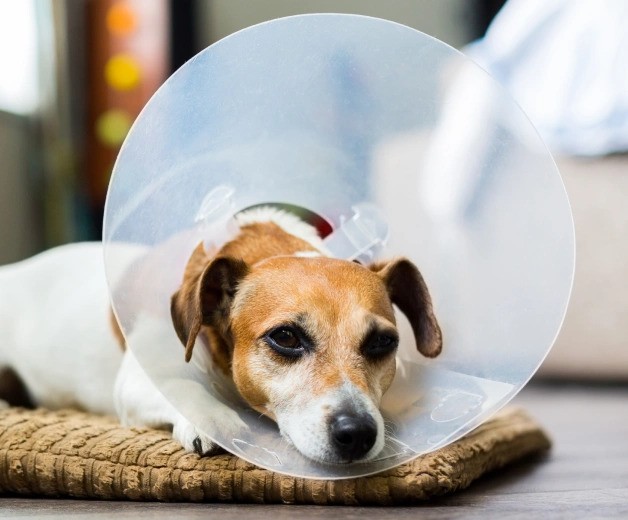
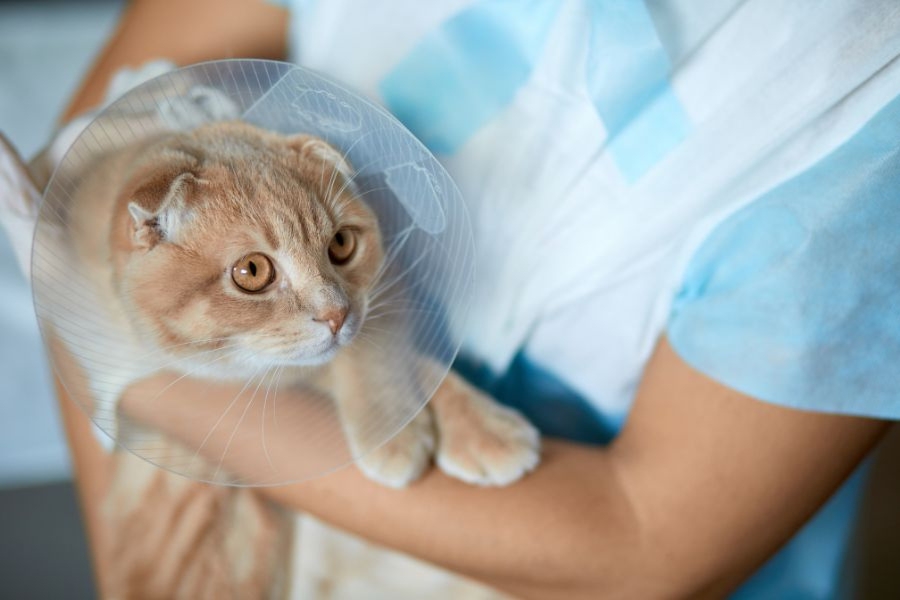
During the first week of recovery, your cat will need rest and limited physical activity to avoid complications such as opening the surgical site or infection. Your vet will likely provide you with an e-collar (cone) to prevent your cat from licking the incision area. It’s also important to keep an eye out for any signs of infection, such as swelling, redness, or discharge at the incision site. Additionally, if your cat is showing signs of pain, such as vocalizing, limping, or a lack of appetite, contact your vet for further guidance.
Two Weeks Post-Surgery: Gradual Return to Normal Activity
After the first week, your cat will begin to feel more like herself. At this stage, she may regain her appetite and become more active. However, it’s still important to restrict her movement to prevent any strain on the incision site. Avoid letting your cat jump, run, or engage in rough play for at least two weeks after the procedure. During this time, follow up with your veterinarian for any necessary check-ups to ensure the incision is healing well and that there are no signs of complications.
Three to Four Weeks Post-Surgery: Full Recovery
By the third or fourth week, your cat should be fully recovered from the spaying surgery. The incision should be completely healed, and most cats are back to their normal energy levels and behaviors. However, each cat is different, and the healing process can vary depending on factors such as age, overall health, and the care she receives post-surgery. Be sure to continue monitoring for any unusual signs, and schedule a follow-up appointment with your veterinarian if you have any concerns.
In conclusion, the recovery time for a female cat after spaying typically takes about two to three weeks, with most cats fully recovering within a month. By following proper post-op care guidelines, such as limiting activity, monitoring the incision site, and providing a calm environment, you can help ensure a smooth and speedy recovery. If you’re in need of cat surgery in Weaverville, NC, Broad River Animal Hospital is here to provide expert surgical care and support for your cat’s health and well-being. Contact us today to ensure your cat receives the best care possible during their recovery.
FAQs
Q1. How long will my cat be in pain after being spayed?
Ans. Pain after spaying typically lasts for a few days to a week. Your vet may prescribe pain medication to keep your cat comfortable during the recovery period.
Q2. Can I bathe my cat after spaying?
Ans. It’s best to avoid bathing your cat for at least two weeks after spaying to prevent infection at the incision site.
Q3. When can my cat resume normal activities after spaying?
Ans. After two weeks, your cat may begin to return to her normal activities, but it’s important to avoid strenuous play or jumping until she is fully healed.
Q4. What should I do if my cat is licking her incision?
Ans. If your cat is licking her incision, it’s important to use an e-collar (cone) to prevent further irritation or infection at the surgical site.
Q5. How can I tell if my cat’s incision is infected?
Ans. Signs of infection include redness, swelling, discharge, or a foul odor from the incision site. If you notice these symptoms, contact your vet immediately.
Q6. Should I take my cat back to the vet after surgery?
Ans. Yes, follow-up appointments are important to ensure proper healing and check for any complications. Your vet may also remove any sutures during this visit.