

As a pet owner, ensuring your pet’s health and well-being is always a top priority. While regular check-ups and monitoring your pet’s behavior can offer some insight, sometimes it’s necessary to dive deeper to uncover hidden health issues. This is where diagnostic imaging comes into play. Diagnostic imaging allows veterinarians to take a closer look at your pet’s internal health, providing crucial information that cannot be gathered through a simple physical exam alone. At Broad River Animal Hospital in Weaverville, NC, we use advanced imaging technologies to offer accurate diagnoses and tailored treatment plans to our furry patients.
In this blog, we will explore how diagnostic imaging can help in identifying pet health problems and why it’s an essential tool in veterinary care.
What Is Diagnostic Imaging?
Diagnostic imaging involves using various technologies to create visual representations of the internal structures of a pet’s body. The most common forms of diagnostic imaging include:
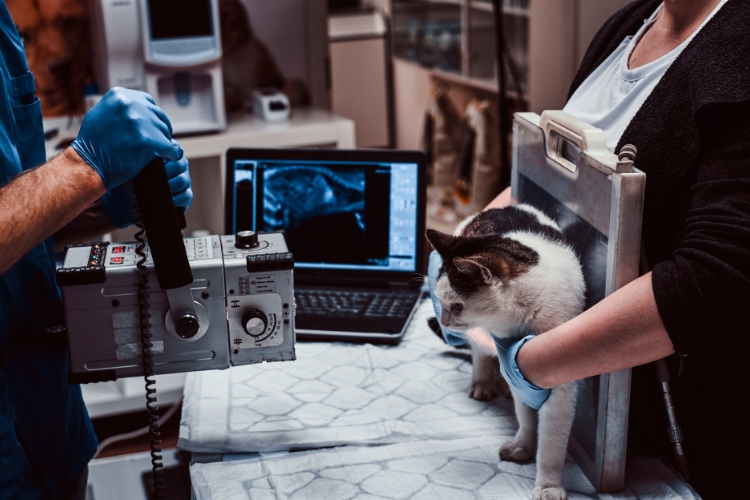
- X-rays (Radiographs): X-rays are one of the most widely used diagnostic tools. They help veterinarians visualize bones, joints, and some soft tissues. This imaging technique is essential for diagnosing broken bones, fractures, joint problems, or issues related to the heart and lungs.
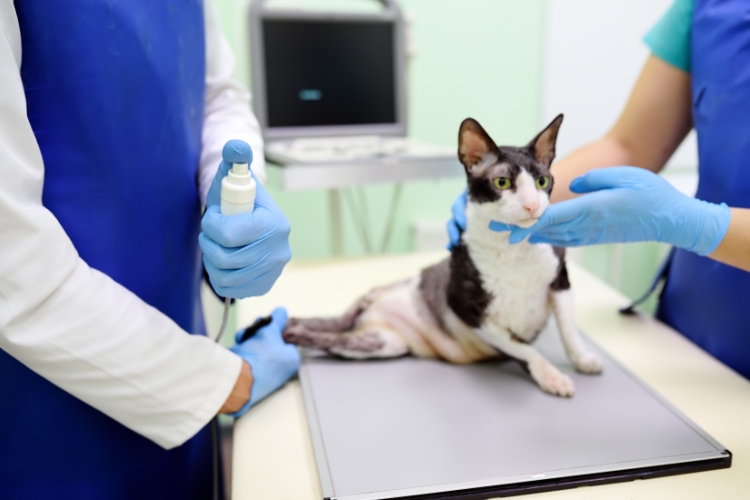
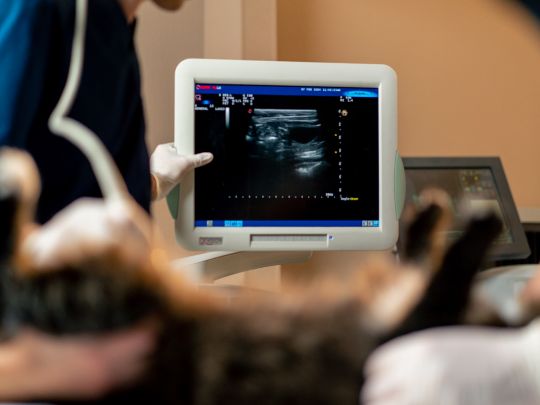
- Ultrasound: Unlike X-rays, ultrasound uses sound waves to produce images of internal organs like the liver, kidneys, heart, and bladder. It is particularly useful for examining soft tissues and detecting conditions like tumors, organ diseases, or pregnancy in pets.
- CT Scans (Computed Tomography): CT scans offer more detailed images than traditional X-rays. They create cross-sectional images of the body, which can help identify conditions like cancer, infections, or abnormalities in internal organs.
- MRI (Magnetic Resonance Imaging): MRI is often used to evaluate soft tissues and the nervous system. It is particularly beneficial for diagnosing neurological disorders, brain conditions, and joint or spinal issues.
Each type of imaging tool serves a specific purpose, and the choice of which one to use depends on the symptoms and health concerns your pet is facing.
How Diagnostic Imaging Helps in Identifying Health Problems
Diagnostic imaging plays a significant role in identifying pet health problems early, allowing for timely intervention and effective treatment. Here’s how it helps:
1. Early Detection of Health Issues
Many pet health problems, such as tumors or internal injuries, may not show symptoms until they reach an advanced stage. Through diagnostic imaging, veterinarians can detect these issues much earlier. Early detection means more treatment options and a better prognosis for your pet. For instance, an ultrasound can identify kidney stones or bladder infections before they cause pain or discomfort.
2. Precise Diagnosis
Sometimes symptoms like lethargy, vomiting, or lack of appetite are vague and can point to a variety of conditions. Diagnostic imaging allows veterinarians to pinpoint the exact cause of the symptoms. For example, an X-ray may reveal a foreign object lodged in the stomach, or an MRI may help diagnose a neurological disorder that affects mobility.
3. Monitoring Treatment Progress
Once a diagnosis is made and treatment begins, diagnostic imaging also helps track progress. It allows veterinarians to monitor changes in the affected areas, ensuring that the treatment is working and making adjustments if necessary. For example, after surgery to remove a tumor, follow-up X-rays can help confirm if the growth has been fully removed.
4. Planning Surgeries and Other Interventions
In cases where surgery is necessary, diagnostic imaging provides a clear roadmap. Knowing the exact size, shape, and location of the issue ensures that the veterinarian performs the procedure with precision, minimizing risk and promoting faster recovery. Whether it’s for joint surgery, tumor removal, or a dental procedure, diagnostic imaging is key to successful outcomes.
5. Non-invasive and Safe
One of the greatest advantages of diagnostic imaging is that it is non-invasive. Unlike traditional surgical methods that involve cutting into the body, imaging technologies provide detailed insights without the need for incisions. This makes it a safer option for pets, especially when dealing with delicate organs or when a pet is older or has underlying health concerns.
Why Diagnostic Imaging is Crucial for Pet Health
Diagnostic imaging gives veterinarians the ability to make more accurate and informed decisions, ensuring that pets receive the best possible care. Here’s why it’s crucial:
- Faster Diagnosis: Diagnostic imaging allows for quick identification of problems, which reduces waiting times for both you and your pet.
- Improved Treatment Plans: With clear images, veterinarians can develop more effective and targeted treatment plans based on the specific condition.
- Comprehensive Care: Combining diagnostic imaging with other tests and exams provides a holistic view of your pet’s health, allowing for comprehensive care that addresses all concerns.
At Broad River Animal Hospital, we are committed to providing comprehensive pet diagnostic care in Weaverville, NC, to ensure your pet’s health and well-being. By utilizing advanced diagnostic imaging, we can accurately diagnose and effectively treat a wide range of conditions, from joint issues to internal diseases. Early detection through imaging allows us to tailor the best treatment plan for your furry companion, giving them the best chance at a healthy, happy life. If you have concerns about your pet’s health, don’t hesitate to contact us today. Our team is here to provide the care your pet deserves with the latest diagnostic tools available.
FAQs
Q1. What is the difference between an X-ray and an ultrasound?
Ans. An X-ray uses radiation to create images of bones and some soft tissues, while an ultrasound uses sound waves to visualize soft tissues and organs like the liver, kidneys, and heart.
Q2. Can diagnostic imaging detect cancer in pets?
Ans. Yes, diagnostic imaging such as X-rays, CT scans, and ultrasounds can help detect tumors or cancerous growths, allowing for early intervention.
Q3. How often should my pet get diagnostic imaging?
Ans. The need for diagnostic imaging depends on your pet’s age, health condition, and any symptoms they are exhibiting. Your veterinarian will recommend imaging if necessary.
Q4. Is diagnostic imaging safe for pets?
Ans. Yes, diagnostic imaging is generally safe for pets. While X-rays involve radiation, the amount is minimal and not harmful when used appropriately. Ultrasound and MRI are entirely non-invasive and safe.
Q5. How long does a diagnostic imaging procedure take?
Ans. The duration varies depending on the type of imaging. An X-ray typically takes a few minutes, while an ultrasound or MRI may take 30 minutes to an hour, depending on the complexity.
Q6. Is sedation required for diagnostic imaging?
Ans. In most cases, pets do not require sedation for diagnostic imaging, although it may be necessary for procedures like MRI to keep your pet still.