

Cats are masters at hiding discomfort. Even when they feel pain, they often continue eating, playing, and resting without obvious signs. However, dental disease remains one of the most common and overlooked health issues in felines. If left untreated, oral problems can cause significant pain and even affect vital organs.
As a responsible pet owner, prioritizing your cat’s oral hygiene is not optional—it is essential. Dental disease develops gradually, beginning with plaque buildup and progressing into serious infections. Therefore, early prevention and regular veterinary evaluations are critical.
For pet families in Weaverville, NC, ensuring your cat receives consistent preventive care helps protect their comfort and longevity. Understanding how oral health connects to overall wellness empowers you to make informed decisions for your feline companion.
Understanding Dental Disease in Cats
Dental disease typically begins with plaque, a sticky film of bacteria that forms on the teeth. Over time, plaque hardens into tartar. As tartar accumulates, it irritates the gums and causes inflammation known as gingivitis.
If untreated, gingivitis can advance to periodontal disease. At this stage, bacteria spread below the gumline and damage the supporting structures of the teeth. Consequently, cats may experience tooth loss, severe pain, and infection.
Moreover, oral bacteria can enter the bloodstream. When this happens, the heart, liver, and kidneys may become affected. As a result, dental disease becomes more than a mouth problem—it becomes a systemic health concern.
This is precisely why cat dental care should be a consistent part of your preventive health routine.
Common Signs of Dental Problems
Because cats instinctively hide pain, early symptoms often go unnoticed. Nevertheless, certain warning signs should prompt immediate attention.
For example, persistent bad breath is frequently the first indicator of dental trouble. Additionally, your cat may:
- Drop food while eating
- Chew on one side of the mouth
- Paw at the face
- Show red or bleeding gums
- Exhibit decreased grooming habits
Behavioral changes may also appear. A once-social cat may become withdrawn or irritable. If you observe any of these signs, schedule a veterinary exam promptly.
How Oral Health Impacts Overall Wellness
Healthy teeth allow your cat to chew comfortably and absorb proper nutrition. However, when dental pain interferes with eating, weight loss and nutrient deficiencies may develop.
Furthermore, chronic oral infections place stress on the immune system. As bacteria circulate, they may damage internal organs over time. Therefore, protecting oral health directly supports long-term vitality.
By investing in preventive dental care, you are actively safeguarding your cat’s whole-body health.
At-Home Dental Maintenance
Professional cleanings remain essential. However, daily care at home significantly reduces plaque buildup.
1. Brushing Your Cat’s Teeth
Brushing is the most effective preventive method. Use a veterinarian-approved toothbrush and toothpaste specifically designed for cats. Never use human toothpaste.
Start gradually. Allow your cat to sniff the brush, then gently introduce short brushing sessions. Reward calm behavior to build positive associations.
2. Dental Diets and Treats
Specially formulated dental diets and treats help reduce plaque mechanically as your cat chews. Although helpful, they should supplement brushing—not replace it.
3. Regular Monitoring
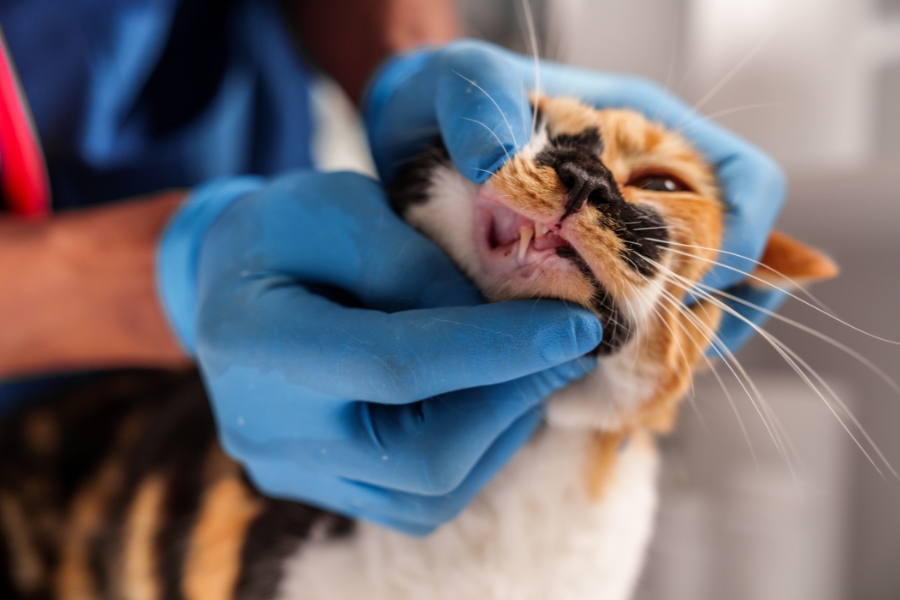
Lift your cat’s lips periodically to check for redness, swelling, or discoloration. Early detection simplifies treatment.
Together, these habits support consistent cat dental care and reduce long-term complications.
Professional Dental Cleanings: What to Expect
Even diligent brushing cannot remove tartar below the gumline. Therefore, professional cleanings under anesthesia remain necessary.
During the procedure, your veterinarian:
- Performs a comprehensive oral exam
- Takes dental X-rays
- Removes plaque and tartar
- Evaluates tooth roots
- Extracts severely damaged teeth if needed
Modern anesthesia protocols prioritize safety through monitoring and individualized dosing. Ultimately, professional cleanings relieve hidden pain and prevent systemic infection.
How Often Should Cats Receive Dental Exams?
Most cats benefit from annual dental evaluations. However, some breeds and senior cats may require more frequent monitoring.
During routine wellness visits, your veterinarian assesses gum health and recommends appropriate cleaning intervals. Proactive scheduling prevents minor concerns from escalating.
The Importance of Preventive Veterinary Care
Preventive medicine saves both discomfort and expense. When dental disease is identified early, treatment is less invasive and more effective.
In addition, routine exams provide opportunities to discuss diet, behavior, and long-term wellness strategies. Establishing a relationship with a trusted veterinary team ensures consistent guidance throughout your cat’s life.
At Broad River Animal Hospital, we emphasize comprehensive preventive care tailored to each feline patient.
Local Considerations for Pet Owners
Mountain climates and seasonal humidity changes can sometimes influence oral bacteria growth. Therefore, maintaining consistent hygiene routines becomes especially important for local pet families.
Additionally, lifestyle factors—such as indoor versus outdoor exposure—may affect oral health risks. Discussing your cat’s daily habits during veterinary visits helps personalize recommendations.
For families seeking reliable veterinary guidance, consistent monitoring ensures early intervention and peace of mind.
Long-Term Benefits of Dental Prevention
When you prioritize oral hygiene, your cat benefits from:
- Reduced pain and inflammation
- Improved appetite
- Better immune support
- Lower risk of systemic disease
- Enhanced quality of life
Moreover, preventive action fosters comfort during every life stage—from playful kittenhood to graceful senior years.
Dental health plays a critical role in your cat’s overall wellness. From preventing gum inflammation to protecting internal organs, proper oral care supports longevity and daily comfort.
By combining at-home maintenance with professional cleanings, you create a strong defense against painful dental disease. Early intervention and routine monitoring make all the difference.
If you are in Weaverville and looking for a cat dental care, book an appointment with Broad River Animal Hospital. Our veterinary team is dedicated to protecting your cat’s smile and ensuring long-term health and comfort.
Frequently Asked Questions
Q1. Why is dental care important for cats?
Ans. Dental health prevents pain, infection, and systemic disease. Untreated oral bacteria can affect vital organs and reduce lifespan.
Q2. What are early signs of dental disease in cats?
Ans. Common early signs include bad breath, red gums, drooling, difficulty chewing, and subtle behavioral changes.
Q3. How often should my cat have a dental exam?
Ans. Most cats should have a dental evaluation at least once a year during routine wellness visits.
Q4. Is anesthesia safe for dental cleanings?
Ans. Yes. Modern veterinary anesthesia protocols include careful monitoring to ensure safety during dental procedures.
Q5. Can I brush my cat’s teeth at home?
Ans. Yes. Use cat-specific toothpaste and introduce brushing gradually to create a positive experience.
Q6. Does dental disease affect other organs?
Ans. Yes. Oral bacteria can enter the bloodstream and impact the heart, liver, and kidneys if left untreated.