

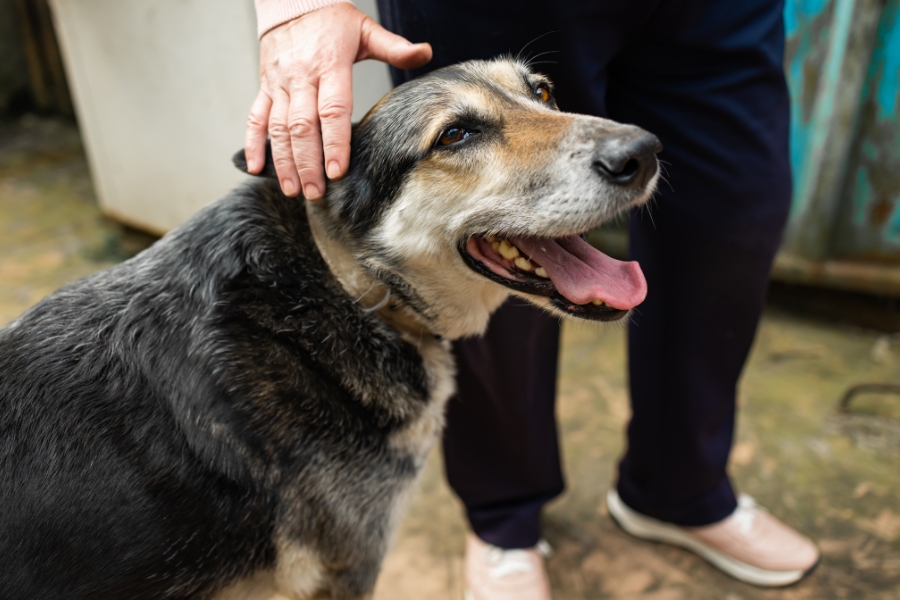
As dogs grow older, their needs naturally change. They may slow down, sleep more, or struggle with mobility. Nevertheless, aging does not mean losing joy. With the right approach, you can help your dog stay comfortable, active, and emotionally fulfilled throughout their golden years.
Caring for an aging pet requires thoughtful adjustments in diet, exercise, medical monitoring, and home comfort. Moreover, early support often prevents small issues from becoming serious health problems.
For families in Weaverville, NC, who cherish outdoor walks, seasonal changes, and close-knit community living, adapting routines to support an aging dog becomes especially important. Fortunately, with proper planning and guidance, you can significantly enhance your companion’s daily comfort and happiness.
In this guide, we will explore practical, veterinarian-approved strategies to improve your senior dog’s overall well-being while maintaining a strong bond.
1. Adjust Nutrition for Aging Needs
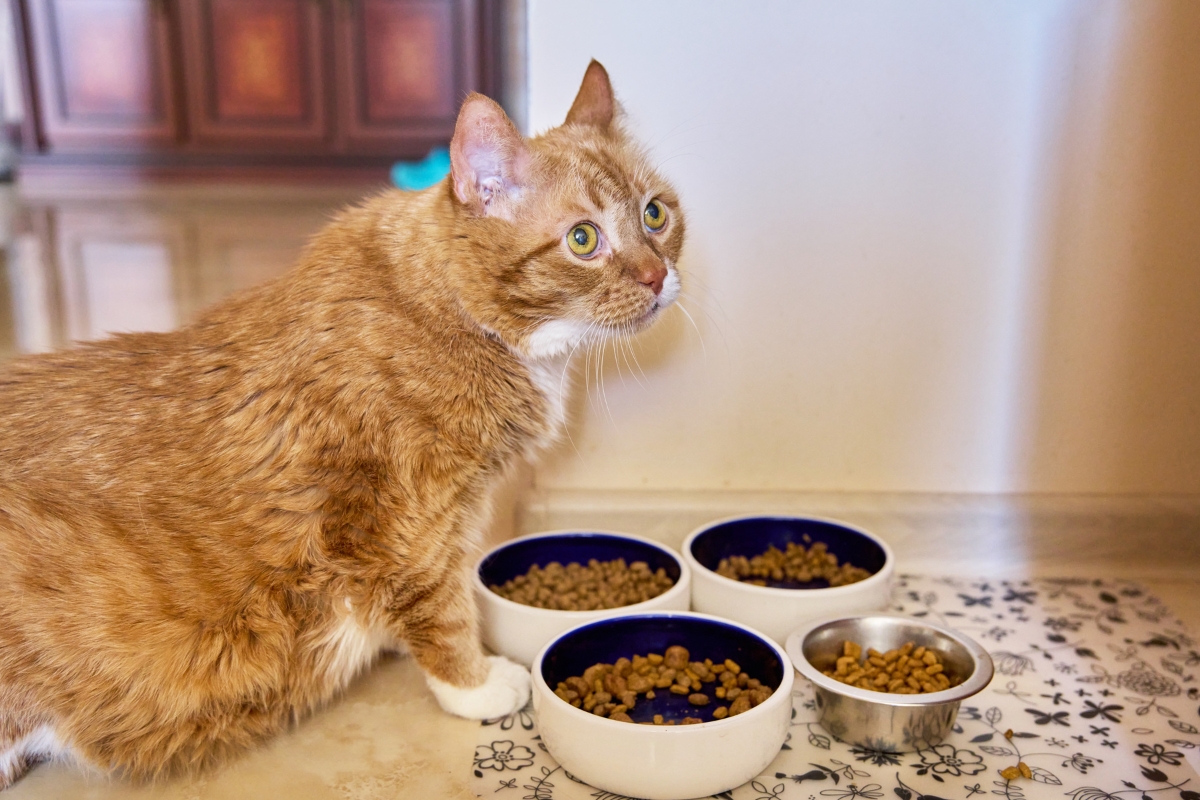
Nutrition plays a critical role in healthy aging. As metabolism slows, older dogs require fewer calories but higher-quality nutrients. Therefore, switching to age-appropriate food becomes essential.
Look for senior formulas that include:
- High-quality protein for lean muscle maintenance
- Glucosamine and chondroitin for joint support
- Antioxidants to strengthen immune function
- Fiber for digestive balance
Additionally, monitor portion sizes carefully. Weight gain increases strain on joints, while weight loss may signal underlying disease.
Fresh water should always remain accessible. Hydration supports kidney function and overall vitality.
When you prioritize balanced nutrition, you create a strong foundation for effective senior dog care routines.
2. Encourage Gentle, Consistent Exercise
Although your dog may no longer sprint across the yard, movement remains essential. Regular, low-impact exercise improves circulation, maintains flexibility, and reduces stiffness.
Consider:
- Short daily walks
- Controlled indoor play
- Swimming for joint-friendly movement
- Mental enrichment games
However, observe closely. If your dog limps, pants excessively, or struggles to rise afterward, reduce intensity. Consistency matters more than duration.
In mountain communities where seasonal weather shifts occur, adjust outdoor activity based on temperature. Cold weather can worsen joint stiffness, while heat may increase fatigue.
3. Schedule Regular Veterinary Checkups
Routine exams become even more important as dogs age. Instead of annual visits, most veterinarians recommend wellness exams every six months.
During these appointments, your veterinarian may:
- Screen for arthritis, diabetes, or kidney disease
- Perform bloodwork
- Assess dental health
- Adjust medications or supplements
Early detection significantly improves treatment outcomes. Moreover, proactive monitoring supports long-term comfort.
At Broad River Animal Hospital, preventive evaluations help aging dogs maintain strength and stability through each life stage.
4. Improve Home Comfort and Accessibility
Small home adjustments can dramatically improve mobility and safety.
Consider adding:
- Orthopedic beds for joint cushioning
- Ramps instead of stairs
- Non-slip rugs on hardwood floors
- Raised food and water bowls
Furthermore, keep sleeping areas warm and draft-free. Older dogs regulate body temperature less efficiently.
These environmental modifications reduce strain and prevent injury. Consequently, your dog feels more secure navigating daily routines.
5. Prioritize Dental Health
Dental disease often goes unnoticed in older dogs. However, untreated gum infections can lead to systemic illness affecting the heart and kidneys.
To maintain oral health:
- Brush teeth regularly using pet-safe toothpaste
- Provide veterinarian-approved dental chews
- Schedule professional cleanings
Healthy teeth improve appetite, comfort, and energy levels. Therefore, dental care remains an essential component of long-term wellness.
6. Watch for Behavioral Changes
Aging may bring subtle behavioral shifts. For instance, your dog might:
- Become more anxious
- Seem confused
- Sleep at unusual times
- Withdraw from interaction
These changes could indicate cognitive decline, sensory loss, or chronic pain.
Instead of dismissing symptoms as “normal aging,” consult your veterinarian. Early intervention may include supplements, medications, or environmental changes that enhance comfort.
7. Manage Joint Health and Arthritis
Arthritis is one of the most common concerns in aging dogs. Stiffness, difficulty rising, or reluctance to jump often signal joint discomfort.
To help:
- Maintain a healthy weight
- Provide joint-support supplements
- Use anti-inflammatory medications if prescribed
- Explore therapeutic options such as laser therapy
Proactive joint management dramatically improves mobility and overall happiness.
8. Maintain a Predictable Routine
Dogs thrive on structure. As cognitive function changes, predictable routines reduce anxiety.
Feed, walk, and rest at consistent times daily. Familiar schedules provide reassurance and stability.
Additionally, continue social interaction. Gentle affection and companionship support emotional health just as much as physical wellness.
9. Support Mental Stimulation
Mental enrichment keeps the brain active. Even aging dogs benefit from simple training refreshers or puzzle toys.
Short sessions reinforce engagement without causing fatigue. Consequently, your dog remains alert and responsive.
10. Show Patience and Compassion
Above all, aging dogs need patience. They may move slower or require assistance. However, their loyalty and love remain unchanged.
Offer reassurance during difficult moments. Celebrate small victories. Your compassion profoundly shapes their final years.
By integrating thoughtful adjustments and consistent veterinary guidance, you enhance both longevity and quality of life.
Why Proactive Aging Care Matters
Aging does not have to mean decline. With attentive planning, you can prevent discomfort and extend vitality.
When you focus on nutrition, mobility, preventive medicine, and emotional connection, you build a comprehensive wellness strategy. Over time, these efforts significantly improve daily comfort and independence.
Importantly, consistent senior dog care strategies allow you to respond quickly to changes, ensuring your dog receives timely support.
Helping your dog age gracefully requires intention, awareness, and dedication. From balanced nutrition and gentle exercise to regular veterinary checkups and home adjustments, every small action contributes to long-term comfort.
Your senior companion has spent years offering loyalty and joy. Now, you have the opportunity to return that devotion with attentive care and compassion.
If you are in Weaverville and looking for a senior dog care, book an appointment with Broad River Animal Hospital. Our veterinary team is committed to helping your aging dog stay comfortable, active, and happy throughout their golden years.
FAQs
Q1. What are the most common health problems in senior dogs?
Ans. Senior dogs commonly experience arthritis, dental disease, vision or hearing loss, kidney disease, and diabetes. Regular veterinary checkups help detect these conditions early.
Q2. How can I tell if my senior dog is in pain?
Ans. Signs of pain may include limping, stiffness, reluctance to climb stairs, excessive panting, irritability, or withdrawal. If you notice these symptoms, consult your veterinarian promptly.
Q3. What type of diet is best for an older dog?
Ans. A high-quality senior formula with controlled calories, joint-support nutrients, antioxidants, and digestible protein is ideal. Your vet can recommend the best option for your dog’s specific needs.
Q4. How much exercise does a senior dog need?
Ans. Senior dogs benefit from daily low-impact exercise such as short walks or gentle play. Activity levels should match their comfort and physical ability.
Q5. Should senior dogs have dental cleanings?
Ans. Yes. Dental cleanings help prevent gum disease, tooth loss, and systemic infections. Maintaining oral health significantly improves overall well-being.
Q6. How often should I schedule vet visits for my senior dog?
Ans. Most senior dogs should see their veterinarian every six months. More frequent visits may be necessary if your dog has chronic health conditions.
Related Articles